Ice Machine Service in Orange, CA
Cafes around the Plaza, restaurants at The Block, and care facilities and cafeterias near the medical campuses all depend on ice, but they care about different things. Restaurants want steady output on weekends; care environments want strict cleanliness and traceable records. We tailor sanitation intervals accordingly, paying close attention to water filtration, because Orange's water leaves scale on evaporators quickly. Every visit documents machine condition, cleaning steps, and filter dates, so the administrator or kitchen manager can answer an audit question in minutes, even if staff have changed since the last service.
A mix of medical office, retail plazas, and light-industrial parks near the 22/55/57 interchange.
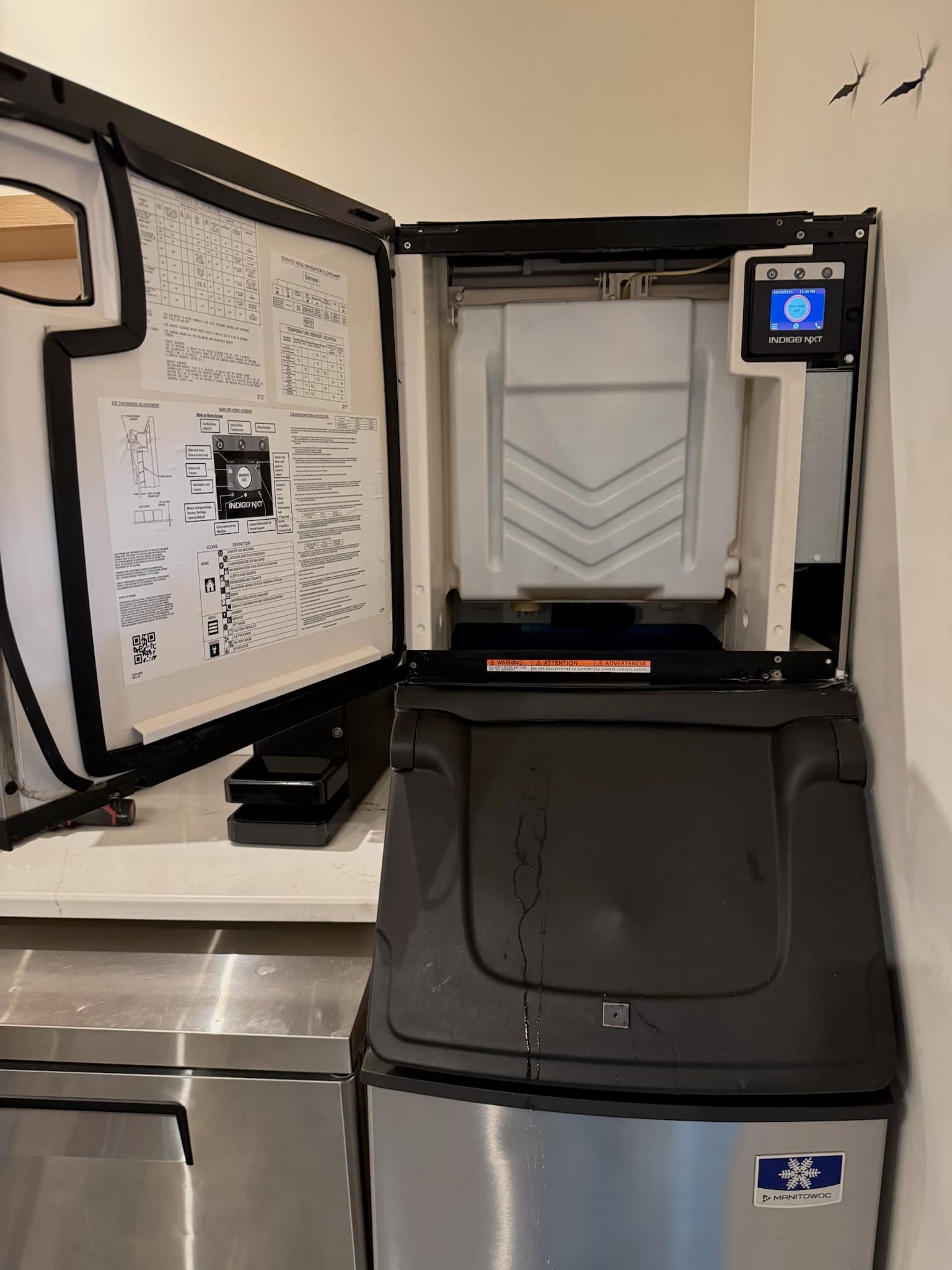
How ice machine service work plays out in Orange
Ice machines in Orange run in restaurants, bars and cafes around the Plaza and the Chapman University area, in hotel and conference food service near the 22 and 57 interchange, in cafeterias and break rooms across the hospital and medical office corridors, and in the kitchens of senior living communities scattered through the city. Each has a different failure story. Old Towne bars fight heat and sugary residue in cramped back bars. Medical facilities need ice for patient care and have infection control standards that treat the machine as a potential contamination source, with cleaning schedules to match. Senior living kitchens run around the clock and cannot afford a machine down over a holiday weekend.
The mechanical realities are the same across the city: scale from moderately hard water, air-cooled heads breathing hot kitchen air, and biofilm in bins and on evaporator plates when cleaning slips. Orange's inland summer afternoons push air-cooled machines to their limits in kitchens without adequate exhaust, and harvest cycles stretch until the machine simply cannot keep up with a dinner rush.
Our program for an Orange kitchen is a fixed cleaning and sanitizing interval with photos of the evaporator and bin before and after, filter changes logged to the asset, and a note on intake air temperature at each visit. When a head is undersized for the operation or placed where it cannot breathe, we say so and lay out the options, including remote-condenser or water-cooled units. See ice machine service and the commercial ice machine guide.
Orange's climate and what it does to this equipment
Orange is inland central basin: hot summer afternoons, moderate humidity, and occasional Santa Ana wind and dust events that load filters and coils.
For the equipment background behind this page, read our commercial ice machine guide or the full Ice Machines — Service & Sanitation service page.
- Old Towne OrangeHistoric-building restaurants and shops with older, often space-constrained mechanical installations.
- Medical corridors near hospital campusesMedical office buildings with temperature-critical rooms and storage.
- The Block and retail plazasLarge retail and restaurant tenants with heavy RTU and refrigeration loads.
- Light-industrial parks near the 55/57Warehouses and flex space with large rooftop units and heaters.
- Scale removal, deep sanitation, and filter change-out programs
- Bin sensors, harvest cycles, pumps, and valves checked
- OEM-spec readings taken against manufacturer PM intervals
- DaVinci Portal: photo-logged cleanings and reminder scheduling
What a ice machine service visit includes, and the problems we most often find
- Check ice quality, production rate, and bin sensor operation
- Full descale of water lines and evaporator plate
- Sanitize all food-contact surfaces per manufacturer spec
- Inspect water filtration and replace if due
- Photo-document the cleaning for your compliance records
- Scale buildup from hard water slowing production and clouding ice
- Bin sensors misreading and causing over- or under-production
- Water filters overdue for change, affecting both taste and machine health
- Visible slime or mold in the bin — the most common health-inspection flag