Commercial Refrigeration in Costa Mesa, CA
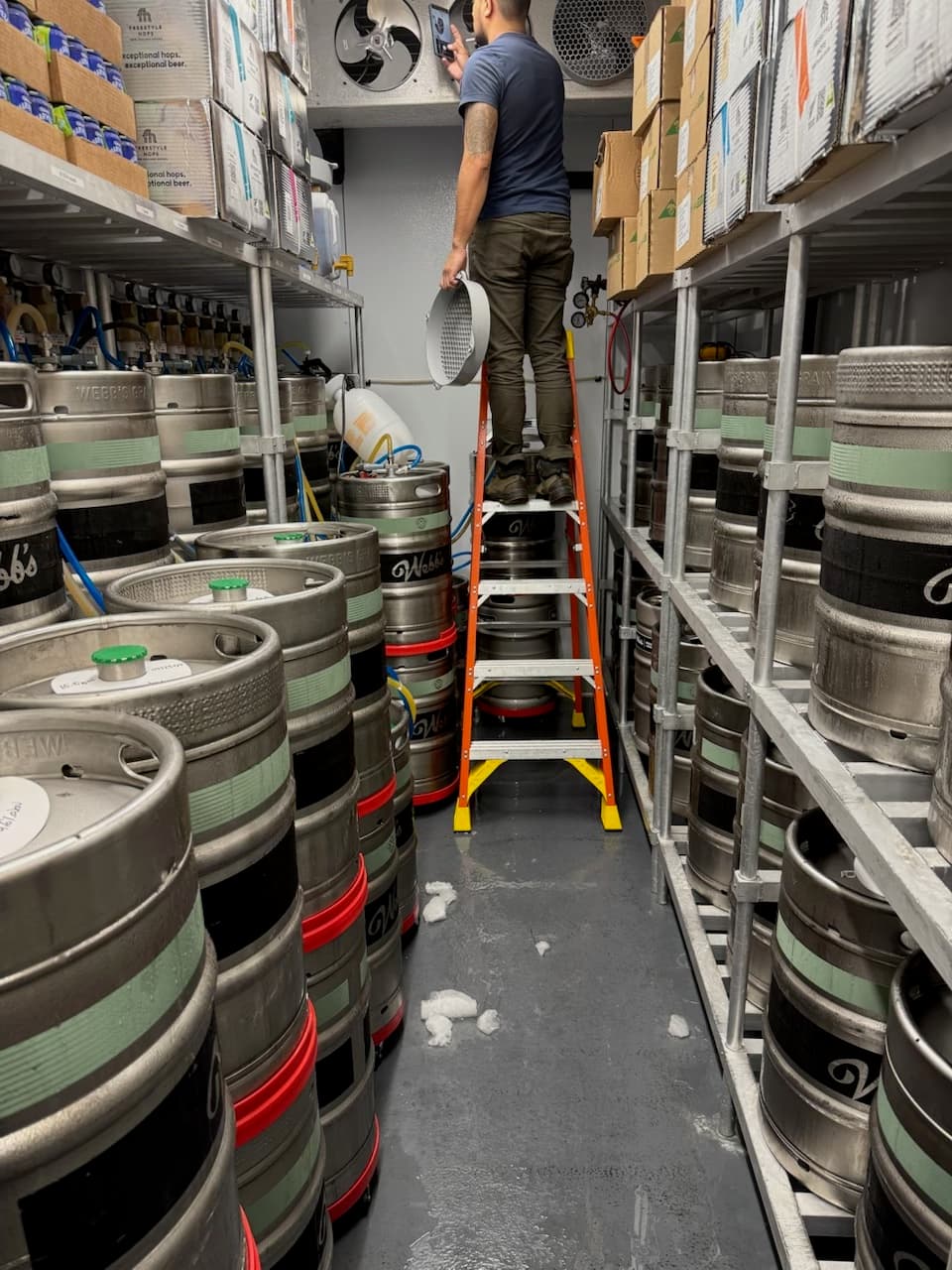
Along Harbor and Newport Boulevards, restaurants have converted retail shells into kitchens, and walk-in boxes often sit in back rooms never intended for refrigeration heat rejection. Condensing units end up in alleys, on roofs near grease exhaust, or inside hot mechanical closets. We trace how heat actually leaves the building, and then address coil cleanliness, ventilation, and clearance. Door gaskets, hinge alignment, and evaporator drains get the same attention as the compressor, because they are usually why the compressor runs constantly. Written notes list each box, setpoint, and corrective step.
Retail-heavy with South Coast Plaza and surrounding restaurant rows — ice machines and kitchen refrigeration see hard use.
How commercial refrigeration work plays out in Costa Mesa
Few Orange County cities have more commercial refrigeration per square mile than Costa Mesa. The restaurant rows along Harbor and Newport Boulevards, the dining concentrated around South Coast Plaza and Metro Pointe, the food halls and specialty markets, hotel kitchens along Bristol and Anton, and the grocers that anchor the neighborhood centers all run walk-in coolers and freezers, reach-ins on the line, and open or closed display cases. Add the bars around Triangle Square and 19th Street and the volume of product under refrigeration in this city on a Friday night is substantial.
What the local environment does to that equipment is specific. The marine layer brings humidity that frosts evaporators faster than inland and makes defrost timing matter more; salt air on the southern side of the city corrodes condenser coil fins and fasteners on roof and alley units; and the sheer traffic through walk-in doors at a busy restaurant wears gaskets and door closers quickly. Condensing units in the alleys behind Newport Boulevard restaurants also deal with grease-laden exhaust from neighboring kitchens that coats coils.
On a service visit we check everything that determines whether the box holds: coil condition, charge against measured superheat and subcooling, defrost cycles, gaskets and door sweeps, evaporator drains, and the condition of the condensing unit's location. Quarterly maintenance for Costa Mesa food tenants focuses on condenser rinsing and corrosion inspection because those are the two things that shorten equipment life here. The walk-in guide and refrigeration systems guide cover what the readings mean; grocers can read more on the grocery and retail page.
Costa Mesa's climate and what it does to this equipment
Costa Mesa gets a mild marine influence, with moderate humidity and some salt air toward the south. Coil rinsing and corrosion checks matter, though less than directly on the coast.
For the equipment background behind this page, read our walk-in cooler and freezer guide or the full Refrigeration: Walk-In & Reach-In Coolers/Freezers service page.
- South Coast Plaza and the TriangleLarge retail, hotel, and restaurant tenants.
- Restaurant rows along Harbor and Newport BoulevardsIndependent and chain restaurants with heavy ice and refrigeration use.
- SoBeCa and the Lab/Camp areasCreative offices and specialty retail in converted buildings.
- Fairview and Placentia industrial areasLight industrial, flex, and warehouse space.
- Evaporator/condenser coil cleaning and defrost checks
- TXV/EEV, superheat, subcool, and pressure readings logged
- Door seals, drains, heaters, and fan packages inspected
- DaVinci Portal: temps and pressures logged by asset over time
What a commercial refrigeration visit includes, and the problems we most often find
- Check current box temperature against setpoint and recent trend
- Inspect door seals, drains, and evaporator/condenser coils for buildup
- Take superheat, subcool, and pressure readings against manufacturer spec
- Address the root cause — not just a temporary recharge
- Log readings to the asset so drift is caught early next visit
- Door seals and hinges that no longer hold a tight close
- Evaporator coils iced over from a defrost cycle issue
- Condenser coils caked with grease or debris, especially near kitchen exhaust
- Slow refrigerant leaks that show up as gradual temperature drift, not sudden failure