Maintenance Plans in Orange, CA
A plan for an Orange medical or professional building usually revolves around the practice's schedule: no loud work during procedures, no shutdowns on clinic days, and quick response when a procedure room loses temperature control. Old Towne restaurants need a different rhythm, with more frequent refrigeration and kitchen equipment visits and attention to grease-laden condensers. We organize each property into assets in the DaVinci Portal, record readings at every visit, and flag deterioration early enough to put replacement in a budget cycle instead of an emergency.
A mix of medical office, retail plazas, and light-industrial parks near the 22/55/57 interchange.
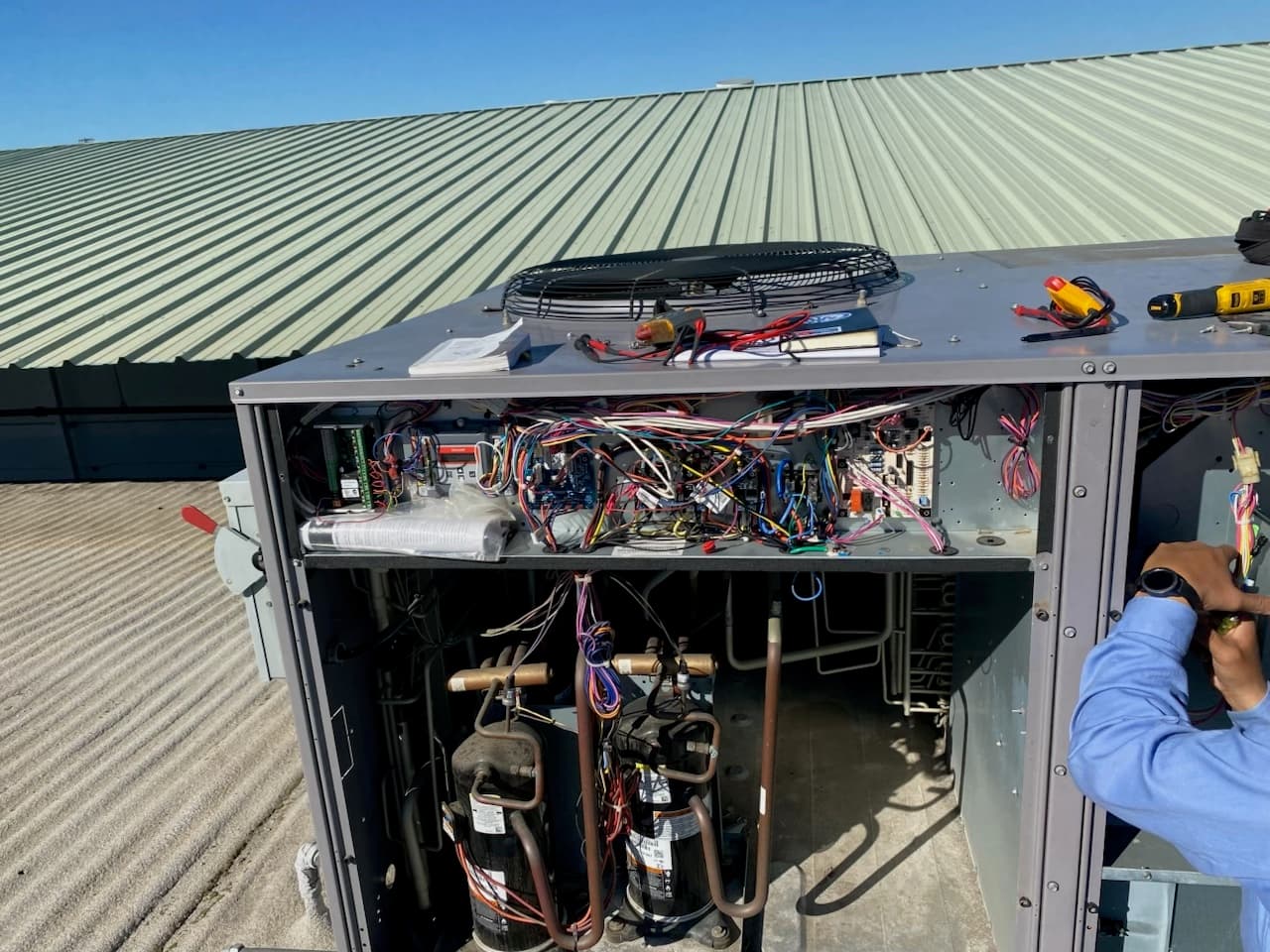
How maintenance plans work plays out in Orange
Medical tenants drive the maintenance conversation in Orange. The concentration of hospitals, medical office buildings, surgery centers, imaging suites and specialty clinics along Main Street, The City Drive, Tustin Street and Chapman Avenue near the hospital campuses means a large share of the city's commercial square footage cannot tolerate an unplanned outage during clinic hours. A maintenance program for those buildings is scheduled around appointment calendars, documented in a way practice managers and property managers can hand to an accreditation reviewer, and built to catch the small failures, a drifting sensor or a weak condenser fan motor, before they become a warm procedure room on a Monday morning.
The rest of the city sorts neatly by load. Old Towne restaurants and the food service around Chapman University need quarterly visits because refrigeration, ice and kitchen ventilation do not forgive long gaps. Retail plazas on Tustin Street and Katella Avenue and the flex and warehouse buildings north of Katella near the 55 and 57 fit bi-annual service timed to the cooling and heating seasons, with dust loading from Santa Ana wind events as the main reason spring and fall coil cleaning matters more here than near the coast. Single-system professional suites and small storefronts fit annual service.
Every program runs on tagged assets in the DaVinci Portal: readings, photos, filter and belt changes, and a running list of what is trending toward failure, so capital planning happens on your calendar. Program structure is at maintenance plans and the local detail at Orange maintenance programs.
Orange's climate and what it does to this equipment
Orange is inland central basin: hot summer afternoons, moderate humidity, and occasional Santa Ana wind and dust events that load filters and coils.
For the equipment background behind this page, read our preventive maintenance program guide or the full Commercial Maintenance Plans service page.
- Old Towne OrangeHistoric-building restaurants and shops with older, often space-constrained mechanical installations.
- Medical corridors near hospital campusesMedical office buildings with temperature-critical rooms and storage.
- The Block and retail plazasLarge retail and restaurant tenants with heavy RTU and refrigeration loads.
- Light-industrial parks near the 55/57Warehouses and flex space with large rooftop units and heaters.
- Free diagnostic on repairs for plan members
- Included labor per tier, with a member rate for anything over
- Photo-logged reports with temps, pressures, and amp draws
- DaVinci Portal included with QR tracking and self-service scheduling
What a maintenance plans visit includes, and the problems we most often find
- Walk every covered asset — RTUs, refrigeration, ice machines, water heaters
- Take and log readings against each unit's history, not a generic checklist
- Flag anything trending toward failure before it becomes a breakdown
- Deliver a photo-logged report after every visit
- Free diagnostic on any repair that comes out of the visit
- Equipment that 'seemed fine' failing without any maintenance history to catch the trend
- Multiple pieces of equipment aging out around the same time with no replacement plan
- Surprise repair costs that a documented PM history would have flagged months earlier
- Multi-location accounts with no consistent record across sites
Maintenance tiers for Orange properties
Medical and professional tenants in Orange usually fit bi-annual plans; restaurants fit quarterly.
See Orange maintenance plans