Ice Machine Service in Oceanside, CA
Harbor restaurants, bars and hotels around downtown Oceanside generate heavy ice demand, particularly on summer weekends and event days. Machines in salt-exposed locations corrode faster, and scale buildup from local water supply degrades output. We provide descaling, sanitizing, filter replacement and sensor checks, and we advise when an aging unit is no longer worth restoring.
A harbor and downtown city on the north coast with hospitals, light-industrial space along the Oceanside Boulevard and Mission Avenue corridors, and an economy shaped by neighboring Camp Pendleton.
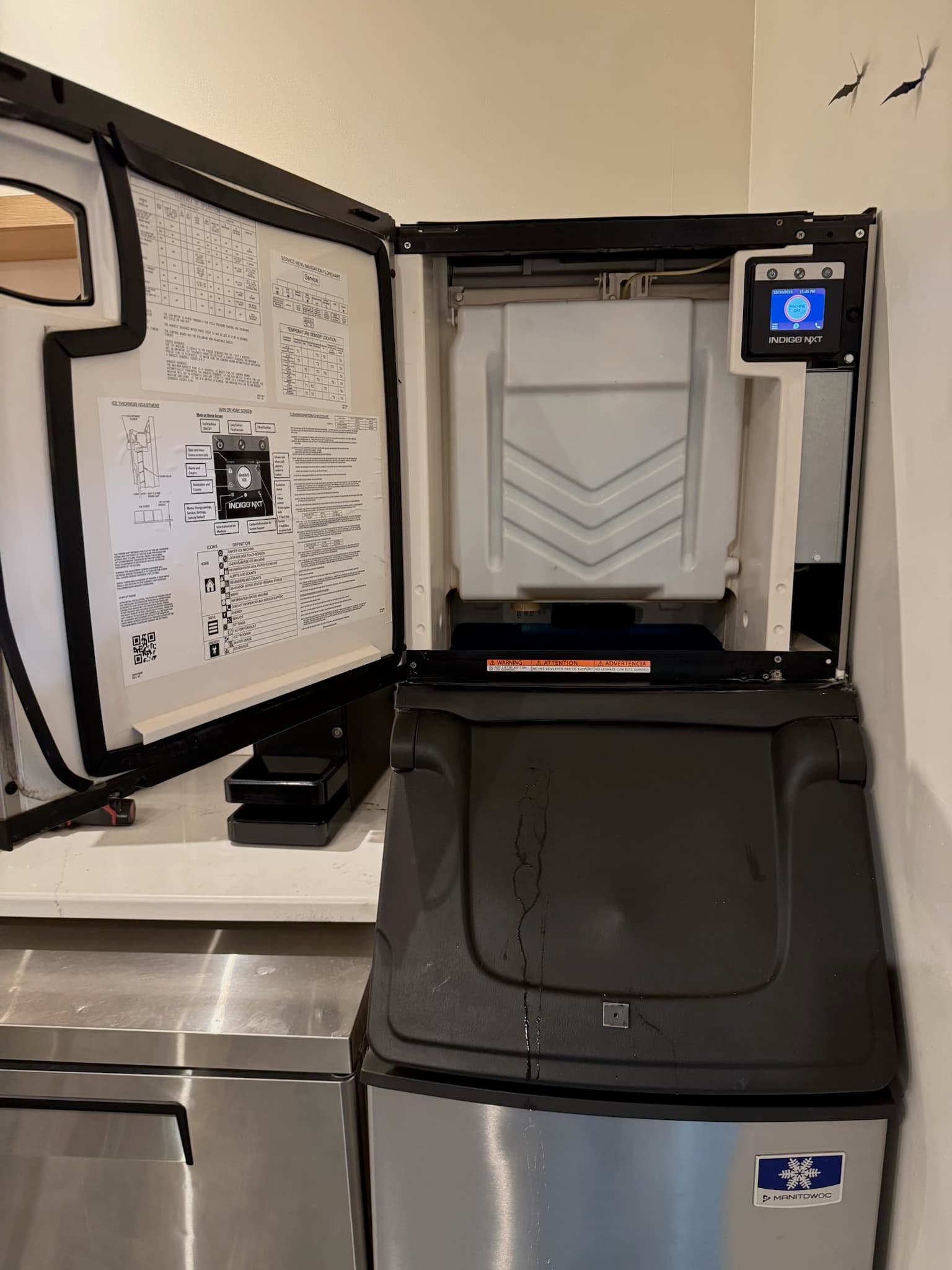
How ice machine service work plays out in Oceanside
Summer weekends on the Oceanside Pier and in the harbor are when an ice machine gets found out. The bars and restaurants near the pier, the harbor restaurants and the hotels along the beachfront all draw hard on ice from Memorial Day through Labor Day, and a machine that was producing at eighty percent in March cannot keep up in July. Most of the ice calls we take in this part of the city are not sudden failures; they are machines that have slowly lost production to scale, a dirty condenser or a water filter long past its change date, and the bin was simply never full enough to notice.
Location is the other story. Many downtown kitchens put the ice machine in a hallway, a storage room or next to the dish machine, where the ambient air is hot and the air-cooled condenser pulls in steam and grease. Near the water, that same condenser also sees salt. A service visit here includes a condenser cleaning, descaling, sanitizing, a water filter and a production check against the nameplate, but it also includes a frank note about whether the location is costing the owner a third of the machine's output.
Oceanside's medical offices, the hospital area and the inland flex buildings have a quieter version of the same equipment: smaller undercounter and dispenser machines in break rooms and patient areas where sanitation matters more than volume. For those we focus on the cleaning and sanitizing interval, scale control and a record that shows the schedule was kept. The commercial ice machine guide walks through what a proper service visit covers.
Oceanside's climate and what it does to this equipment
Oceanside's weather follows the coast: cool, damp mornings under the marine layer, mild afternoons and persistent humidity. Salt carried inland by onshore breezes works on equipment near the harbor and the beach, corroding coils, housings and electrical terminals more quickly than in nearby inland cities. Summers are comfortable by Southern California standards, but the eastern, inland parts of the city can warm noticeably on days when the marine layer retreats. Equipment therefore faces two different problems depending on the street: salt and moisture near the water, and longer, hotter run times farther east.
For the equipment background behind this page, read our commercial ice machine guide or the full Ice Machines — Service & Sanitation service page.
- Downtown and Oceanside HarborRestaurants, hotels and mixed-use buildings near the pier and harbor, where kitchens and rooftop equipment live in salt air and tight service access.
- Oceanside Boulevard and Mission Avenue corridorsShopping centers, professional offices and older retail with aging rooftop units and tenants that change faster than the equipment is updated.
- Rancho del Oro and the inland industrial areasLight-industrial, warehouse and flex buildings serving local trades and distribution, with large open volumes and a mix of heating and cooling needs.
- Medical campusesHospital and medical office buildings that depend on continuous cooling, reliable hot water and documented maintenance records.
- Scale removal, deep sanitation, and filter change-out programs
- Bin sensors, harvest cycles, pumps, and valves checked
- OEM-spec readings taken against manufacturer PM intervals
- DaVinci Portal: photo-logged cleanings and reminder scheduling
What a ice machine service visit includes, and the problems we most often find
- Check ice quality, production rate, and bin sensor operation
- Full descale of water lines and evaporator plate
- Sanitize all food-contact surfaces per manufacturer spec
- Inspect water filtration and replace if due
- Photo-document the cleaning for your compliance records
- Scale buildup from hard water slowing production and clouding ice
- Bin sensors misreading and causing over- or under-production
- Water filters overdue for change, affecting both taste and machine health
- Visible slime or mold in the bin — the most common health-inspection flag