Commercial HVAC Repair in Oceanside, CA
Calls in Oceanside range from harbor-area restaurants with failing refrigeration to inland light-industrial buildings with rooftop units that have run past their expected life. Hospital-adjacent and medical office clients add the need for dependable repair without surprises. We diagnose the system rather than the symptom, whether that means testing refrigerant circuits, checking airflow and electrical components, or tracing controls, and then document the cause and the fix.
A harbor and downtown city on the north coast with hospitals, light-industrial space along the Oceanside Boulevard and Mission Avenue corridors, and an economy shaped by neighboring Camp Pendleton.
How commercial hvac repair work plays out in Oceanside
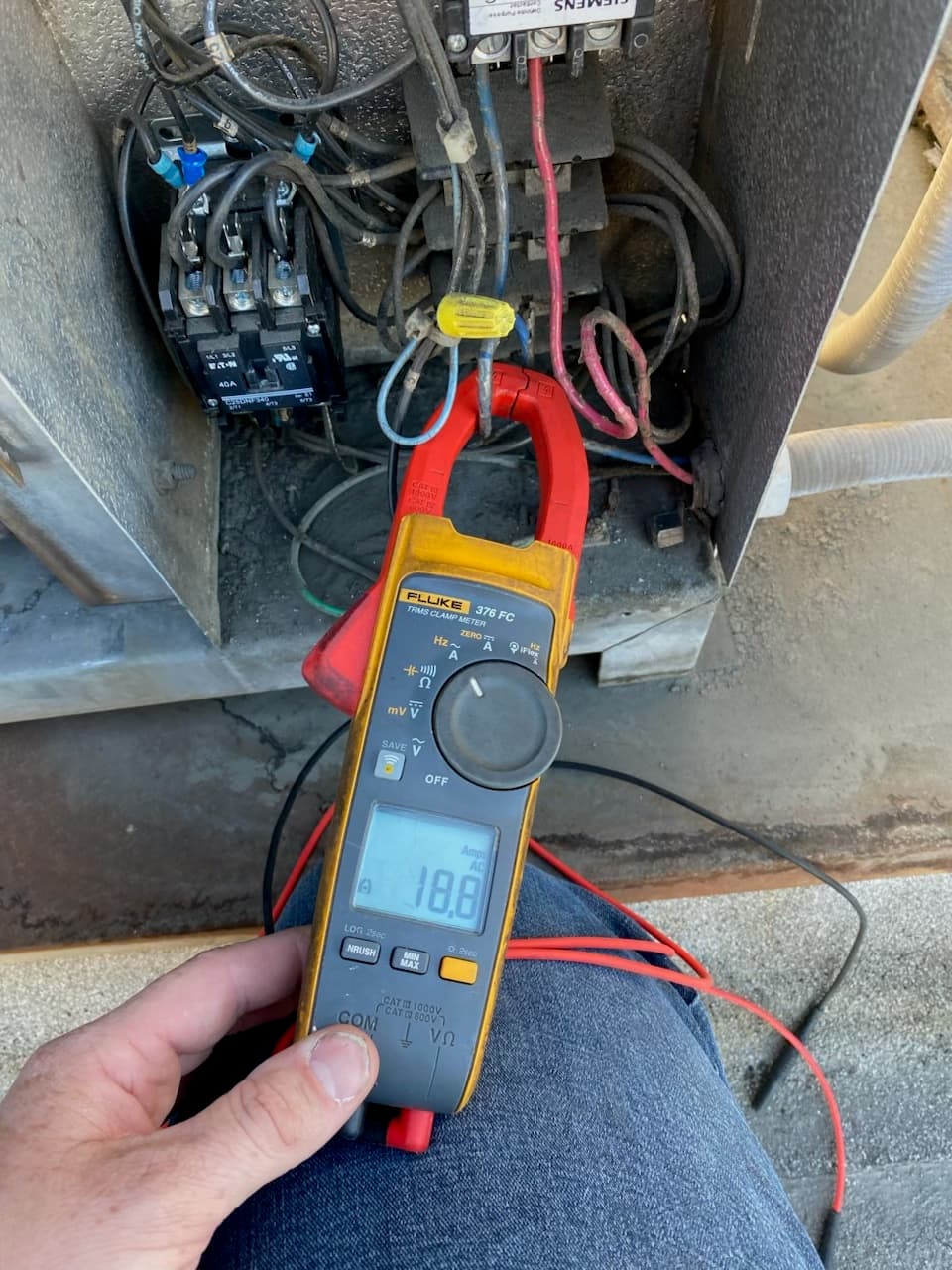
The repair call that defines Oceanside comes from the blocks between Coast Highway and the pier. A restaurant in a renovated two-story building has a condensing unit on a flat roof reached by a hatch in a storage closet, the dining room is full by six on a Friday, and the reach-in line has been drifting warm for two days. The roof itself tells the story before a gauge is connected: fin edges gone white, contactor points pitted, a disconnect with green on the lugs. Salt from the harbor and the beach does this to equipment in a fraction of the time it takes in Vista or San Marcos, so the first question is whether the failure is a part or the environment that keeps killing parts.
Along Oceanside Boulevard and Mission Avenue the stock is older strip retail, medical and dental suites, and small professional buildings that have changed hands and tenants several times. The pattern there is mismatched thermostats, units that were resized for a previous tenant, and economizers wired to nothing. A unit that short cycles in a chiropractic office next door to a sandwich shop often has a shared return problem or a damper stuck from a prior remodel rather than a bad compressor. We trace the whole path, from the stat through the controls to the refrigerant circuit and the duct, and write down what we found so the next manager does not start over.
Inland, the Rancho del Oro and Ocean Ranch flex buildings and the medical office space around the Tri-City Medical Center area want something different from a repair visit: a clear answer on remaining life. On those roofs the units are often fifteen to twenty years old, running well past design life in milder air than most of Southern California. A good outcome there is a repaired unit plus an honest note in the DaVinci Portal about what the next failure will probably be. When the same unit has been patched by three different companies, our second-opinion diagnostic is the right starting point.
Oceanside's climate and what it does to this equipment
Oceanside's weather follows the coast: cool, damp mornings under the marine layer, mild afternoons and persistent humidity. Salt carried inland by onshore breezes works on equipment near the harbor and the beach, corroding coils, housings and electrical terminals more quickly than in nearby inland cities. Summers are comfortable by Southern California standards, but the eastern, inland parts of the city can warm noticeably on days when the marine layer retreats. Equipment therefore faces two different problems depending on the street: salt and moisture near the water, and longer, hotter run times farther east.
For the equipment background behind this page, read our root-cause diagnostics guide or the full Commercial Troubleshooting & Repair service page.
- Downtown and Oceanside HarborRestaurants, hotels and mixed-use buildings near the pier and harbor, where kitchens and rooftop equipment live in salt air and tight service access.
- Oceanside Boulevard and Mission Avenue corridorsShopping centers, professional offices and older retail with aging rooftop units and tenants that change faster than the equipment is updated.
- Rancho del Oro and the inland industrial areasLight-industrial, warehouse and flex buildings serving local trades and distribution, with large open volumes and a mix of heating and cooling needs.
- Medical campusesHospital and medical office buildings that depend on continuous cooling, reliable hot water and documented maintenance records.
- Root-cause diagnostics, not guesswork
- Truck-stocked parts for common same-day fixes
- Clear repair options before any work is authorized
- DaVinci Portal included: QR service history, notes, photos
What a commercial hvac repair visit includes, and the problems we most often find
- Call in the issue — what the equipment is doing, and what it's affecting
- Tech arrives with truck-stocked parts for the most common failures on that equipment type
- Root-cause diagnostic with readings taken and logged, not just symptom patching
- Repair options presented with pricing before anything is authorized
- Approved work completed same-visit where parts allow; readings logged to the Portal
- Electrical failures — contactors, capacitors, and control boards
- Refrigerant leaks and low-charge symptoms
- Failed motors, bearings, and belts on fans and blowers
- Clogged condensate drains causing water damage or shutdowns
Commercial HVAC Repair in Oceanside: questions we get
Our building is two blocks from the harbor and we replace contactors and capacitors every year. Is that normal?
It is common, but it is not inevitable. Salt-laden air attacks exposed electrical components and uncoated coils, and a unit with a loose panel or a missing gasket accelerates it. A realistic plan is to seal the electrical compartment, use coated or marine-grade replacements where available, rinse coils on a schedule, and track the dates in the Portal so you can see whether the interval is actually lengthening. If it is not, the equipment is telling you something about its remaining life.
Can you handle repairs at a medical office that cannot lose cooling during patient hours?
Yes, with planning rather than luck. We ask for the suite schedule, identify which zones serve exam rooms and procedure areas, and stage parts before opening a unit so the outage window is short. For failures that cannot wait, we isolate the affected zone and use temporary cooling where the layout allows. Everything that is tested and replaced is recorded with readings, which is useful when a practice administrator has to answer questions about the environment later.
How fast can you get a tech on site?
Most diagnostics are same-day across our Orange County coverage area. Priority accounts and maintenance-plan members get first availability.
Do you charge a diagnostic fee?
Yes, a flat diagnostic fee that's disclosed up front and applied toward the repair if you approve it the same visit.