Commercial Refrigeration in Huntington Beach, CA
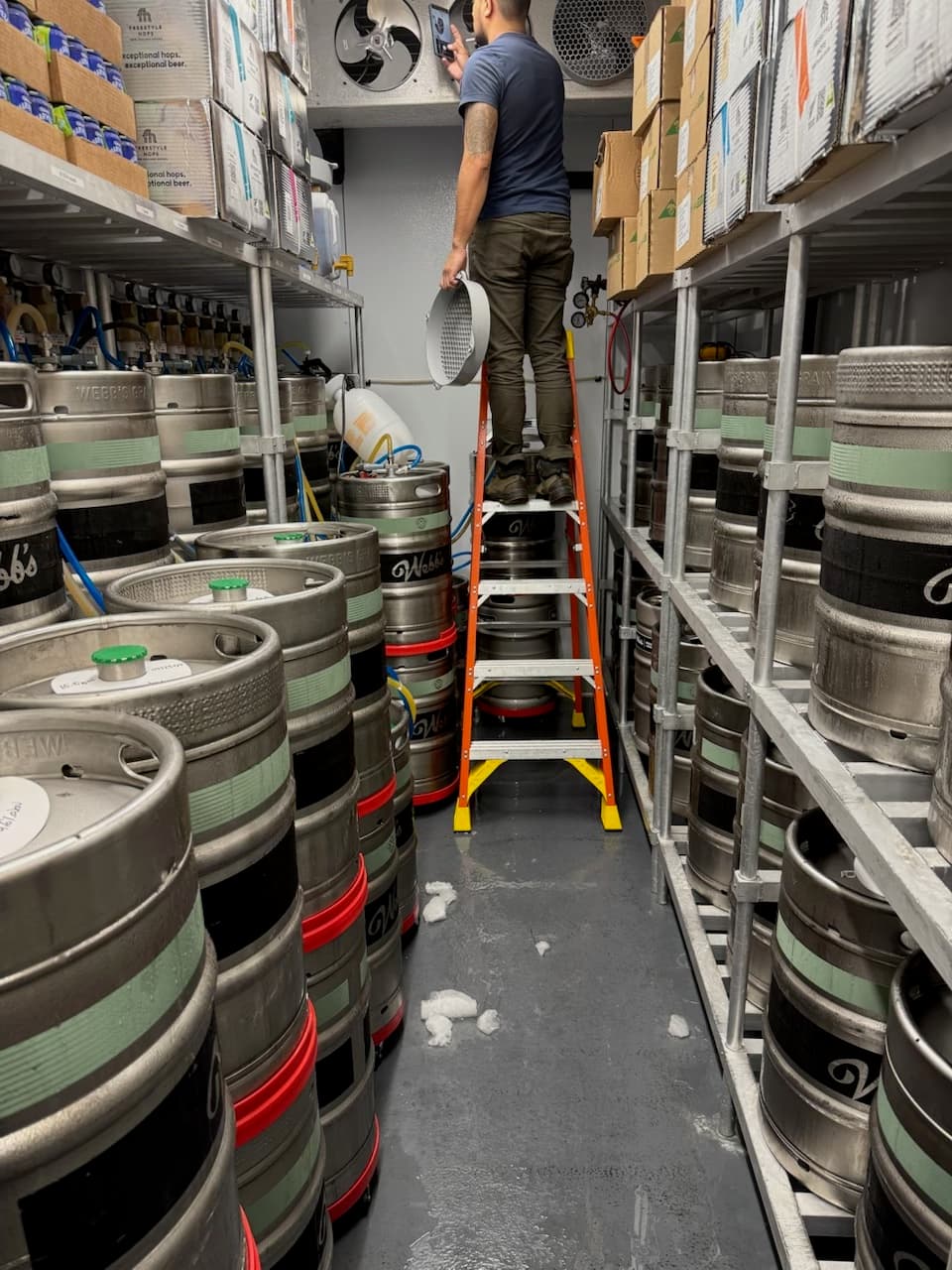
Beachfront kitchens in Huntington Beach lose walk-in capacity in small, avoidable ways: a rusted drain pan, a condenser coil packed with sand and grease film, a door heater that quit months ago. Tourists fill these restaurants on summer weekends, which is exactly when a marginal box fails. We time visits to the slower weekday hours, clear the condenser, test defrost, check box temperatures under load, and note any corrosion on lines and enclosures. The record you keep shows what was inspected, what was repaired, and what should be watched before the next holiday weekend.
Coastal retail, hospitality, and office space where salt-air corrosion shortens equipment life without regular PM.
How commercial refrigeration work plays out in Huntington Beach
Walk-in condensing units in downtown Huntington Beach die from the outside in. The restaurants and bars along Main Street, Walnut Avenue, and Pacific Coast Highway run their boxes with remote condensing units on roofs or in alleys that face the ocean, and salt air works on the coil fins, the fan motor, the contactor, and every unprotected copper joint at the same time. A box that is losing temperature in the afternoon often has a condenser that has lost a third of its heat transfer surface to corrosion, and the first warm weekend in spring exposes it.
Our refrigeration visits on the coast include things that would be unusual inland: freshwater rinsing of condenser coils, inspection and treatment of electrical connections, checking the condition of refrigerant line insulation and fittings for pitting, and photographing the cabinet so the owner can see the rate of deterioration. Hotels along PCH with kitchens, bars, and banquet refrigeration have the same exposure at larger scale, usually with several condensing units grouped on a roof that nobody visits unless something breaks.
Inland, grocery and specialty markets along Beach Boulevard and in the Bella Terra area, and food distributors in the Gothard Street industrial strip, run rack systems and larger boxes with more conventional failure modes: defrost problems, TXV hunting, door and gasket issues, and compressors wearing out. The commercial refrigeration systems guide explains how we assess those, and records for every box go into the DaVinci Portal for health inspection and asset planning.
Huntington Beach's climate and what it does to this equipment
Huntington Beach is directly coastal. Marine layer, salt, and humidity corrode coils, cabinets, and electrical connections faster than anywhere inland.
For the equipment background behind this page, read our walk-in cooler and freezer guide or the full Refrigeration: Walk-In & Reach-In Coolers/Freezers service page.
- Downtown and Pier areaRestaurants, bars, and hotels directly exposed to salt air.
- Beach Boulevard corridorRetail, medical, and office properties.
- Huntington Center and Gothard industrial areasAerospace-adjacent and light-industrial users with large RTUs.
- Bolsa Chica and Edinger business areasOffices and retail near the coast.
- Evaporator/condenser coil cleaning and defrost checks
- TXV/EEV, superheat, subcool, and pressure readings logged
- Door seals, drains, heaters, and fan packages inspected
- DaVinci Portal: temps and pressures logged by asset over time
What a commercial refrigeration visit includes, and the problems we most often find
- Check current box temperature against setpoint and recent trend
- Inspect door seals, drains, and evaporator/condenser coils for buildup
- Take superheat, subcool, and pressure readings against manufacturer spec
- Address the root cause — not just a temporary recharge
- Log readings to the asset so drift is caught early next visit
- Door seals and hinges that no longer hold a tight close
- Evaporator coils iced over from a defrost cycle issue
- Condenser coils caked with grease or debris, especially near kitchen exhaust
- Slow refrigerant leaks that show up as gradual temperature drift, not sudden failure