Commercial Water Heaters in Costa Mesa, CA
Restaurant and salon water use in Costa Mesa spikes in short bursts: a dinner rush, a Saturday of back-to-back appointments. A tank that looks adequate on paper can still run out when recovery is slow or the recirculation loop is poorly balanced. We measure actual draw patterns, inspect sediment and burner performance, test the relief valve, and check venting for corrosion from marine air. Replacement recommendations compare storage, tankless, and booster options against use, space, and current air district rules, which owners should confirm directly before committing to equipment.
Retail-heavy with South Coast Plaza and surrounding restaurant rows — ice machines and kitchen refrigeration see hard use.
How commercial water heaters work plays out in Costa Mesa
Hot water in Costa Mesa is a restaurant and hotel story first. The kitchens along Harbor and Newport Boulevards push water heaters through dish cycles that expose any recovery shortfall mid-shift; the hotels along Bristol and Anton need large storage or cascaded tankless banks that deliver to hundreds of guest rooms and a banquet kitchen at the same time; and the salons, fitness studios and medical offices along Bristol, 17th Street and Harbor run long continuous draws that a sediment-filled tank cannot keep up with.
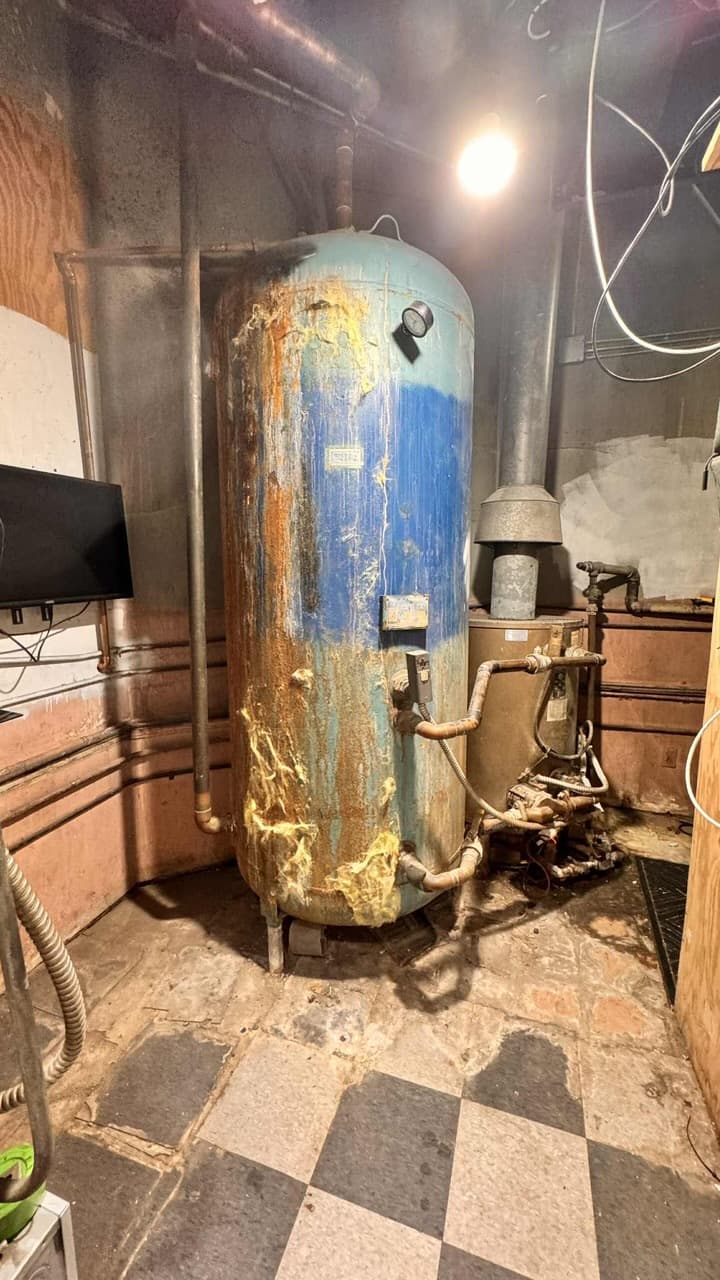
Two local factors shape the failures. The first is water hardness, which builds sediment in tanks and scale in tankless heat exchangers until recovery drops and error codes appear. The second is the city's older building stock along Newport Boulevard and in the Westside, where water heaters sit in closets, mezzanines and outdoor enclosures that were never designed for them, with venting that may not meet current requirements and combustion air that is marginal. In hotels, the most common complaint is temperature at the far end of a recirculation loop that was balanced at construction and never again.
Replacement work runs through City of Costa Mesa permitting and, for gas equipment, the SCAQMD low-NOx rules that we confirm against current requirements for each job. The outcome worth paying for is a system sized for the actual draw profile, a recirculation loop that delivers temperature at the farthest fixture, venting that passes inspection, and a flushing or descaling interval written into the maintenance program. The water heaters and boilers guide covers sizing and the tank versus tankless choice; hotels can read more on the hotels and convention sector page.
Costa Mesa's climate and what it does to this equipment
Costa Mesa gets a mild marine influence, with moderate humidity and some salt air toward the south. Coil rinsing and corrosion checks matter, though less than directly on the coast.
For the equipment background behind this page, read our water heaters and boilers guide or the full Commercial Water Heaters service page.
- South Coast Plaza and the TriangleLarge retail, hotel, and restaurant tenants.
- Restaurant rows along Harbor and Newport BoulevardsIndependent and chain restaurants with heavy ice and refrigeration use.
- SoBeCa and the Lab/Camp areasCreative offices and specialty retail in converted buildings.
- Fairview and Placentia industrial areasLight industrial, flex, and warehouse space.
- Combustion/ignition or element checks with descaling
- Venting, gas/electrical, condensate, and expansion tank review
- Temperature set-points confirmed for safety and code
- DaVinci Portal: full service history and proof-of-work on file
What a commercial water heaters visit includes, and the problems we most often find
- Check current output against actual peak demand, not just spec-sheet capacity
- Inspect combustion/ignition or heating elements and descale as needed
- Confirm venting, gas/electrical, and condensate are code-correct
- Set and verify temperature set-points for safety and code compliance
- Document the visit — proof-of-work you can show for inspection
- Undersized units that were never sized to actual peak demand
- Scale buildup reducing efficiency and shortening element/heat-exchanger life
- Venting or gas line sizing that doesn't match the installed unit
- Aging tanks nearing end of service life with no replacement plan in place