Commercial HVAC Repair in Costa Mesa, CA
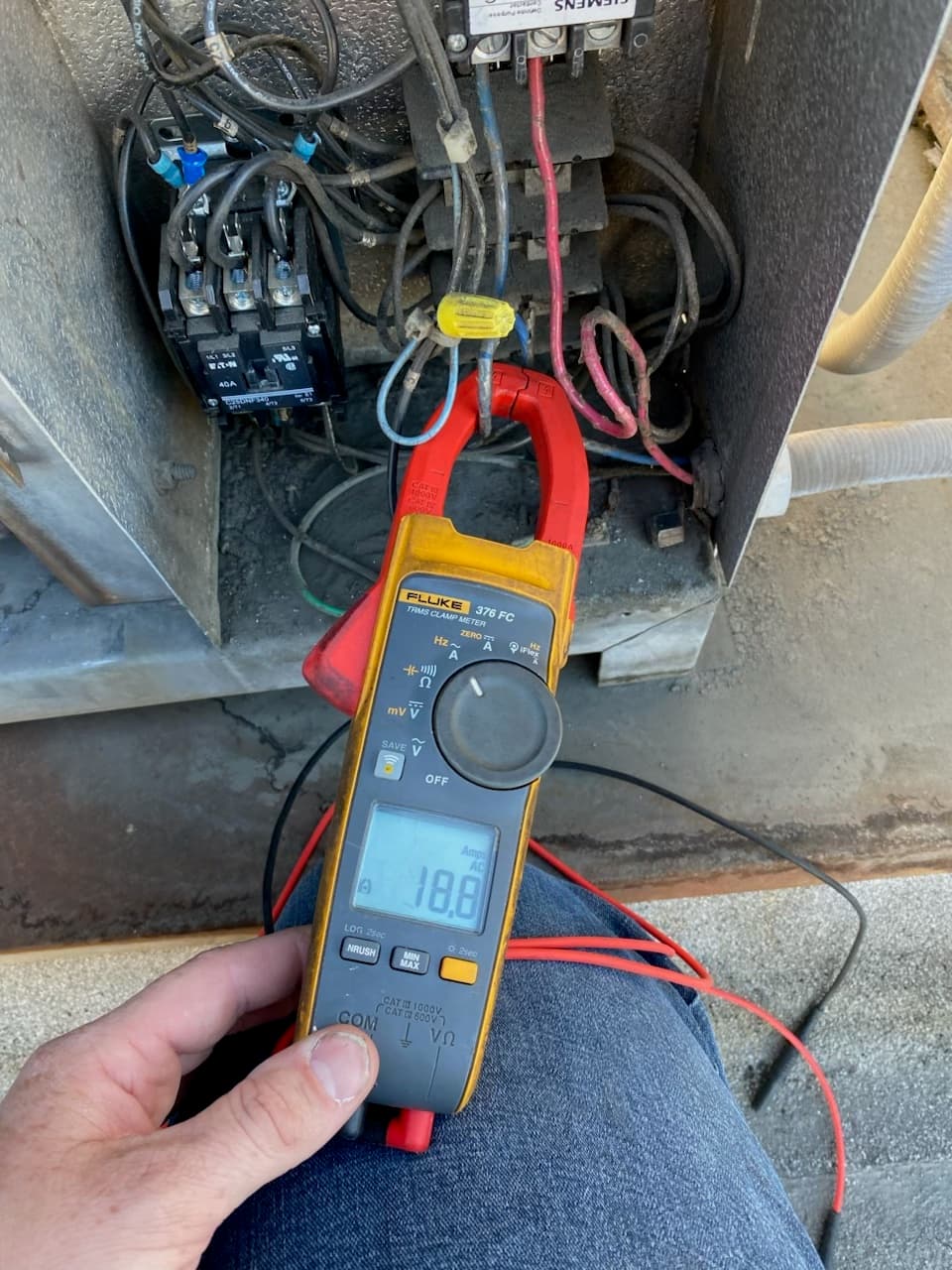
Costa Mesa work tends to arrive on short notice, because the tenants are restaurants, salons, and retailers that lose revenue by the hour. A walk-in warming on a Friday afternoon cannot wait for a quote cycle. Our trucks carry common contactors, capacitors, fan motors, and sensors so many repairs finish on the first visit, and for anything that needs ordering, we stabilize the system with temporary measures and explain the delay. Each call ends with a written note that records readings, the failed component, the probable cause, and whether the surrounding equipment shows the same wear, which is especially useful for landlords of multi-tenant buildings.
Retail-heavy with South Coast Plaza and surrounding restaurant rows — ice machines and kitchen refrigeration see hard use.
How commercial hvac repair work plays out in Costa Mesa
The repair calls that come out of Costa Mesa cluster around food and retail because that is what the city is built on. A reach-in on the line at a Harbor Boulevard restaurant stops holding at 4 p.m., a department-store-scale rooftop unit at South Coast Plaza trips on a Saturday, a creative office at The Camp or The Lab loses cooling in a converted industrial building with ductwork that was improvised decades ago. The common denominator is that the business is open and the problem is costing money by the hour, so the first conversation is about what can be stabilized today and what has to be ordered.
Building type shapes the diagnosis. In the South Coast Metro office towers and the hotels along Bristol and Anton, equipment is large, controls are sophisticated, and the fault is often a sequence or sensor problem that a parts-swapper will chase in circles. In the Westside industrial blocks off Placentia Avenue and in the small restaurant buildings along Newport Boulevard, the equipment is simpler and older, and the fault is more often a worn component that has been limping for months. On the SoBeCa side, the converted buildings have equipment installed in odd places, and finding the unit is the first step.
A finished repair here means the technician can tell you why it failed, not just what was replaced. We record the readings before and after in the DaVinci Portal so the next person to look at that unit, including a landlord or a buyer, sees the history. When a repair quote from someone else does not add up, the second opinion diagnostic is built for exactly that. The root cause diagnostics guide explains the method.
Costa Mesa's climate and what it does to this equipment
Costa Mesa gets a mild marine influence, with moderate humidity and some salt air toward the south. Coil rinsing and corrosion checks matter, though less than directly on the coast.
For the equipment background behind this page, read our root-cause diagnostics guide or the full Commercial Troubleshooting & Repair service page.
- South Coast Plaza and the TriangleLarge retail, hotel, and restaurant tenants.
- Restaurant rows along Harbor and Newport BoulevardsIndependent and chain restaurants with heavy ice and refrigeration use.
- SoBeCa and the Lab/Camp areasCreative offices and specialty retail in converted buildings.
- Fairview and Placentia industrial areasLight industrial, flex, and warehouse space.
- Root-cause diagnostics, not guesswork
- Truck-stocked parts for common same-day fixes
- Clear repair options before any work is authorized
- DaVinci Portal included: QR service history, notes, photos
What a commercial hvac repair visit includes, and the problems we most often find
- Call in the issue — what the equipment is doing, and what it's affecting
- Tech arrives with truck-stocked parts for the most common failures on that equipment type
- Root-cause diagnostic with readings taken and logged, not just symptom patching
- Repair options presented with pricing before anything is authorized
- Approved work completed same-visit where parts allow; readings logged to the Portal
- Electrical failures — contactors, capacitors, and control boards
- Refrigerant leaks and low-charge symptoms
- Failed motors, bearings, and belts on fans and blowers
- Clogged condensate drains causing water damage or shutdowns