VRF & Split System Service in Costa Mesa, CA
In SoBeCa and the converted buildings of the Lab and Camp areas, creative offices and specialty retailers often occupy structures with exposed ceilings and no room for ductwork. VRF and ductless equipment fits those spaces, with quiet indoor units that suit the look of the interior. We coordinate lines, condensate, and outdoor unit locations early, so design-driven tenants avoid costly changes mid-buildout. Each unit is labeled and logged in the DaVinci Portal, which keeps design-driven tenants and their landlords on the same page about what is installed where.
Retail-heavy with South Coast Plaza and surrounding restaurant rows — ice machines and kitchen refrigeration see hard use.
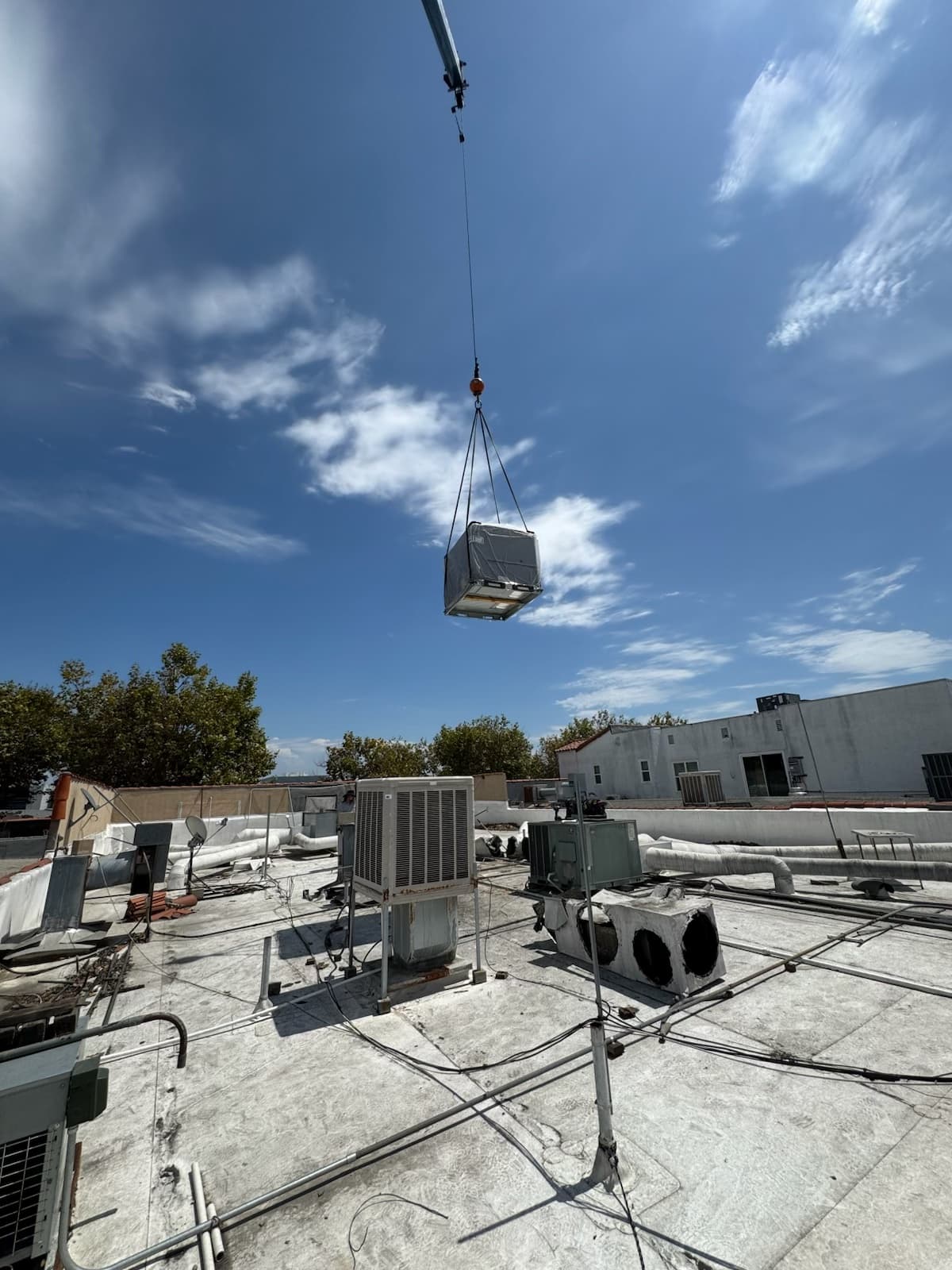
How vrf & split system service work plays out in Costa Mesa
The converted buildings that give Costa Mesa its character are also where VRF and ductless systems do the most work. The Camp, The Lab and the surrounding SoBeCa district turned industrial and warehouse buildings into creative offices, boutiques and restaurants with floor plans that no single rooftop unit could serve, so ductless and VRF went in zone by zone over the years. Medical and dental suites along Bristol and 17th Street use VRF for individual room control; server rooms in the South Coast Metro towers run dedicated split systems; and several newer mixed-use buildings around the Triangle and along Newport Boulevard were built with VRF from the start.
The coastal setting is the main local variable. VRF outdoor units on Costa Mesa roofs and in side yards near the south end of the city collect salt on their fins and corrode at the electrical connections, and the humid air means indoor units pull a lot of condensate that will overflow if drains are not maintained. In the converted buildings, refrigerant piping is often routed through old structures with long runs and uncertain insulation, and a small leak on a VRF system is harder to locate and more consequential than on a conventional split.
Servicing VRF properly means reading the manufacturer's diagnostic data, not just gauges. We handle service, repair and replacement across the common brands, verify piping and charge on installs, treat coastal units with coil rinsing and corrosion inspection, and document each indoor unit's zone in the portal so a complaint from a specific suite maps to the right equipment immediately. The VRF and split systems page covers the technology; for buildings weighing VRF against rooftop units, the rooftop unit guide is a useful comparison.
Costa Mesa's climate and what it does to this equipment
Costa Mesa gets a mild marine influence, with moderate humidity and some salt air toward the south. Coil rinsing and corrosion checks matter, though less than directly on the coast.
For the equipment background behind this page, read our VRF vs. RTU vs. split systems guide or the full VRF & Commercial Split Systems service page.
- South Coast Plaza and the TriangleLarge retail, hotel, and restaurant tenants.
- Restaurant rows along Harbor and Newport BoulevardsIndependent and chain restaurants with heavy ice and refrigeration use.
- SoBeCa and the Lab/Camp areasCreative offices and specialty retail in converted buildings.
- Fairview and Placentia industrial areasLight industrial, flex, and warehouse space.
- VRF and multi-split service with refrigerant circuit diagnostics
- Ductless mini-split installation for server rooms, tenant spaces, and additions
- Controller, communication, and zoning troubleshooting
- Documented startup and commissioning
What a vrf & split system service visit includes, and the problems we most often find
- Review the system layout: outdoor units, branch controllers, and indoor units
- Read refrigerant-circuit data and communication status
- Inspect drains, filters, coils, and line sets
- Correct the fault and re-verify operation across zones
- Document the system layout and readings by unit
- Communication faults between indoor units, branch boxes, and outdoor units
- Condensate pumps and drains failing in ceiling cassettes
- Refrigerant leaks in long line sets and field joints
- Zones fighting each other because of control setup