Boiler & Hydronic Service in Fullerton, CA
Campus heating hot water and older school boiler rooms in Fullerton often date from the original construction of the building. Winter breaks provide a narrow window to repair or replace them. We plan boiler work around the academic calendar and public-works procedures, including DSA review where it applies, and verify that new equipment, venting, and controls meet current code before the first cold week. Public-works documentation, including certified payroll and inspection records, travels with the project so the district or college can close out its file cleanly.
Institutional and light-industrial mix, including school and college mechanical rooms.
How boiler & hydronic service work plays out in Fullerton
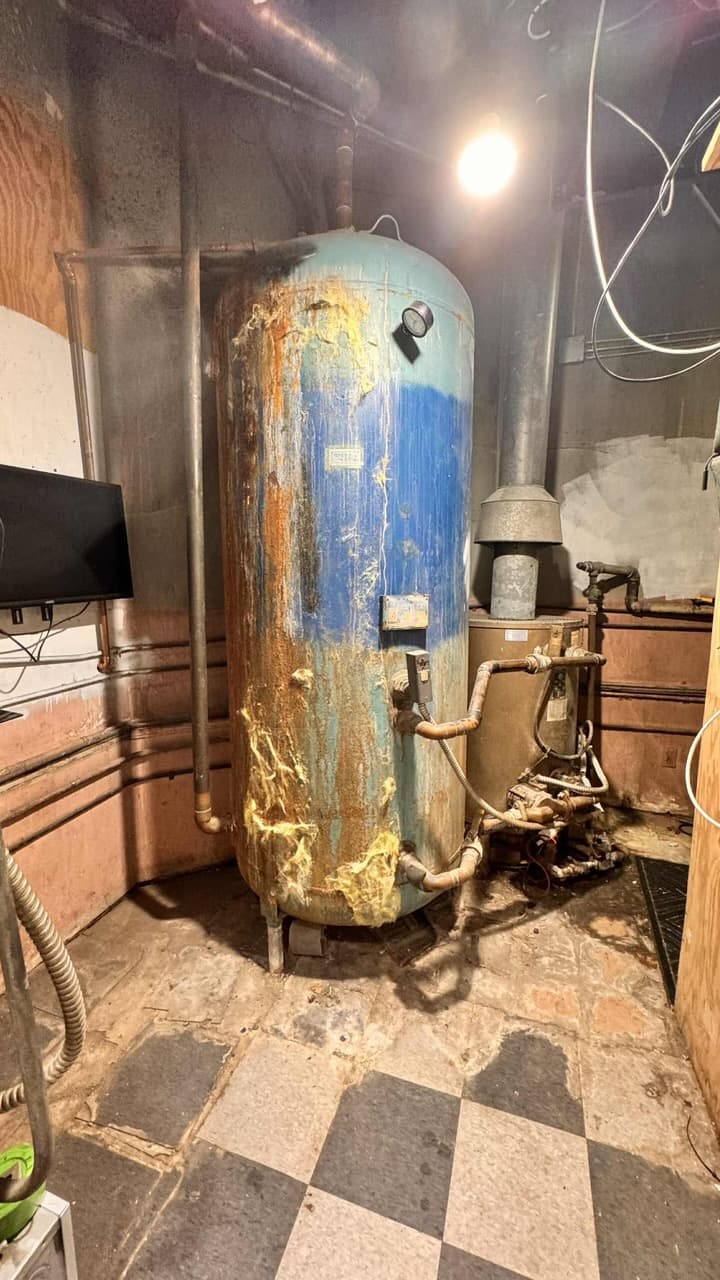
Heating gets less attention than cooling in Orange County, but Fullerton has real boiler load because of its institutional buildings. Hot-water boilers feed reheat coils, fan coils, and domestic hot water across campus buildings and school district sites, and the older boilers in those plants are the ones most likely to be living on borrowed time. Cold mornings in December and January, when north-county temperatures can drop near freezing, are when a boiler that has been ignoring a flame-sensor fault or a leaking relief valve finally stops, usually while the building is full.
Our fall visit on a Fullerton campus or district site focuses on combustion and safety: flame signal, ignition reliability, pressure and temperature controls, low-water cutoff, relief valve, venting, and pump operation. For older cast-iron sectional boilers we also look for signs of thermal shock and leaks at the sections. Commercial properties along the 57 corridor with hydronic heat are fewer but similar in failure mode, and the same inspection applies.
Boiler replacement in Fullerton has to satisfy South Coast AQMD rules for NOx emissions, which steer most projects toward low-NOx condensing units, and public sites add prevailing-wage and procurement requirements on top. Condensing boilers change piping and venting design, so a swap is a small engineering project, not a like-for-like exchange. We document the existing plant, confirm the current rules, and plan the installation for summer when heat is not needed.
Fullerton's climate and what it does to this equipment
Fullerton is north county, with hotter summers than the coast and occasional wildfire smoke and wind events from nearby hills.
For the equipment background behind this page, read our water heaters and boilers guide or the full Boilers & Hydronic Heating service page.
- University and college campusesLarge buildings with chilled-water, boilers, and rooftop equipment on academic schedules.
- Downtown FullertonRestaurants, bars, and small commercial buildings in older structures.
- Industrial and office areas near the freewaysLight industrial and corporate offices.
- School district facilitiesPublic school buildings under prevailing-wage and DSA requirements.
- Combustion analysis and tuning with logged results
- Low-water cutoff, relief valve, and flame-safeguard testing
- Condensing and non-condensing boiler service
- Hydronic loop, pump, valve, and expansion-tank diagnostics
What a boiler & hydronic service visit includes, and the problems we most often find
- Review boiler type, age, fuel, and the loads it serves
- Inspect burners, heat exchanger surfaces, venting, and combustion air
- Run combustion analysis and adjust to manufacturer specifications
- Test safeties and controls; check loop pressure, flow, and water quality
- Document results and recommend repairs or replacement timing
- Poor combustion tuning wasting fuel and fouling heat exchangers
- Condensing boilers running with return temperatures too high to condense
- Air in the loop or failing pumps causing cold zones
- Untested safeties on older boilers with no maintenance records