Boiler & Hydronic Service in Huntington Beach, CA
Beach-area hotels and pool facilities in Huntington Beach lean on boilers for hot water and pool heat, and the flues, caps, and jackets outdoors take the worst of the salt air. We examine the exposed parts as carefully as the burner, check condensate handling, and plan replacement of corroded vent components before a failed one closes the hot water for a full house. A short checklist of what staff should look for between visits, such as staining at the flue or unusual noise, helps catch trouble in the early stages.
Coastal retail, hospitality, and office space where salt-air corrosion shortens equipment life without regular PM.
How boiler & hydronic service work plays out in Huntington Beach
Heating load in Huntington Beach is light, but it is not zero, and the properties that have boilers depend on them more than the mild climate suggests. Hotels along Pacific Coast Highway use hydronic systems for domestic hot water, pool heating, and space heat in common areas on damp winter mornings when the marine layer keeps temperatures in the 50s all day. The hospital and medical buildings near Beach Boulevard run boilers for reheat and process loads. School district campuses have hydronic heat in older buildings. For all of them, a boiler failure in January is a comfort and operations problem that cannot wait for the weather to warm up.
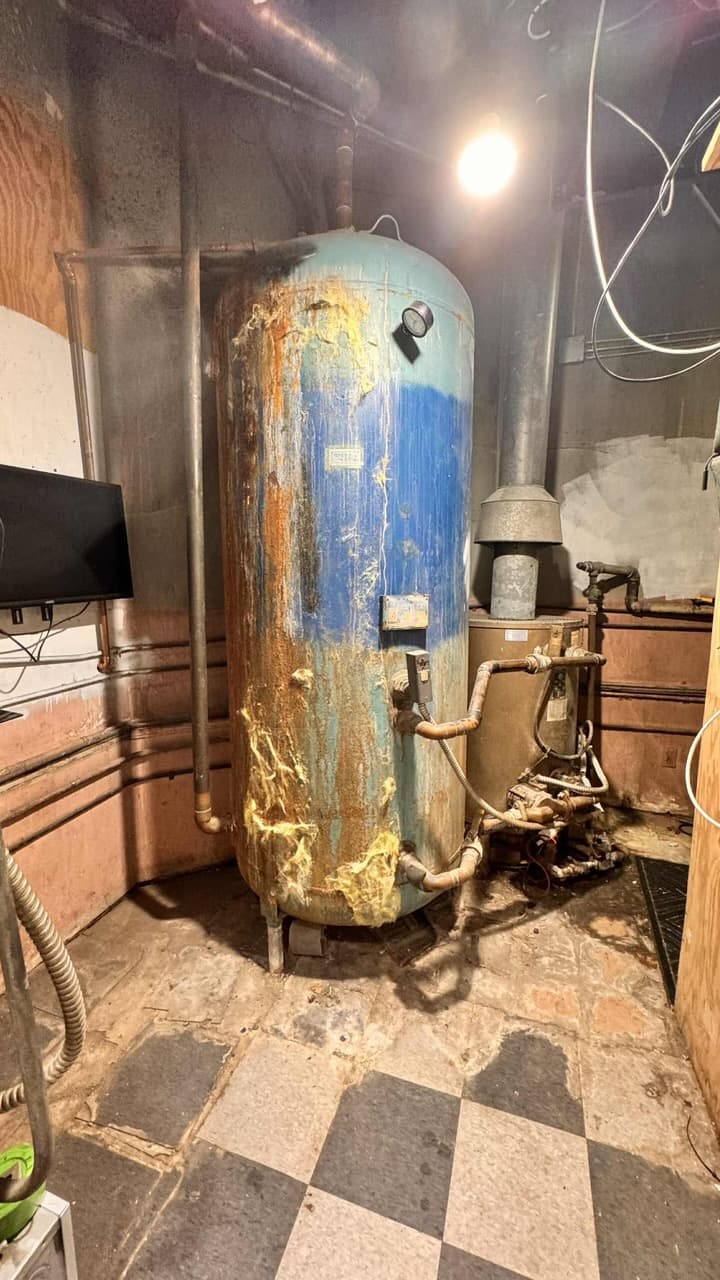
The coastal environment attacks boilers from the venting and the controls rather than the pressure vessel. Flue venting corrodes, outdoor-mounted boilers and their gas trains pit and seize, and electrical controls in damp mechanical rooms fail from moisture. Our fall inspection covers combustion and safety controls, flame signal, low-water cutoff, relief valve, pump and expansion tank condition, and a careful look at venting and gas train components for salt damage. Pool heaters at hotels get the same treatment because they fail the same way.
Replacement must meet South Coast AQMD NOx limits, which generally means low-NOx condensing equipment, and condensing boilers need venting and condensate handling designed for the coastal environment. Public sites add prevailing-wage and procurement rules. We plan boiler replacements for the warm months when heat is not needed and document the existing installation so the new design is right the first time.
Huntington Beach's climate and what it does to this equipment
Huntington Beach is directly coastal. Marine layer, salt, and humidity corrode coils, cabinets, and electrical connections faster than anywhere inland.
For the equipment background behind this page, read our water heaters and boilers guide or the full Boilers & Hydronic Heating service page.
- Downtown and Pier areaRestaurants, bars, and hotels directly exposed to salt air.
- Beach Boulevard corridorRetail, medical, and office properties.
- Huntington Center and Gothard industrial areasAerospace-adjacent and light-industrial users with large RTUs.
- Bolsa Chica and Edinger business areasOffices and retail near the coast.
- Combustion analysis and tuning with logged results
- Low-water cutoff, relief valve, and flame-safeguard testing
- Condensing and non-condensing boiler service
- Hydronic loop, pump, valve, and expansion-tank diagnostics
What a boiler & hydronic service visit includes, and the problems we most often find
- Review boiler type, age, fuel, and the loads it serves
- Inspect burners, heat exchanger surfaces, venting, and combustion air
- Run combustion analysis and adjust to manufacturer specifications
- Test safeties and controls; check loop pressure, flow, and water quality
- Document results and recommend repairs or replacement timing
- Poor combustion tuning wasting fuel and fouling heat exchangers
- Condensing boilers running with return temperatures too high to condense
- Air in the loop or failing pumps causing cold zones
- Untested safeties on older boilers with no maintenance records