Commercial HVAC Repair in Newport Beach, CA
A failed unit in a Newport Center tower is rarely the whole story. Suites are held to quiet-hours rules, freight elevators are booked, and the building engineer wants a cause written down before anything is replaced. Along the harbor and Mariners Mile, the usual culprits are salt-driven: crusted contactor faces, seized condenser fan bearings, and coil fins that have gone to powder. We trace the fault back through the circuit and the airflow, photograph what we find, and send a plain report with the failed part, the likely reason, and what to change so the next unit on that roof does not repeat it.
Class-A office towers, medical office, and upscale retail/restaurant tenants that expect clean, quiet, documented service.
How commercial hvac repair work plays out in Newport Beach
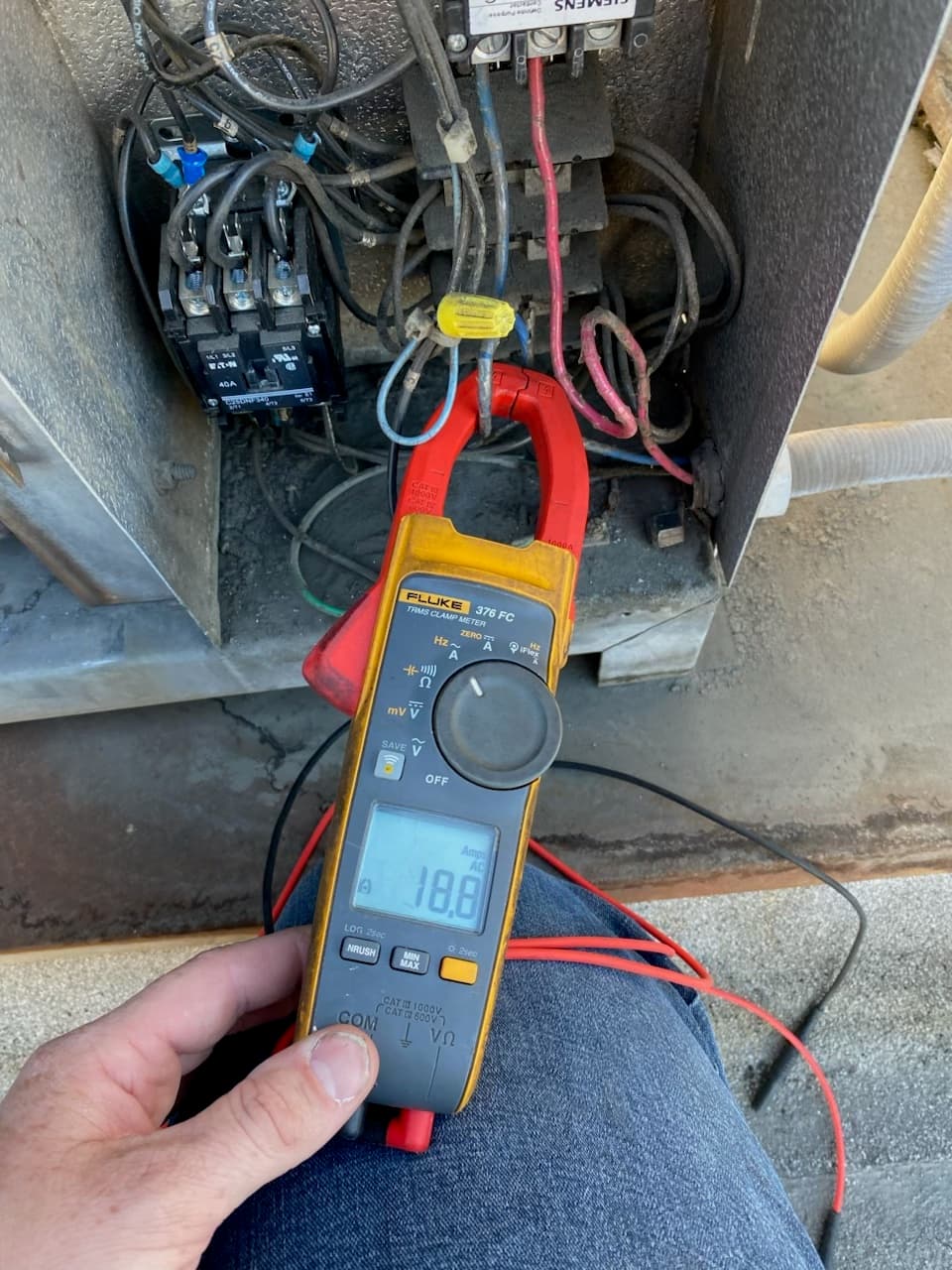
A typical Newport Beach repair call does not start with a dead unit. It starts with a building engineer in one of the Newport Center towers noticing that a floor is drifting warm in the afternoon, or a restaurant manager on Mariners Mile reporting that the dining room is fine at lunch and muggy by eight. The equipment is usually running; it is just no longer doing its job. On the coast that pattern often traces back to a condenser coil that has lost capacity to salt scale, a contactor whose contacts have pitted in the damp air, or a fan motor bearing that is dragging. We measure before we touch anything: superheat, subcooling, amperage against nameplate, static pressure, and the actual condition of the coil surface.
Access is part of the diagnosis here. Mid-rise offices near John Wayne Airport along MacArthur Boulevard and Jamboree Road tend to have mechanical penthouses or screened rooftop equipment reached through a managed roof hatch, so we coordinate with the engineer or property manager and sign in like any other vendor. Peninsula and Balboa Island restaurants are the opposite: tight alleys, equipment on small flat roofs or in side yards, and summer parking that forces an early arrival. We plan the truck position before we plan the repair.
A good outcome is a written cause, not just a replaced part. If a compressor is failing in a Corona del Mar medical suite, the report says why: refrigerant restriction, flooded start, corroded condenser starving it of heat rejection. That record lives in the DaVinci Portal with readings and photos, so the owner can see the trend and decide whether the next step is another repair or a planned replacement.
Newport Beach's climate and what it does to this equipment
Newport Beach is directly coastal: marine layer, humidity, and salt. Coated coils and routine rinsing are not optional; they decide whether a rooftop unit lasts 10 years or 18.
For the equipment background behind this page, read our root-cause diagnostics guide or the full Commercial Troubleshooting & Repair service page.
- Newport Center and Fashion IslandHigh-rise office, retail, and dining with building-engineer oversight.
- Airport area (near John Wayne Airport)Mid-rise offices and professional tenants.
- Balboa Peninsula and harbor-frontRestaurants and hospitality in direct salt-air exposure.
- Mariners Mile and Corona del MarRetail, medical, and professional offices near the coast.
- Root-cause diagnostics, not guesswork
- Truck-stocked parts for common same-day fixes
- Clear repair options before any work is authorized
- DaVinci Portal included: QR service history, notes, photos
What a commercial hvac repair visit includes, and the problems we most often find
- Call in the issue — what the equipment is doing, and what it's affecting
- Tech arrives with truck-stocked parts for the most common failures on that equipment type
- Root-cause diagnostic with readings taken and logged, not just symptom patching
- Repair options presented with pricing before anything is authorized
- Approved work completed same-visit where parts allow; readings logged to the Portal
- Electrical failures — contactors, capacitors, and control boards
- Refrigerant leaks and low-charge symptoms
- Failed motors, bearings, and belts on fans and blowers
- Clogged condensate drains causing water damage or shutdowns