Commercial HVAC Repair in Tustin, CA
Tustin presents two kinds of repair calls. At Tustin Legacy and similar newer developments, the equipment is young but the problems are installation-related: sensors reading wrongly, setpoints locked by a prior technician, dampers that never modulate. In older corridors near Red Hill and Newport Avenue, the issue is age plus deferred maintenance. We approach both by recording the complete operating picture before touching a part, including static pressures, superheat, subcooling, and control signals. Where a problem traces back to startup or balancing, we say so plainly in the report, which gives owners something concrete to bring to a developer, original installer, or manufacturer.
Growing office and retail development around the Tustin Legacy and Market Place corridors.
How commercial hvac repair work plays out in Tustin
A no-cool call in Tustin usually lands in one of two building generations, and the first question we ask is which one. On the Legacy side, the buildings around The District and the Village at Tustin Legacy medical campus are young enough that a hard failure is uncommon; what we find more often is a unit that was never fully commissioned, a supply sensor reading a few degrees off, or a schedule that someone changed through the front-end and never changed back. Along Newport Avenue, Red Hill and the older strips on Irvine Boulevard, the equipment is one or two generations older, and the failure is more likely mechanical: a seized condenser fan motor, a compressor that has been short cycling through a low charge for months, or a cracked heat exchanger on a gas pack that should have been retired.
Access shapes the day. Most of the older strips have exterior roof ladders and shared roofs with several tenants' units mixed together, so the first job is confirming which RTU actually serves the suite that called; the Legacy retail has hatch access through back corridors that the landlord controls, and a property manager or security contact usually has to let us up. Medical offices along Red Hill and at the Village campus need appointment-hours scheduling and clean work practices inside the suite.
A good repair here ends with the root cause on paper, not a parts list. If a Legacy unit was running on a bad sensor, the fix is calibration or replacement plus a verification run logged in the DaVinci Portal. If a Red Hill unit is at the end of its life, we say so, give a realistic timeline, and stop pouring refrigerant into it. Owners who want a second set of eyes on a quote they already have can use the second opinion diagnostic.
Tustin's climate and what it does to this equipment
Tustin is warm central basin with moderate humidity; less coastal influence than Costa Mesa or Newport Beach, so heat and dust matter more than salt.
For the equipment background behind this page, read our root-cause diagnostics guide or the full Commercial Troubleshooting & Repair service page.
- Tustin LegacyNewer retail, restaurant, office, and mixed-use development.
- The Market PlaceLarge retail and restaurant tenants with high refrigeration and RTU loads.
- Old Town Tustin and Newport AvenueOlder small commercial buildings and professional offices.
- Red Hill and Edinger corridorsMedical office, retail, and light-industrial users.
- Root-cause diagnostics, not guesswork
- Truck-stocked parts for common same-day fixes
- Clear repair options before any work is authorized
- DaVinci Portal included: QR service history, notes, photos
What a commercial hvac repair visit includes, and the problems we most often find
- Call in the issue — what the equipment is doing, and what it's affecting
- Tech arrives with truck-stocked parts for the most common failures on that equipment type
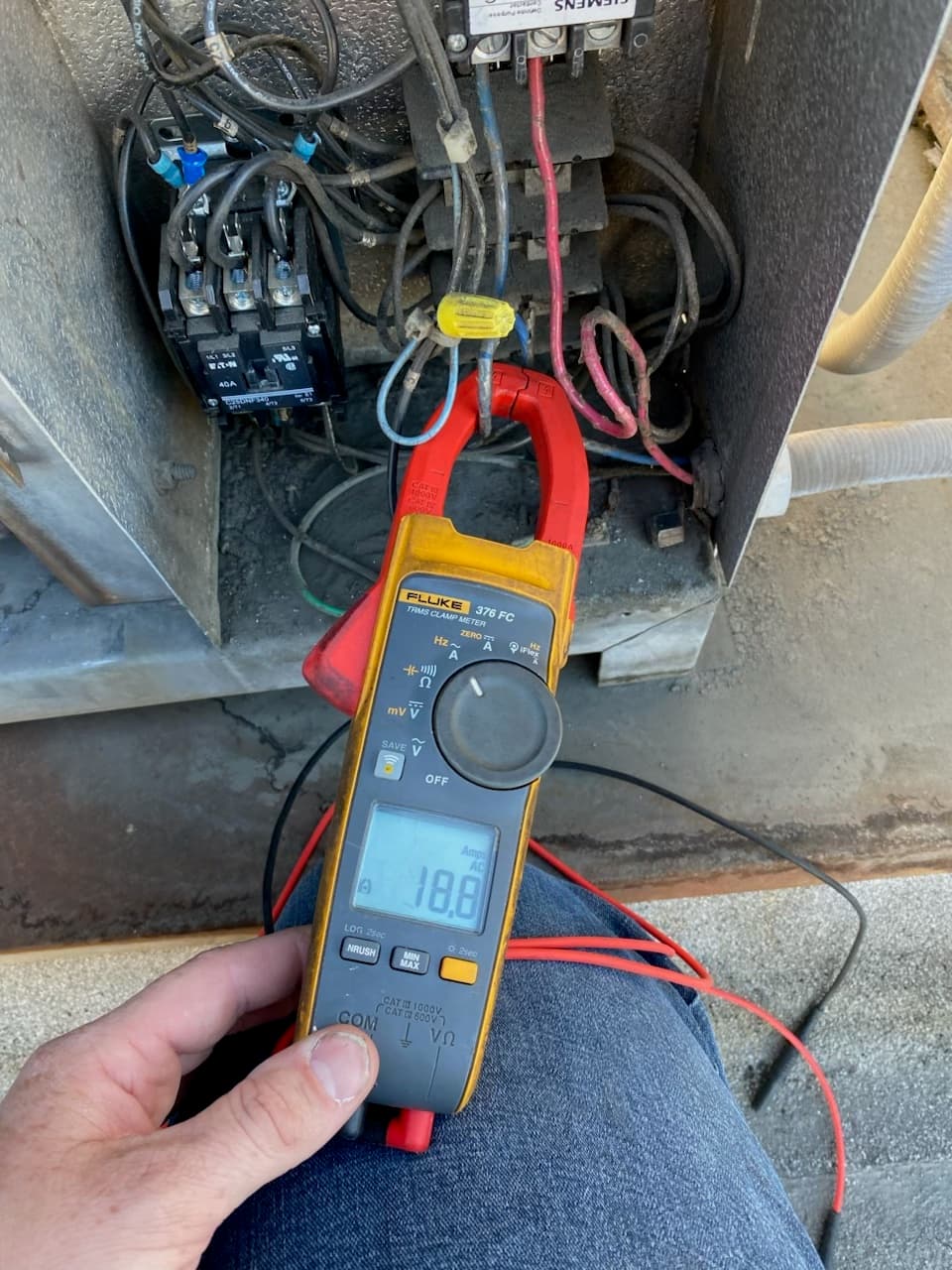
- Root-cause diagnostic with readings taken and logged, not just symptom patching
- Repair options presented with pricing before anything is authorized
- Approved work completed same-visit where parts allow; readings logged to the Portal
- Electrical failures — contactors, capacitors, and control boards
- Refrigerant leaks and low-charge symptoms
- Failed motors, bearings, and belts on fans and blowers
- Clogged condensate drains causing water damage or shutdowns