Commercial HVAC Repair in Santa Ana, CA
Santa Ana buildings have often been remodeled many times by many hands, and the evidence is above the ceiling: capped pipes, orphaned thermostats, ducts feeding rooms that no longer exist. A repair call near the Civic Center or on Fourth Street therefore starts with finding out what is truly installed. We trace airflow and refrigerant circuits, test electrical supply, and compare what the equipment is doing with what the occupants believe it does. The report to the property manager or agency lists the confirmed cause, what we corrected, and anything unsafe or undocumented that should be dealt with next.
Orange County's seat — government buildings, courts, and downtown commercial blocks with older mechanical rooms that need documented, code-ready service.
How commercial hvac repair work plays out in Santa Ana
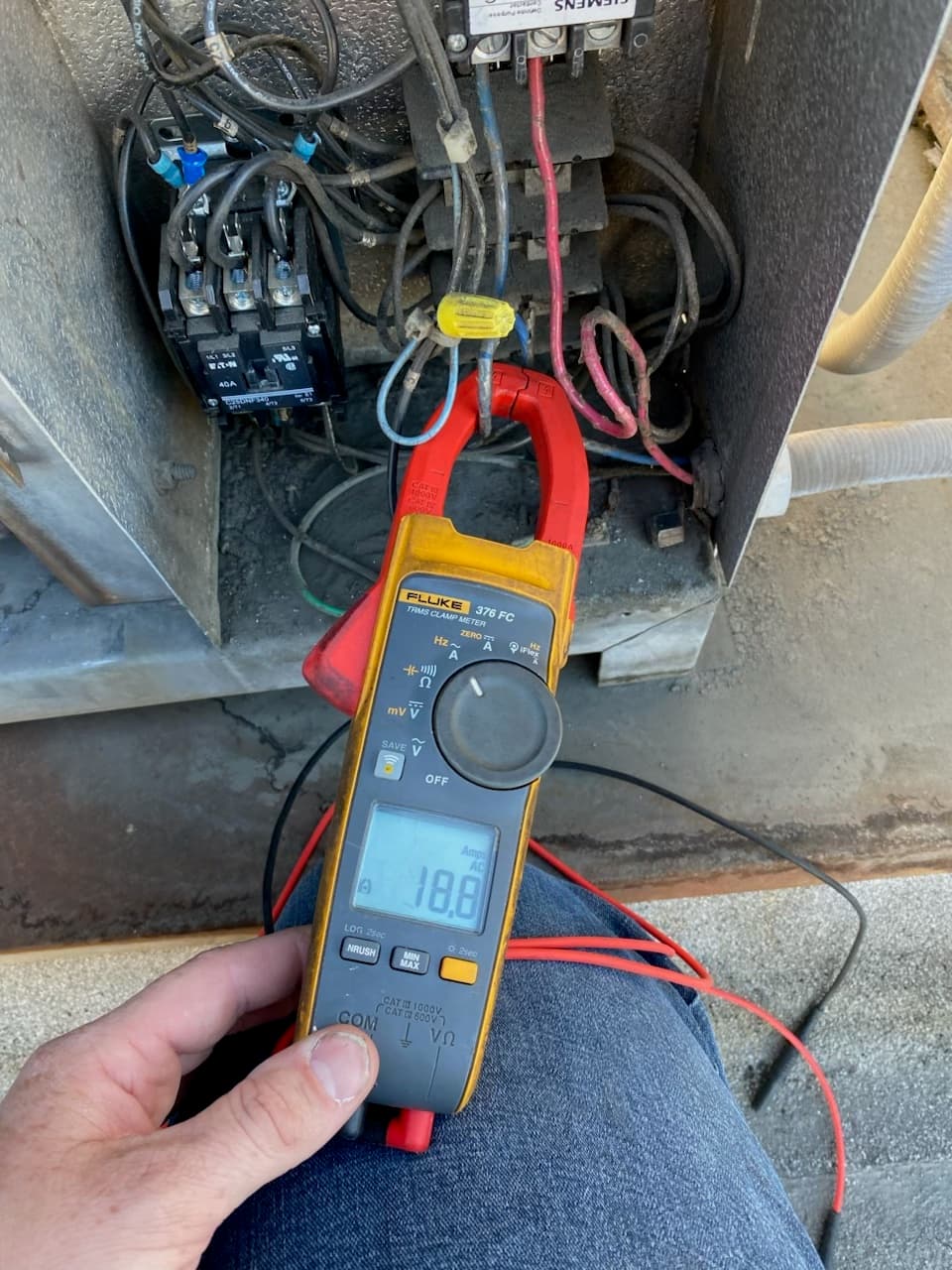
A typical Santa Ana repair call comes from one of three places: a county or city building near the Civic Center where a space has drifted out of range and the facilities desk needs a written finding before it can authorize anything, a restaurant or market along Bristol Street or Calle Cuatro that has lost cooling on a Saturday, or a manufacturer off Grand Avenue or Dyer Road whose production floor is heating up. Each one gets the same first step: readings before parts. Supply and return temperatures, refrigerant pressures, amp draws against nameplate, and a look at what is actually mounted on the roof, which in this city often differs from the drawings in the file.
Santa Ana's building stock is older than most of Orange County. Downtown blocks were built out decades ago and have been re-tenanted many times, so a restaurant kitchen may be running off a unit sized for an office, with a thermostat wired to a zone that no longer exists. On the industrial side, electrical service that was adequate for the original tenant now runs new process equipment and a rooftop package at the same time, and low voltage at the compressor terminals gets misdiagnosed as a bad compressor. We trace these to the source and show the numbers.
A good outcome for a Santa Ana property manager is a repair that holds, a short report with photos and readings attached to the asset in the DaVinci Portal, and a straight answer about whether the unit has a few years left or is on borrowed time. For public buildings, that report also needs to be something a procurement officer or auditor can file without follow-up questions, so we write it that way from the start.
Santa Ana's climate and what it does to this equipment
Santa Ana is central basin: warm summers, dust from industrial activity, and urban heat island effects that keep rooftops hot into the evening.
For the equipment background behind this page, read our root-cause diagnostics guide or the full Commercial Troubleshooting & Repair service page.
- Civic Center and downtownGovernment buildings, courts, and older commercial blocks with legacy mechanical rooms.
- Bristol Street retail corridorLarge retail and restaurant tenants with high refrigeration and RTU counts.
- South Coast Metro area (shared with Costa Mesa)Offices and hotels near major shopping destinations.
- Industrial and manufacturing districtsProcess cooling, ventilation, and large rooftop heating and cooling.
- Root-cause diagnostics, not guesswork
- Truck-stocked parts for common same-day fixes
- Clear repair options before any work is authorized
- DaVinci Portal included: QR service history, notes, photos
What a commercial hvac repair visit includes, and the problems we most often find
- Call in the issue — what the equipment is doing, and what it's affecting
- Tech arrives with truck-stocked parts for the most common failures on that equipment type
- Root-cause diagnostic with readings taken and logged, not just symptom patching
- Repair options presented with pricing before anything is authorized
- Approved work completed same-visit where parts allow; readings logged to the Portal
- Electrical failures — contactors, capacitors, and control boards
- Refrigerant leaks and low-charge symptoms
- Failed motors, bearings, and belts on fans and blowers
- Clogged condensate drains causing water damage or shutdowns