Maintenance Plans in Ventura, CA
Preventive maintenance in Ventura should be shaped by two things: salt exposure and a seasonal restaurant and tourism calendar. Harbor and downtown sites benefit from frequent coil cleaning, corrosion checks and drain clearing before the busy summer and holiday stretches. Medical and office properties usually fit a bi-annual or quarterly rhythm. Our plans attach inspection photos and readings to each asset in the DaVinci Portal so owners can see what is deteriorating before it fails.
A coastal county-seat city of downtown and Main Street restaurants, a working harbor, hospitals, and oil- and agriculture-adjacent industrial space along the 101 and Highway 126 corridors.
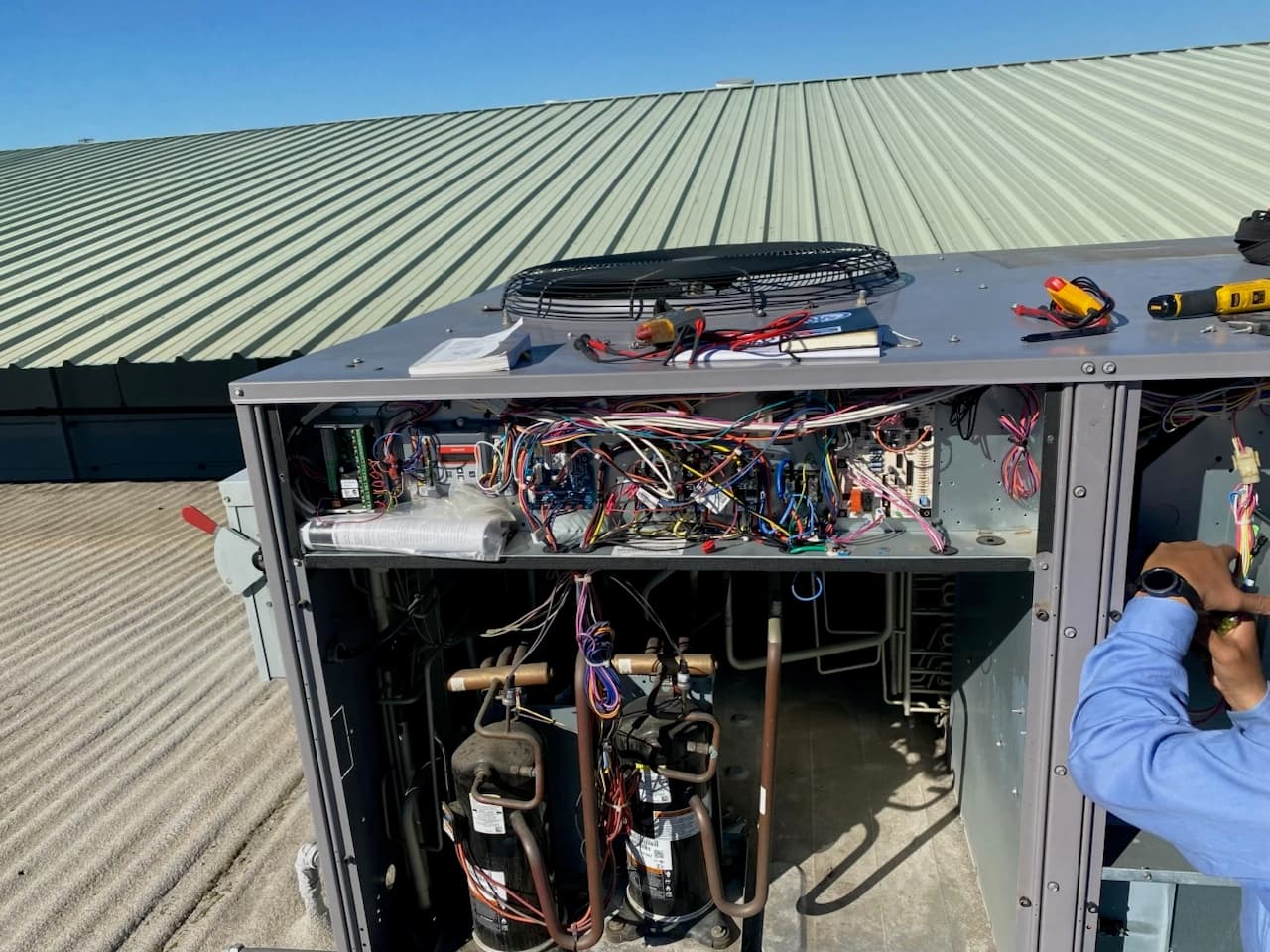
How maintenance plans work plays out in Ventura
Two calendars drive preventive maintenance in Ventura: the tourist and restaurant year and the fire season. Downtown and harbor businesses live for summer weekends, the fair at Seaside Park in August, and the holiday stretch, so the heavy work on their rooftop units, walk-ins and kitchen ventilation belongs in spring and again in October. Fall is also when Santa Ana winds and wildfire smoke are most likely, and a program here builds in an out-of-cycle filter and coil check after a smoke event, because ash on a coil does not wait for the next scheduled quarter.
The coastal items are in every visit regardless of property type. Coils are rinsed rather than brushed. Cabinet fasteners, panel seams and electrical terminals are inspected for corrosion, because a salt film on a loose lug becomes a hot spot and eventually a failed contactor. Condensate pans and drains get cleared since fog season keeps them wet for months. Outdoor-air and economizer sensors are checked against a reference, and rooftop exhaust fans get their bearings and belts looked at because harbor air gets into everything.
Frequency follows use. Main Street and Harbor Village restaurants, breweries and hotel kitchens fit a quarterly program. Medical offices around the hospital campuses, the county government buildings on Victoria Avenue, Midtown offices and the shopping centers near Pacific View Mall usually fit bi-annual visits timed before summer and before winter. Light-duty single-tenant buildings along Market Street and Olivas Park Drive can run annually with a corrosion check. Every asset gets a QR tag and a service history in the DaVinci Portal that owners can show to insurers and inspectors. The preventive maintenance guide explains what each tier includes, and plans describes program structure.
Ventura's climate and what it does to this equipment
Ventura sits directly on the Pacific, so marine influence dominates: cool summer mornings, a frequent low overcast known as the May Gray and June Gloom pattern, mild winters and afternoon sea breezes. Salt in the air and damp mornings drive corrosion on anything outdoors, especially within a mile or two of the beach and harbor. The hills behind the city bring a different risk, since Santa Ana wind events and wildfire smoke in the fall can load filters, coat coils with ash and force quick changes in outdoor-air strategy. Heat is rarely the main stress; salt and smoke are.
For the equipment background behind this page, read our preventive maintenance program guide or the full Commercial Maintenance Plans service page.
- Downtown Ventura and Main StreetRestaurants, bars and older mixed-use buildings with tight roofs, constrained kitchens, and heavy evening demand.
- Ventura Harbor and the marina areaWaterfront restaurants, marine services and visitor-oriented retail in constant salt spray and wind.
- Ventura Avenue and Highway 126 industrial corridorOil-heritage light industrial, equipment yards and support businesses with a mix of old and newer buildings.
- Telephone Road, Johnson Drive and the hospital districtMedical campuses, offices and professional space where continuous cooling and hot water are mission-critical.
- Free diagnostic on repairs for plan members
- Included labor per tier, with a member rate for anything over
- Photo-logged reports with temps, pressures, and amp draws
- DaVinci Portal included with QR tracking and self-service scheduling
What a maintenance plans visit includes, and the problems we most often find
- Walk every covered asset — RTUs, refrigeration, ice machines, water heaters
- Take and log readings against each unit's history, not a generic checklist
- Flag anything trending toward failure before it becomes a breakdown
- Deliver a photo-logged report after every visit
- Free diagnostic on any repair that comes out of the visit
- Equipment that 'seemed fine' failing without any maintenance history to catch the trend
- Multiple pieces of equipment aging out around the same time with no replacement plan
- Surprise repair costs that a documented PM history would have flagged months earlier
- Multi-location accounts with no consistent record across sites
Maintenance tiers for Ventura properties
Ventura properties are a mix of downtown restaurants, harbor-side businesses, medical buildings and older industrial space, so plans emphasize coastal corrosion checks, drain and coil maintenance, and pre-season visits before summer and holiday trade.
See maintenance plan tiers