Boiler & Hydronic Service in Ventura, CA
Ventura's mild climate means boilers work less hard, but hospitals, some older institutional buildings and hot-water-driven reheat systems still depend on them. Damp coastal air is rough on idle equipment, and a boiler that sits unused for months can fail when called on during the first cold snap. We service boilers and hydronic pumps, verify combustion and controls, check expansion and relief components, and test seasonal startup rather than waiting for a cold morning to find out.
A coastal county-seat city of downtown and Main Street restaurants, a working harbor, hospitals, and oil- and agriculture-adjacent industrial space along the 101 and Highway 126 corridors.
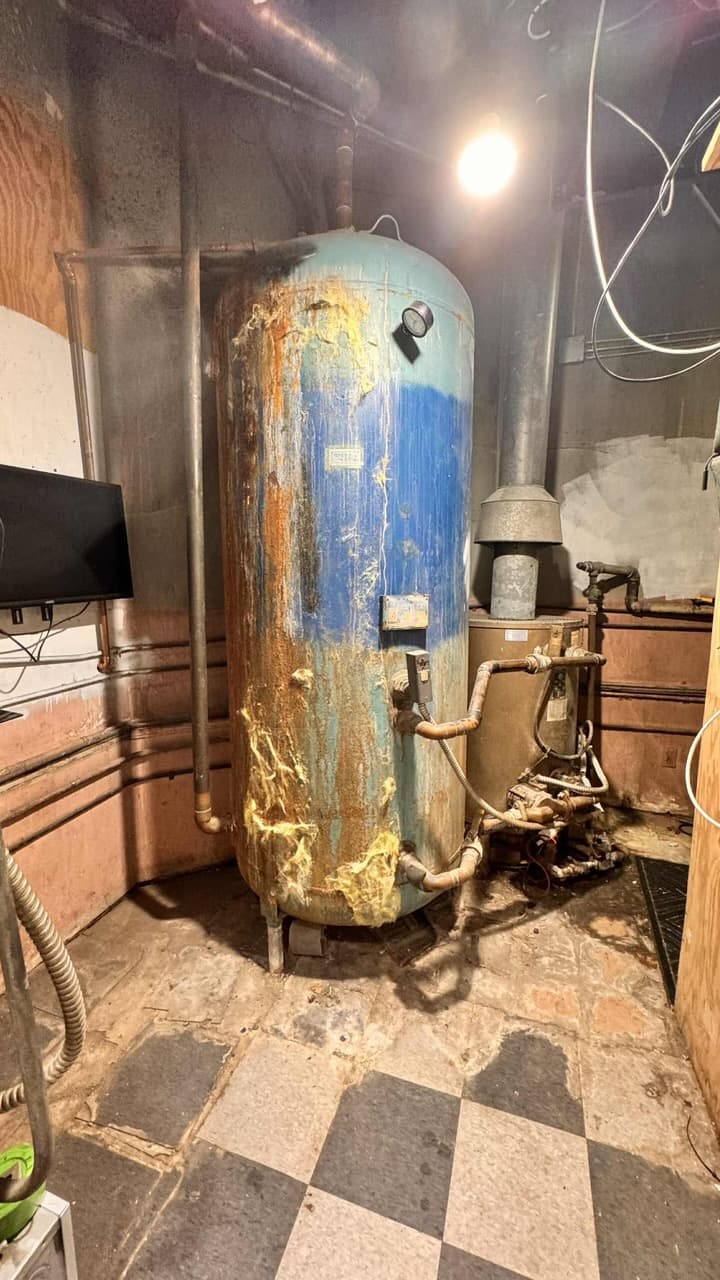
How boiler & hydronic service work plays out in Ventura
Heating is a small part of the year in Ventura, which is exactly why boilers here fail at the worst time. The equipment sits idle from spring to late fall in damp coastal air, and then the first cold, wet week in December asks it to light. The buildings that depend on it are the ones that cannot wait: hospital reheat and domestic hot water systems in Midtown and on Loma Vista Road, the county buildings and courthouse on Victoria Avenue, the college campus, hotels with pool and spa heating near the beach, and older institutional and church buildings downtown with hydronic systems that go back decades.
The damp is the mechanism. Igniters, flame sensors, gas valves and burner components corrode while idle. Non-condensing boilers that cycle briefly in the off-season form condensation on the flue gas side and pit. Expansion tanks lose their charge, circulators seize or lose their seals, air works into loops, and relief valves weep. On a hospital reheat system the first symptom is overcooled patient rooms because reheat coils have no hot water, and on a hotel it is a cold pool and a lobby full of complaints.
Our pattern is a scheduled fall startup with combustion analysis, safety and low-water cutoff testing, pump and valve exercise and a loop check for air and leaks, followed by a mid-winter visit on buildings where heat is critical. Condensing boilers get their condensate neutralizers and drains inspected, since fog-season condensate volume runs higher than operators expect. Public and hospital boiler work in Ventura County is usually bid-level, and we document it to prevailing-wage standards. The water heaters and boilers guide covers combustion and safety fundamentals.
Ventura's climate and what it does to this equipment
Ventura sits directly on the Pacific, so marine influence dominates: cool summer mornings, a frequent low overcast known as the May Gray and June Gloom pattern, mild winters and afternoon sea breezes. Salt in the air and damp mornings drive corrosion on anything outdoors, especially within a mile or two of the beach and harbor. The hills behind the city bring a different risk, since Santa Ana wind events and wildfire smoke in the fall can load filters, coat coils with ash and force quick changes in outdoor-air strategy. Heat is rarely the main stress; salt and smoke are.
For the equipment background behind this page, read our water heaters and boilers guide or the full Boilers & Hydronic Heating service page.
- Downtown Ventura and Main StreetRestaurants, bars and older mixed-use buildings with tight roofs, constrained kitchens, and heavy evening demand.
- Ventura Harbor and the marina areaWaterfront restaurants, marine services and visitor-oriented retail in constant salt spray and wind.
- Ventura Avenue and Highway 126 industrial corridorOil-heritage light industrial, equipment yards and support businesses with a mix of old and newer buildings.
- Telephone Road, Johnson Drive and the hospital districtMedical campuses, offices and professional space where continuous cooling and hot water are mission-critical.
- Combustion analysis and tuning with logged results
- Low-water cutoff, relief valve, and flame-safeguard testing
- Condensing and non-condensing boiler service
- Hydronic loop, pump, valve, and expansion-tank diagnostics
What a boiler & hydronic service visit includes, and the problems we most often find
- Review boiler type, age, fuel, and the loads it serves
- Inspect burners, heat exchanger surfaces, venting, and combustion air
- Run combustion analysis and adjust to manufacturer specifications
- Test safeties and controls; check loop pressure, flow, and water quality
- Document results and recommend repairs or replacement timing
- Poor combustion tuning wasting fuel and fouling heat exchangers
- Condensing boilers running with return temperatures too high to condense
- Air in the loop or failing pumps causing cold zones
- Untested safeties on older boilers with no maintenance records