Commercial HVAC Repair in Ventura, CA
Downtown Ventura repair work often means getting to the problem in a building that was not laid out for service. Roof hatches, rear alleys and shared walls shape how we diagnose, and a restaurant on Main Street cannot lose its walk-in or hot water over a dinner service. We trace failures to cause, including salt-corroded wiring, undersized condensate drains in older rooftop installs and compressors starved by dirty condensers, and we write down what we measured so owners are not left guessing.
A coastal county-seat city of downtown and Main Street restaurants, a working harbor, hospitals, and oil- and agriculture-adjacent industrial space along the 101 and Highway 126 corridors.
How commercial hvac repair work plays out in Ventura
A Main Street restaurant owner calls at four on a Friday afternoon. The walk-in is reading 46, the condenser is on a roof reached by a ladder through a storage mezzanine, and the building went up when Ventura was still an oil town. That call is the center of commercial repair work in this city. Downtown Ventura runs on buildings that were never designed for the equipment inside them, which means the diagnostic often starts with figuring out how a previous contractor got a condensing unit onto that roof at all, and whether the line set routed through a brick wall and across a neighbor's parapet is part of the problem.
The other half of the city is more conventional and no less demanding. The hospital campuses and medical offices along Loma Vista Road, Telephone Road and in Midtown have air handlers and rooftop units that serve exam rooms, imaging suites and surgery centers, and a repair there is scheduled around clinical hours and infection-control practices. The light industrial and auto-related buildings along Johnson Drive, Market Street and Olivas Park Drive run packaged units and shop ventilation hard, and the county government complex on Victoria Avenue has the kind of building stock where documented work matters as much as fast work.
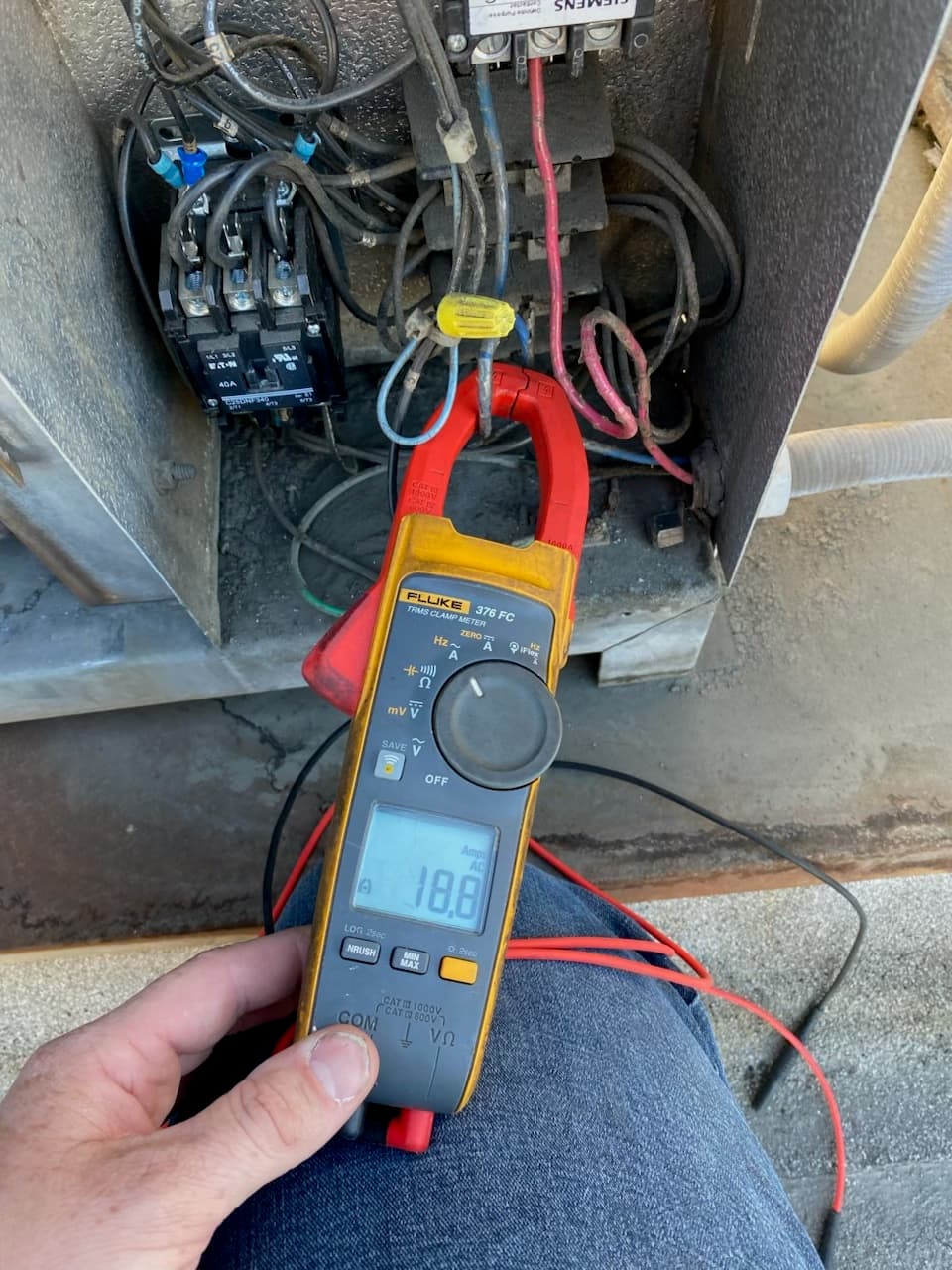
In each case we diagnose to cause. On the coast that frequently means a condenser coil fouled by salt and, since the 2017 fire season, ash that never fully washed off; corroded low-voltage connections; condensate drains undersized for fog-season volume on older rooftop installs; or a compressor that is the third victim of a problem nobody fixed. Readings, photos and the failed part go into the DaVinci Portal against the unit's QR tag. When a prior diagnosis does not add up, start with a second-opinion diagnostic and we will tell you what we actually find.
Ventura's climate and what it does to this equipment
Ventura sits directly on the Pacific, so marine influence dominates: cool summer mornings, a frequent low overcast known as the May Gray and June Gloom pattern, mild winters and afternoon sea breezes. Salt in the air and damp mornings drive corrosion on anything outdoors, especially within a mile or two of the beach and harbor. The hills behind the city bring a different risk, since Santa Ana wind events and wildfire smoke in the fall can load filters, coat coils with ash and force quick changes in outdoor-air strategy. Heat is rarely the main stress; salt and smoke are.
For the equipment background behind this page, read our root-cause diagnostics guide or the full Commercial Troubleshooting & Repair service page.
- Downtown Ventura and Main StreetRestaurants, bars and older mixed-use buildings with tight roofs, constrained kitchens, and heavy evening demand.
- Ventura Harbor and the marina areaWaterfront restaurants, marine services and visitor-oriented retail in constant salt spray and wind.
- Ventura Avenue and Highway 126 industrial corridorOil-heritage light industrial, equipment yards and support businesses with a mix of old and newer buildings.
- Telephone Road, Johnson Drive and the hospital districtMedical campuses, offices and professional space where continuous cooling and hot water are mission-critical.
- Root-cause diagnostics, not guesswork
- Truck-stocked parts for common same-day fixes
- Clear repair options before any work is authorized
- DaVinci Portal included: QR service history, notes, photos
What a commercial hvac repair visit includes, and the problems we most often find
- Call in the issue — what the equipment is doing, and what it's affecting
- Tech arrives with truck-stocked parts for the most common failures on that equipment type
- Root-cause diagnostic with readings taken and logged, not just symptom patching
- Repair options presented with pricing before anything is authorized
- Approved work completed same-visit where parts allow; readings logged to the Portal
- Electrical failures — contactors, capacitors, and control boards
- Refrigerant leaks and low-charge symptoms
- Failed motors, bearings, and belts on fans and blowers
- Clogged condensate drains causing water damage or shutdowns
Commercial HVAC Repair in Ventura: questions we get
Our downtown Ventura building has no roof hatch and the only access is a ladder from the alley. Does that change how a repair gets done?
It changes the planning more than the repair. We confirm the access route on the first call, bring the right ladder or arrange a lift where the alley allows one, and bring the parts likely to be needed so there is one trip up rather than three. If equipment on that roof will eventually need replacement, we note the access constraint now because it affects crane planning later. Many downtown buildings also share roofs or parapets with neighbors, so we check whose equipment is whose before touching anything.
Since the fire season a few years ago, our Ventura rooftop units have never run quite right. Could ash still be a factor?
Yes. Ash from the Thomas Fire and later smoke events settled on condenser coils across the city, and where coils were not thoroughly washed it bonded with salt and moisture into a crust that a casual hose-down does not remove. The symptom is high head pressure, long run times and tripping on warm afternoons. A proper coil cleaning with the correct chemistry usually restores capacity, and a pressure and temperature check afterward confirms whether anything else was damaged.
How fast can you get a tech on site?
Most diagnostics are same-day across our Orange County coverage area. Priority accounts and maintenance-plan members get first availability.
Do you charge a diagnostic fee?
Yes, a flat diagnostic fee that's disclosed up front and applied toward the repair if you approve it the same visit.