Boiler & Hydronic Service in Camarillo, CA
Heating loads here are modest, but boilers still matter for hotel hot water, laboratory reheat and food-processing sanitation. Because systems idle through long warm seasons, startups can reveal failed ignition components, stuck valves and neglected combustion settings. We service boilers and hydronic loops, test safeties, verify combustion, and perform a seasonal readiness check so a hotel or processing plant is not discovering a problem during the first cool week.
A 101-corridor city with airport-area industrial, aerospace and biotech users, Camarillo Premium Outlets, business parks, and farmland pressing against nearly every edge of the commercial map.
How boiler & hydronic service work plays out in Camarillo
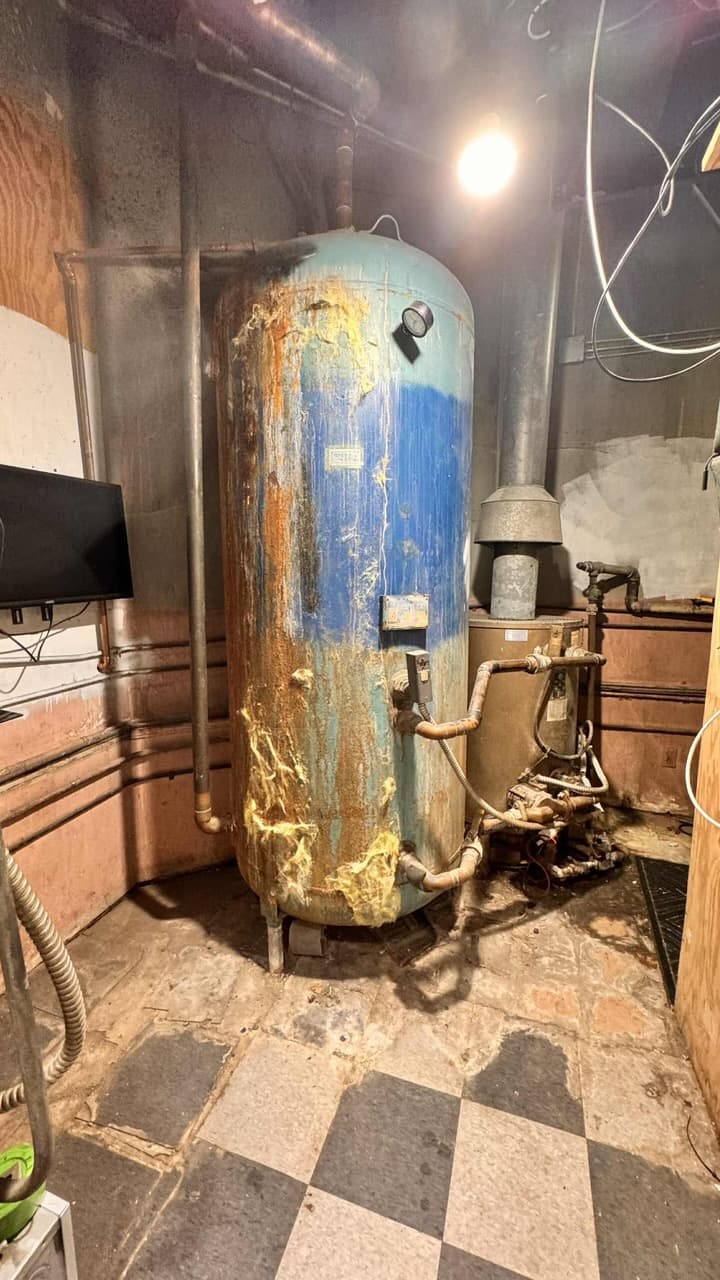
Heating in Camarillo is a short season that arrives after a long idle. The marine influence keeps winter mild, but the city sits far enough inland that December and January mornings get cold enough for boilers in hotels, labs, senior living communities and the hospital area to run in earnest for a few months. Through the rest of the year those boilers do little beyond domestic hot water or lab reheat, and that idle time is what causes the failures: igniters and flame sensors that corrode in damp fog mornings, gas valves that stick, condensate neutralizers that go dry, and pumps whose seals have hardened.
The buildings that notice first are the controlled ones. Biotech and electronics facilities near the airport use heating water for reheat coils that keep humidity and temperature in range, so a weak boiler shows up as a humidity excursion in a lab before anyone feels cold. Hotels along the 101 notice when morning hot water demand collides with a boiler that has not been tuned since spring. Food processors use boilers for sanitation and process heat, and a washdown line that runs cool is a food-safety problem. Public buildings and the schools served by local districts often carry older hydronic systems where the public works procurement process governs major repairs.
We handle the fall readiness check in October: combustion analysis, safety and limit tests, pump and valve exercise, expansion and relief inspection, and verification of the controls that stage boilers and manage outdoor reset. Condensing boilers get their heat exchangers and condensate systems inspected. The record goes in the Portal so a quality or facilities team can show the system was proven before it was needed. Equipment selection, from condensing heat exchangers to staging controls, is covered in our water heaters and boilers guide.
Camarillo's climate and what it does to this equipment
Camarillo sits in a transition zone between the cool coast and the hotter valleys to the east. Mornings often start under marine fog and low cloud, then burn off to warm, dry afternoons that run hotter than Oxnard or Ventura. Long summer cooling seasons are the norm, while winter heating is light. Dust from surrounding fields settles on coils and filters, especially in windy periods, and Santa Ana winds can bring heat and fine particulates in the fall. The result is equipment that sees both humidity swings and heavy fouling, with condensers working hard on warm afternoons.
For the equipment background behind this page, read our water heaters and boilers guide or the full Boilers & Hydronic Heating service page.
- Camarillo Airport area and Aviation Drive industrialAerospace, electronics, biotech and flex-industrial buildings with process cooling and clean-air requirements.
- Camarillo Premium Outlets and the 101 retail corridorLarge-format outlet retail, food service and hotels with long run hours and numerous rooftop units.
- Pleasant Valley Road and Las Posas Road business parksOffice, flex and light manufacturing space with professionally managed rooftop equipment.
- Camarillo Town Center and Ventura Boulevard areaRestaurants, grocery and neighborhood commercial buildings with kitchen loads and refrigeration.
- Combustion analysis and tuning with logged results
- Low-water cutoff, relief valve, and flame-safeguard testing
- Condensing and non-condensing boiler service
- Hydronic loop, pump, valve, and expansion-tank diagnostics
What a boiler & hydronic service visit includes, and the problems we most often find
- Review boiler type, age, fuel, and the loads it serves
- Inspect burners, heat exchanger surfaces, venting, and combustion air
- Run combustion analysis and adjust to manufacturer specifications
- Test safeties and controls; check loop pressure, flow, and water quality
- Document results and recommend repairs or replacement timing
- Poor combustion tuning wasting fuel and fouling heat exchangers
- Condensing boilers running with return temperatures too high to condense
- Air in the loop or failing pumps causing cold zones
- Untested safeties on older boilers with no maintenance records