Boiler & Hydronic Service in Oxnard, CA
Heating loads in Oxnard are light compared to most of the country, but they are not absent. Hospitals use reheat and domestic hot water, and some industrial and processing sites run boilers for sanitation and process heat. The coastal climate means standby periods with damp conditions, which is hard on idle burners, flue gas side components and stored equipment. We service condensing and non-condensing boilers, verify combustion, and make sure systems that run only a few months still start reliably.
Ventura County's largest city, built around agricultural packing, cold storage and food processing, the Port Hueneme harbor area, regional retail at The Collection and the Esplanade, and several hospitals, all under a salt-laden coastal climate.
How boiler & hydronic service work plays out in Oxnard
Boilers in Oxnard spend most of the year waiting. The climate rarely asks for serious space heating, so the equipment that matters is tied to something other than comfort: domestic hot water and reheat at the hospital campuses, sanitation and process heat at food processing plants, pool heating at hotels near the beach, and hydronic heating in older institutional buildings downtown and at the college. The failure that hurts is the one that happens in the first damp cold week of December, when a boiler that has sat idle since March refuses to light.
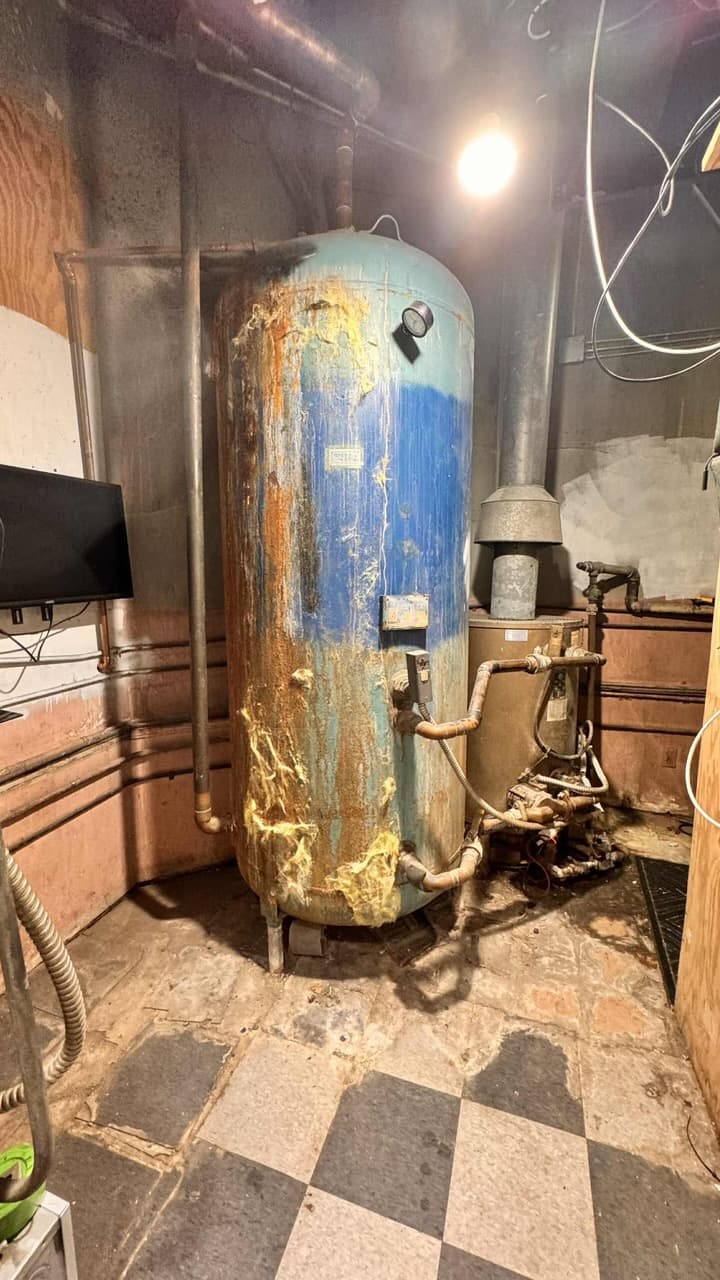
The damp is the culprit. A boiler room near the coast holds humid air for months, and idle burners, flame sensors, igniters and gas valves corrode while nobody is watching. Flue gas side components in non-condensing boilers pit when condensation forms during short off-season runs. Expansion tanks lose charge, circulator seals dry out and air gets into loops. On a hospital reheat system the symptom is overcooled patient rooms because the reheat coils have no hot water, and on a processing plant it is a sanitation schedule that cannot be met.
Our approach is a scheduled fall startup with combustion analysis, safety and low-water cutoff testing, pump and valve exercise, and a check of the hydronic loop for air and leaks, followed by a mid-season visit on buildings where heat is critical. Condensing boilers get their condensate neutralizers and drains checked, since fog-season condensate volume is higher than operators expect. Hospital and public-agency boiler work in Ventura County is often bid-level, and we document it to prevailing-wage standards. The water heaters and boilers guide covers combustion and safety basics.
Oxnard's climate and what it does to this equipment
Oxnard has one of the mildest climates in Southern California, with a persistent marine layer, cool nights, and summer highs that stay moderate near the water. The mildness is deceptive for equipment. Salt-laden air, morning fog and high humidity attack condenser coils, fasteners, cabinet panels and electrical terminals, while airborne farm dust and fine soil clog coils and filters during dry, windy stretches. Santa Ana wind events occasionally push hot, dry air to the coast and spike loads quickly. Systems here tend to fail from corrosion and fouling long before they fail from heat.
For the equipment background behind this page, read our water heaters and boilers guide or the full Boilers & Hydronic Heating service page.
- Agricultural packing and cold-storage corridorsPacking houses, coolers and processing buildings on the Oxnard Plain, where walk-in-scale and engineered refrigeration runs through harvest peaks.
- Port Hueneme and the Channel Islands Boulevard industrial beltMarine-adjacent warehouses, distribution and light industrial space in the harshest salt-air band of the city.
- The Collection at RiverPark and the EsplanadeOpen-air retail, restaurants, theaters and big-box tenants with dense rooftop equipment and heavy kitchen loads.
- Hospital and medical-office clustersAcute-care and outpatient buildings around the central city where reliable cooling, pressure relationships and hot water are non-negotiable.
- Combustion analysis and tuning with logged results
- Low-water cutoff, relief valve, and flame-safeguard testing
- Condensing and non-condensing boiler service
- Hydronic loop, pump, valve, and expansion-tank diagnostics
What a boiler & hydronic service visit includes, and the problems we most often find
- Review boiler type, age, fuel, and the loads it serves
- Inspect burners, heat exchanger surfaces, venting, and combustion air
- Run combustion analysis and adjust to manufacturer specifications
- Test safeties and controls; check loop pressure, flow, and water quality
- Document results and recommend repairs or replacement timing
- Poor combustion tuning wasting fuel and fouling heat exchangers
- Condensing boilers running with return temperatures too high to condense
- Air in the loop or failing pumps causing cold zones
- Untested safeties on older boilers with no maintenance records