Boiler & Hydronic Service in Thousand Oaks, CA
Boilers in Thousand Oaks mainly supply space heating, reheat and hot water for clinical and laboratory buildings. Because winters are mild, systems may idle for long periods and fail at first call, and humidity-controlled spaces depend on reheat to avoid overcooling. We service boilers, verify combustion and safeties, inspect pumps and valves, and run a seasonal startup that confirms the system is ready before the first cold week arrives.
An inland Conejo Valley city anchored by biotech and pharmaceutical campuses, Oaks Mall and Thousand Oaks Boulevard retail, suburban business parks and medical offices, with hot summers and real wildfire-smoke exposure.
How boiler & hydronic service work plays out in Thousand Oaks
Boilers in Thousand Oaks earn their keep in a short window. From roughly December through February the valley gets frosty mornings and a few genuinely cold weeks, and that is when heating water, reheat coils and domestic hot water boilers in medical, laboratory and hospitality buildings get asked to perform after sitting mostly idle since spring. Idle time is the enemy. Ignition components, gas valves, flame sensors and condensate neutralizers degrade quietly through a long dry summer, and the first cold morning is when they announce it.
The buildings that depend on hydronic heat here are not the obvious ones. Research and manufacturing buildings in Newbury Park and Rancho Conejo use reheat to hold humidity and prevent overcooling in controlled spaces, so a boiler problem in a lab shows up as a humidity excursion, not a cold room. Hospital-adjacent clinics near Los Robles use heating water for reheat and comfort in exam rooms. Hotels and senior living communities run boilers for domestic hot water volume. Schools in the Conejo Valley Unified School District footprint often have older hydronic systems that get the most attention when a public bid comes due.
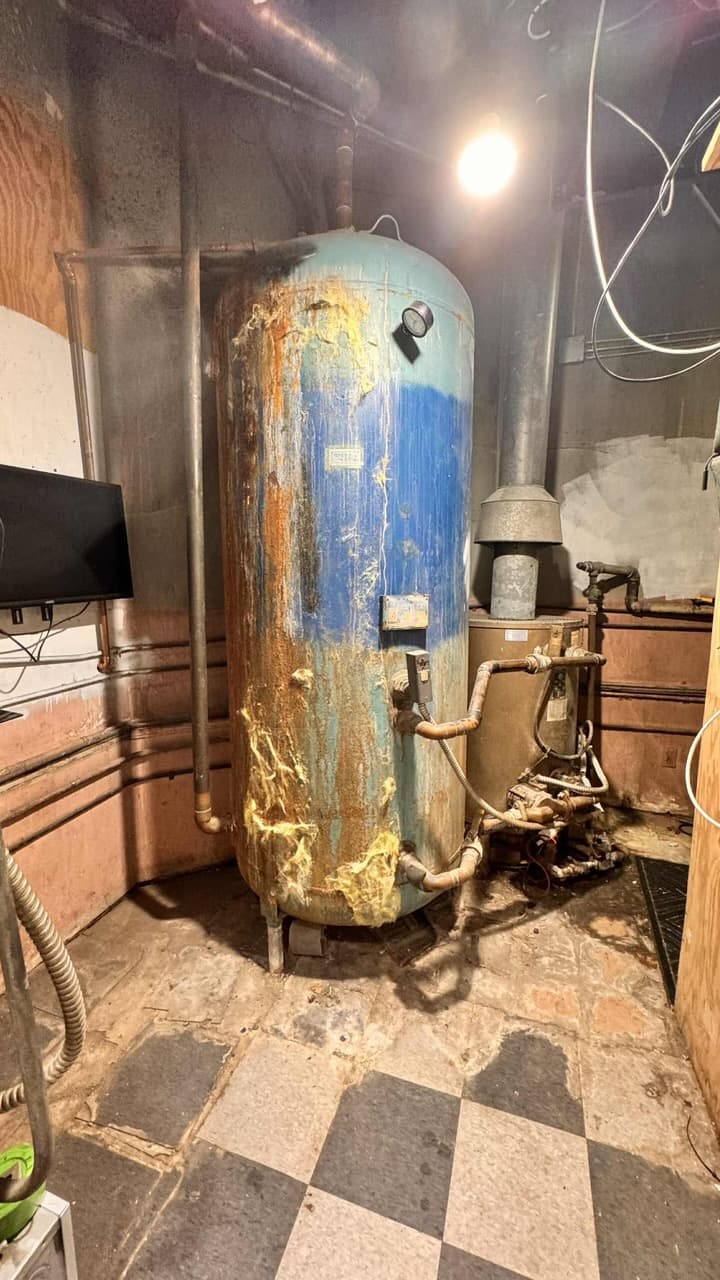
We run a fall startup that does the work before the weather forces it: combustion analysis, safety and limit testing, pump and valve exercise, expansion tank and relief inspection, and a check of the controls that stage the boilers. Condensing boilers get their condensate systems and heat exchangers inspected. Everything is documented so a quality or facilities team can show the system was proven ready. The water heaters and boilers guide covers the equipment side.
Thousand Oaks's climate and what it does to this equipment
Thousand Oaks is cut off from the ocean's moderating effect by the hills, so it runs noticeably hotter in summer than coastal Ventura County, with long stretches of high temperatures and cooling-dominated operation. Cool nights soften the cycle, but afternoon peaks push condensers and compressors hard, particularly on dark roofs. Fall brings Santa Ana winds and the area's history of wildfires, and smoke can foul filters and coat outdoor coils with ash. Winters are mild with occasional frost, so heating is modest but not negligible for medical and laboratory space.
For the equipment background behind this page, read our water heaters and boilers guide or the full Boilers & Hydronic Heating service page.
- Rancho Conejo and Conejo Valley business parksBiotech, pharmaceutical, light manufacturing and corporate buildings with precise cooling, humidity and exhaust requirements.
- Thousand Oaks Boulevard retail and diningRestaurants, specialty retail and small centers with numerous mid-size rooftop units and kitchen loads.
- Oaks Mall areaLarge-format retail and entertainment with big air handlers, long run hours and landlord-managed equipment.
- Los Robles and Conejo Valley medical officesHospital-adjacent clinics and outpatient buildings where cooling, ventilation and hot water must stay dependable.
- Combustion analysis and tuning with logged results
- Low-water cutoff, relief valve, and flame-safeguard testing
- Condensing and non-condensing boiler service
- Hydronic loop, pump, valve, and expansion-tank diagnostics
What a boiler & hydronic service visit includes, and the problems we most often find
- Review boiler type, age, fuel, and the loads it serves
- Inspect burners, heat exchanger surfaces, venting, and combustion air
- Run combustion analysis and adjust to manufacturer specifications
- Test safeties and controls; check loop pressure, flow, and water quality
- Document results and recommend repairs or replacement timing
- Poor combustion tuning wasting fuel and fouling heat exchangers
- Condensing boilers running with return temperatures too high to condense
- Air in the loop or failing pumps causing cold zones
- Untested safeties on older boilers with no maintenance records