Commercial Water Heaters in Santa Ana, CA
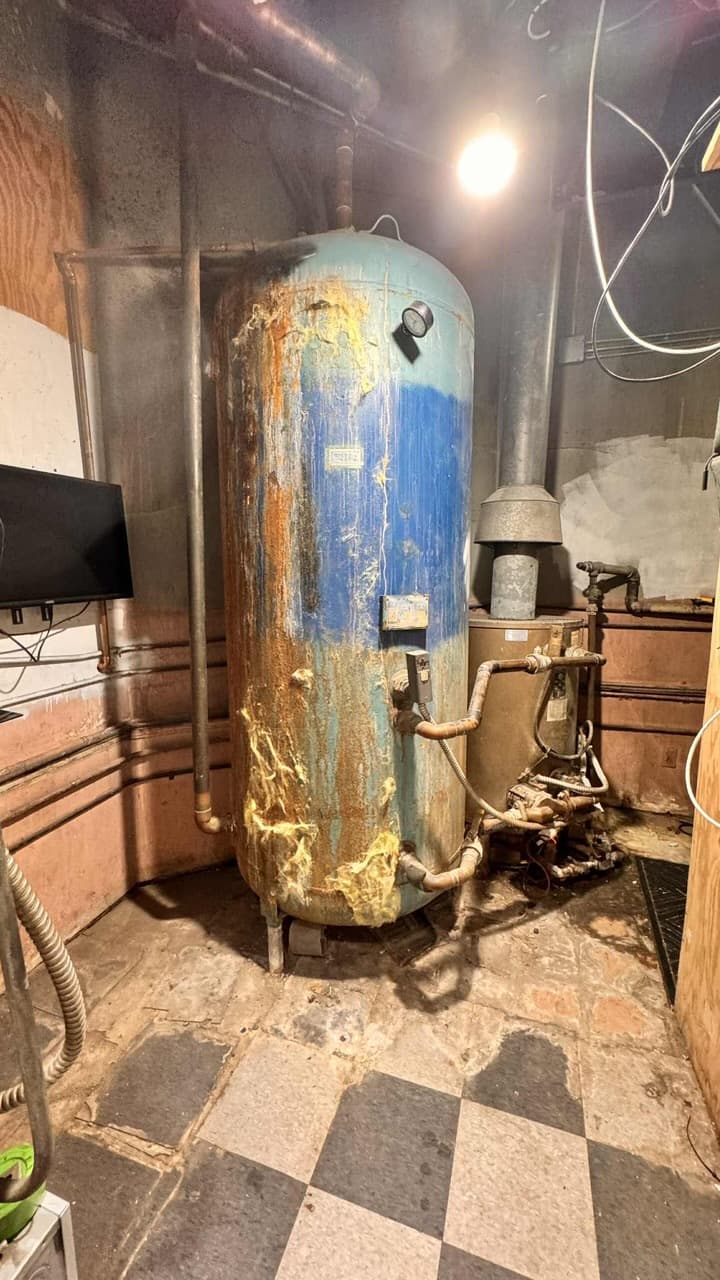
Water heating in older Santa Ana buildings hides problems well. Flues that were adequate for a smaller heater, gas lines tapped decades ago, and combustion air louvers blocked by storage all show up when we open a mechanical room. We test burner operation and venting, check relief and expansion arrangements, and measure delivered temperature at distant fixtures. Replacement proposals describe code-driven work in plain language and mention current air-district rules, which should be confirmed before ordering. For institutions, we coordinate shutdowns so restrooms and kitchens are not left dry.
Orange County's seat — government buildings, courts, and downtown commercial blocks with older mechanical rooms that need documented, code-ready service.
How commercial water heaters work plays out in Santa Ana
Hot water complaints in Santa Ana often trace back to a water heater installed in a mechanical closet that was built for a smaller unit and never upgraded for venting. Downtown restaurants running dish machines, hotels and office buildings in South Coast Metro, laundromats on the Harbor and Main corridors, and public buildings with locker rooms and cafeterias all depend on recovery capacity that an aging tank can no longer deliver. When the call comes in, the first things we inspect are the flue and combustion air, because a failed heater in a tight Santa Ana closet is sometimes a symptom of a venting problem that has been quietly corroding the unit for years.
Replacement in this city is rarely a straight swap. Gas line sizing, regulator capacity, condensate handling for condensing units, seismic strapping and the vent termination all get checked against current code, and older buildings frequently need one or more corrected. For restaurants, we size for the dish machine's actual sanitizing demand and the peak hour, and we look at recirculation so the far fixtures do not run cold while the staff waits.
Public buildings and schools bring a different set of questions: scald protection and mixing valves, tankless banks sized for intermittent heavy use, and documentation on the permit and inspection. Our water heater and boiler guide walks through how we size and what we check, and commercial water heaters covers the service itself.
Santa Ana's climate and what it does to this equipment
Santa Ana is central basin: warm summers, dust from industrial activity, and urban heat island effects that keep rooftops hot into the evening.
For the equipment background behind this page, read our water heaters and boilers guide or the full Commercial Water Heaters service page.
- Civic Center and downtownGovernment buildings, courts, and older commercial blocks with legacy mechanical rooms.
- Bristol Street retail corridorLarge retail and restaurant tenants with high refrigeration and RTU counts.
- South Coast Metro area (shared with Costa Mesa)Offices and hotels near major shopping destinations.
- Industrial and manufacturing districtsProcess cooling, ventilation, and large rooftop heating and cooling.
- Combustion/ignition or element checks with descaling
- Venting, gas/electrical, condensate, and expansion tank review
- Temperature set-points confirmed for safety and code
- DaVinci Portal: full service history and proof-of-work on file
What a commercial water heaters visit includes, and the problems we most often find
- Check current output against actual peak demand, not just spec-sheet capacity
- Inspect combustion/ignition or heating elements and descale as needed
- Confirm venting, gas/electrical, and condensate are code-correct
- Set and verify temperature set-points for safety and code compliance
- Document the visit — proof-of-work you can show for inspection
- Undersized units that were never sized to actual peak demand
- Scale buildup reducing efficiency and shortening element/heat-exchanger life
- Venting or gas line sizing that doesn't match the installed unit
- Aging tanks nearing end of service life with no replacement plan in place