Commercial Water Heaters in Tustin, CA
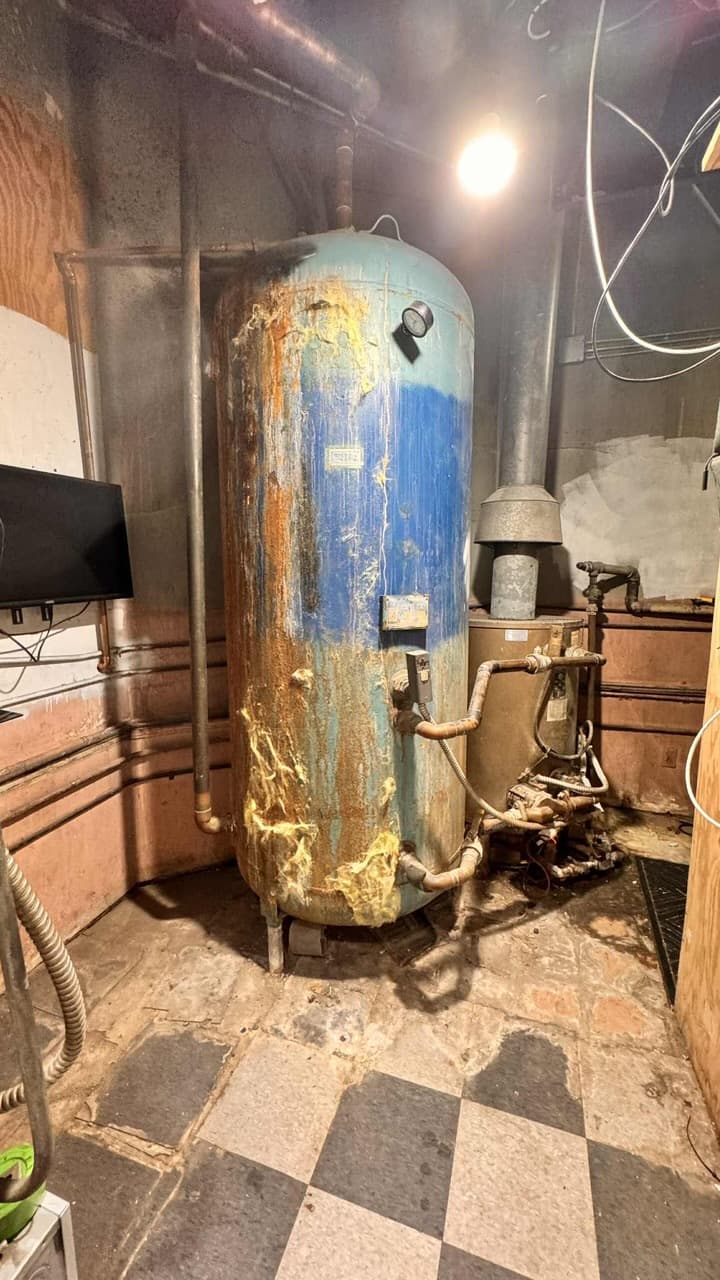
Water heating in Tustin ranges from condensing units in recent mixed-use buildings to long-running atmospheric tanks in older medical and retail suites. Newer condensing equipment tends to fail quietly: scale on the heat exchanger, a blocked condensate drain, or a neutralizer that has gone unchanged. Older tanks fail from sediment and corroded fittings. We service according to type, document burner readings and flue conditions, and verify recirculation pumps and mixing valves. When replacement is planned, we help compare like-for-like against lower-emission options, with owners confirming current air district requirements before final selection.
Growing office and retail development around the Tustin Legacy and Market Place corridors.
How commercial water heaters work plays out in Tustin
Hot water demand in Tustin is heaviest in three places: the restaurant kitchens at The Market Place and The District, the medical and dental suites along Red Hill and at the Village at Tustin Legacy, and the salons and fitness tenants scattered through the strips on Newport Avenue and Irvine Boulevard. Each has a different failure pattern. Restaurants burn through recovery capacity during the dish cycle and complain about temperature dropping mid-shift. Medical suites need reliable temperature at the fixture and often have a recirculation loop that nobody has balanced since construction. Salons and gyms run long continuous draws that expose an undersized or sediment-filled tank quickly.
The hardness of local water matters here as much as it does for ice machines. Tank-type heaters build sediment that insulates the burner from the water, pushes flue temperatures up and shortens life; tankless units scale on the heat exchanger and begin throwing error codes or short cycling. On newer Legacy buildings we see condensing tankless banks that were installed correctly but never descaled, and on the older strips we see 20-year-old tanks with original anodes.
A replacement in Tustin runs through City of Tustin permitting and, for gas units, the SCAQMD rules on low-NOx equipment, which we confirm against current requirements for each project. The useful outcome is a system sized for the actual draw profile with a recirculation setup that delivers temperature at the far fixture without wasting gas, plus a descaling or flushing interval written into the maintenance plan. The water heaters and boilers guide explains sizing and the tank versus tankless decision in more depth.
Tustin's climate and what it does to this equipment
Tustin is warm central basin with moderate humidity; less coastal influence than Costa Mesa or Newport Beach, so heat and dust matter more than salt.
For the equipment background behind this page, read our water heaters and boilers guide or the full Commercial Water Heaters service page.
- Tustin LegacyNewer retail, restaurant, office, and mixed-use development.
- The Market PlaceLarge retail and restaurant tenants with high refrigeration and RTU loads.
- Old Town Tustin and Newport AvenueOlder small commercial buildings and professional offices.
- Red Hill and Edinger corridorsMedical office, retail, and light-industrial users.
- Combustion/ignition or element checks with descaling
- Venting, gas/electrical, condensate, and expansion tank review
- Temperature set-points confirmed for safety and code
- DaVinci Portal: full service history and proof-of-work on file
What a commercial water heaters visit includes, and the problems we most often find
- Check current output against actual peak demand, not just spec-sheet capacity
- Inspect combustion/ignition or heating elements and descale as needed
- Confirm venting, gas/electrical, and condensate are code-correct
- Set and verify temperature set-points for safety and code compliance
- Document the visit — proof-of-work you can show for inspection
- Undersized units that were never sized to actual peak demand
- Scale buildup reducing efficiency and shortening element/heat-exchanger life
- Venting or gas line sizing that doesn't match the installed unit
- Aging tanks nearing end of service life with no replacement plan in place