Maintenance Plans in Chula Vista, CA
A plan in Chula Vista depends on the site. Bayfront properties benefit from closer coil and electrical inspections because of salt, Otay Ranch retail needs routine filter and belt service tied to tenant churn, and Otay Mesa warehouses need ventilation and rooftop checks aligned with logistics schedules. Our quarterly, bi-annual and annual plans are tailored accordingly and documented in the DaVinci Portal.
South Bay's largest city, mixing Otay Ranch and EastLake retail and office, a bayfront redevelopment area, hospitals, and Otay Mesa industrial and logistics space tied to the border.
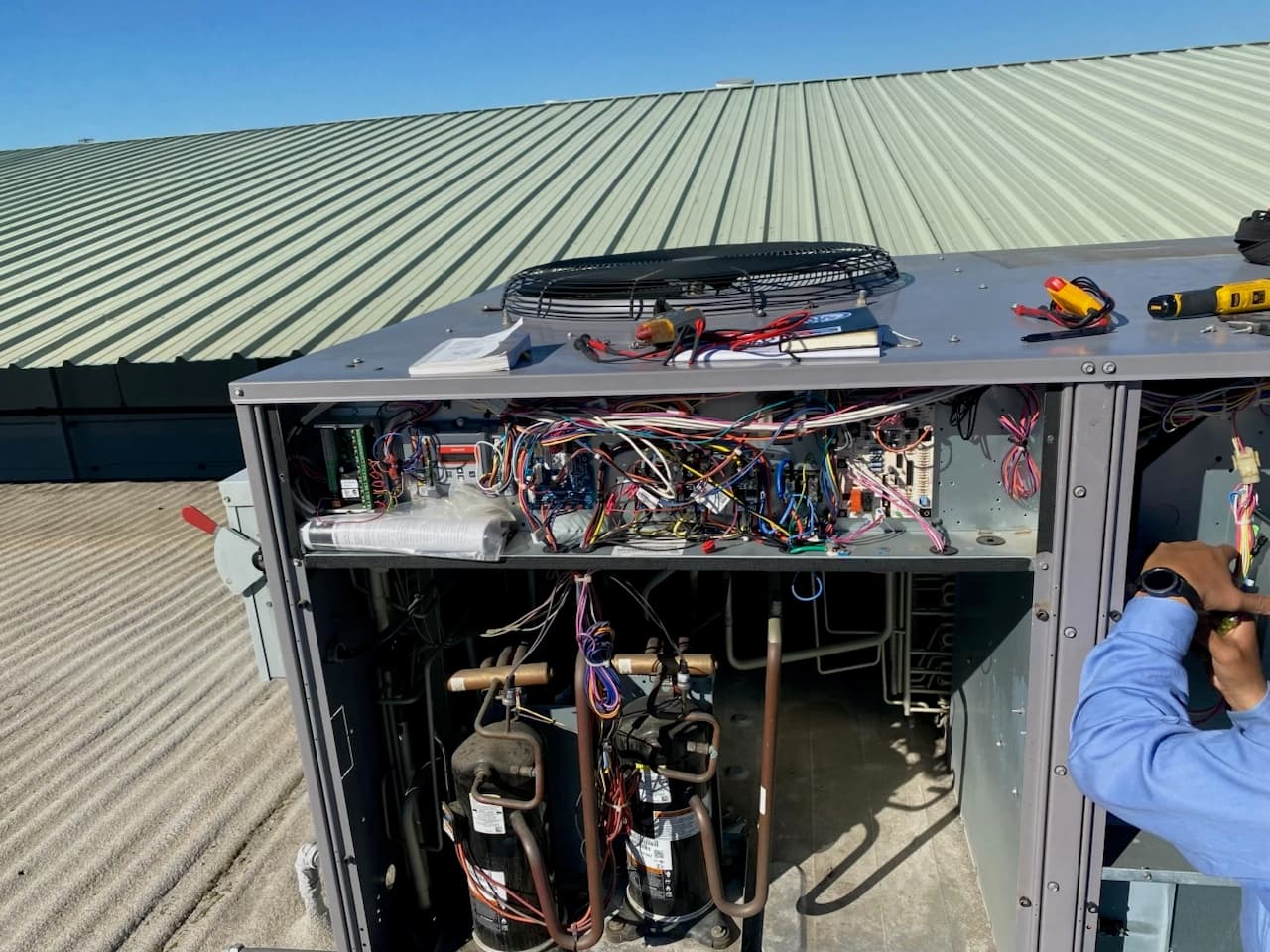
How maintenance plans work plays out in Chula Vista
The same program does not fit both ends of Chula Vista, and a good plan says so. A bayfront hotel or marina restaurant needs coil rinsing, panel sealing, corroded-hardware replacement and drain service on a quarterly cadence because the air is working against the equipment every day. An Otay Ranch or EastLake retail center with a fleet of mid-life rooftop units needs filters, belts, economizer verification and a steady accumulation of readings that turn into a replacement plan. A Main Street warehouse needs ventilation fans, a few office units and a schedule that respects shipping hours.
What ties them together is the owner. Chula Vista has an unusual number of multi-site operators, from property managers with several centers across the east side to school districts, health systems and logistics firms with buildings in more than one part of the city. For them the value of a program is the single record: every unit tagged, every visit uploaded to the DaVinci Portal, and a portfolio view of which roofs are aging fastest. Replacement budgeting becomes a review of readings rather than a reaction to the last failure.
Timing follows the geography as well. Eastern properties get their spring visits early, before the inland warm season starts in May; bayfront properties spread corrosion inspections through the year rather than concentrating them. Fall visits shift to heating, economizer operation in the mild months and schedule corrections after tenant changes. The plans page describes the quarterly, bi-annual and annual tiers, and the maintenance program guide explains what each visit should include.
Chula Vista's climate and what it does to this equipment
Chula Vista runs from coastal to near-inland within a few miles. Properties near the bay sit in marine air with moderate temperatures, humidity and salt exposure that corrodes coils and enclosures over time. Move east toward Otay Ranch and EastLake and the marine layer thins, summers get warmer and afternoon cooling loads climb. Otay Mesa is exposed, windy and dusty, with warm summers and sun-baked roofs that load rooftop equipment heavily. Heat events and late-season Santa Ana winds can push all of these areas beyond ordinary design conditions, especially for older or undersized systems.
For the equipment background behind this page, read our preventive maintenance program guide or the full Commercial Maintenance Plans service page.
- Otay Ranch and EastLakeNewer retail, restaurant, medical and professional buildings, many with rooftop equipment approaching mid-life and warmer inland exposure.
- Bayfront redevelopment areaA shoreline transitioning from industrial to hospitality, civic and mixed-use, with new construction alongside older buildings exposed to bay air.
- Otay Mesa industrial and logisticsWarehouses, distribution and light manufacturing buildings with large open volumes, loading docks and ventilation or cooling needs tied to cross-border logistics.
- Medical campusesHospitals and surrounding medical offices that rely on continuous cooling, reheat, hot water and well-documented maintenance.
- Free diagnostic on repairs for plan members
- Included labor per tier, with a member rate for anything over
- Photo-logged reports with temps, pressures, and amp draws
- DaVinci Portal included with QR tracking and self-service scheduling
What a maintenance plans visit includes, and the problems we most often find
- Walk every covered asset — RTUs, refrigeration, ice machines, water heaters
- Take and log readings against each unit's history, not a generic checklist
- Flag anything trending toward failure before it becomes a breakdown
- Deliver a photo-logged report after every visit
- Free diagnostic on any repair that comes out of the visit
- Equipment that 'seemed fine' failing without any maintenance history to catch the trend
- Multiple pieces of equipment aging out around the same time with no replacement plan
- Surprise repair costs that a documented PM history would have flagged months earlier
- Multi-location accounts with no consistent record across sites
Maintenance tiers for Chula Vista properties
Chula Vista plans should reflect the city's range: closer corrosion checks for bayfront sites, filter and electrical routines for Otay Ranch and EastLake retail, and ventilation-focused service for Otay Mesa logistics buildings.
See maintenance plan tiers