Commercial Water Heaters in Chula Vista, CA
Hospitals, medical offices, hotels and restaurants in Chula Vista all need reliable hot water, and Otay Mesa industrial buildings often have wash stations, break rooms and process needs. Scale from local water supply can reduce efficiency in tanks and heat exchangers. We size, install and service tank and tankless equipment, check venting, recirculation and mixing, and plan flushing routines.
South Bay's largest city, mixing Otay Ranch and EastLake retail and office, a bayfront redevelopment area, hospitals, and Otay Mesa industrial and logistics space tied to the border.
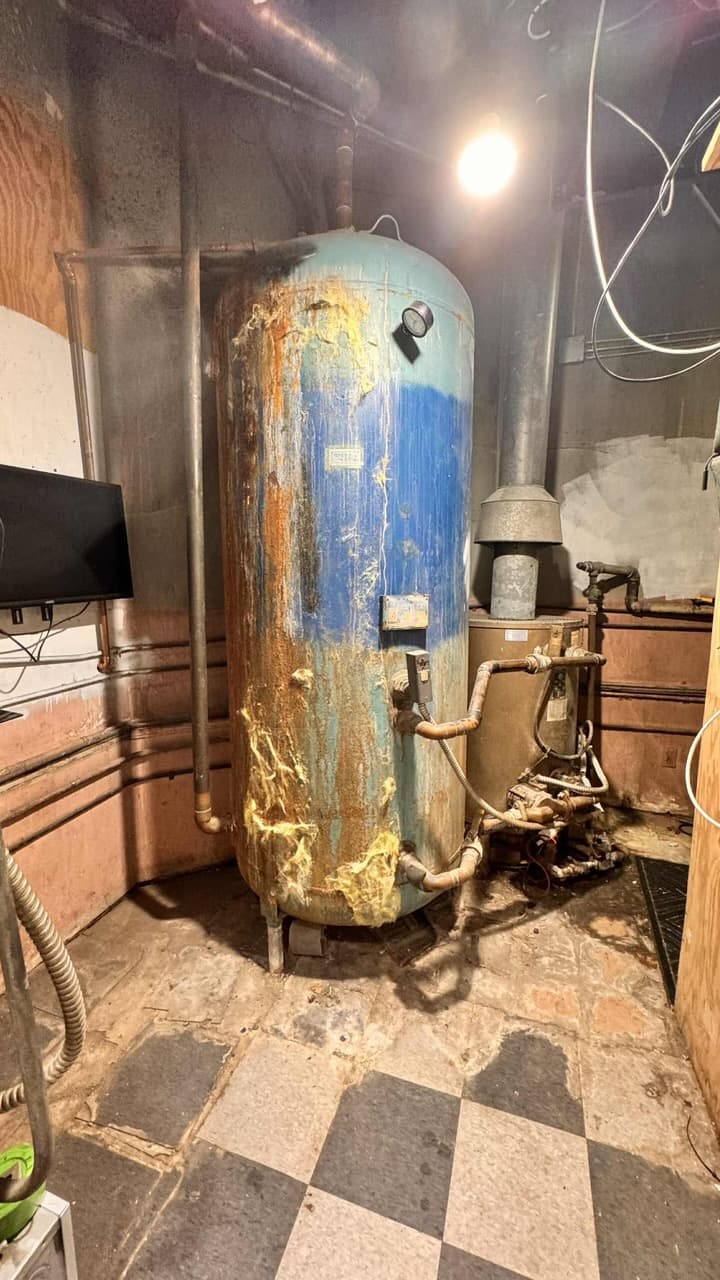
How commercial water heaters work plays out in Chula Vista
The hospitality buildings on the Chula Vista bayfront set the top of the demand curve: hundreds of rooms, banquet kitchens, laundry and pools draw on large central plants with recirculation loops that have to deliver at distant fixtures without delay. These systems need treatment for the water, attention to the recirculation balance and protection for any exterior components from bay air. A failure on a convention weekend is highly visible, so these plants benefit from redundancy, monitoring and a maintenance record that shows the system was tested, not just assumed.
Across the city, the medical sector asks for control more than volume. Two hospital campuses and the medical office buildings around them, plus clinics in Otay Ranch, EastLake and along the west-side corridors, need mixing valves set and verified, recirculation reaching every fixture and documented temperature checks that satisfy an auditor. Restaurants in the eastern centers and on Third Avenue need recovery that keeps a dish machine at temperature through a busy service, usually from a tankless bank or a tank with recirculation in a cramped back room.
Industrial buildings along Main Street and toward Otay Mesa add wash stations, break rooms and occasional process hot water, often from heaters installed when the building was a shell and never revisited as the tenant changed. We size and install tank and tankless equipment, verify venting, gas supply and combustion air, set recirculation and mixing and plan a flushing schedule based on local water hardness. The water heaters and boilers guide covers the choices.
Chula Vista's climate and what it does to this equipment
Chula Vista runs from coastal to near-inland within a few miles. Properties near the bay sit in marine air with moderate temperatures, humidity and salt exposure that corrodes coils and enclosures over time. Move east toward Otay Ranch and EastLake and the marine layer thins, summers get warmer and afternoon cooling loads climb. Otay Mesa is exposed, windy and dusty, with warm summers and sun-baked roofs that load rooftop equipment heavily. Heat events and late-season Santa Ana winds can push all of these areas beyond ordinary design conditions, especially for older or undersized systems.
For the equipment background behind this page, read our water heaters and boilers guide or the full Commercial Water Heaters service page.
- Otay Ranch and EastLakeNewer retail, restaurant, medical and professional buildings, many with rooftop equipment approaching mid-life and warmer inland exposure.
- Bayfront redevelopment areaA shoreline transitioning from industrial to hospitality, civic and mixed-use, with new construction alongside older buildings exposed to bay air.
- Otay Mesa industrial and logisticsWarehouses, distribution and light manufacturing buildings with large open volumes, loading docks and ventilation or cooling needs tied to cross-border logistics.
- Medical campusesHospitals and surrounding medical offices that rely on continuous cooling, reheat, hot water and well-documented maintenance.
- Combustion/ignition or element checks with descaling
- Venting, gas/electrical, condensate, and expansion tank review
- Temperature set-points confirmed for safety and code
- DaVinci Portal: full service history and proof-of-work on file
What a commercial water heaters visit includes, and the problems we most often find
- Check current output against actual peak demand, not just spec-sheet capacity
- Inspect combustion/ignition or heating elements and descale as needed
- Confirm venting, gas/electrical, and condensate are code-correct
- Set and verify temperature set-points for safety and code compliance
- Document the visit — proof-of-work you can show for inspection
- Undersized units that were never sized to actual peak demand
- Scale buildup reducing efficiency and shortening element/heat-exchanger life
- Venting or gas line sizing that doesn't match the installed unit
- Aging tanks nearing end of service life with no replacement plan in place