VRF & Split System Service in Thousand Oaks, CA
Conejo Valley medical offices, small laboratories, server and electrical rooms, and tenant improvements with limited ductwork are well matched to VRF and ductless splits. In the valley's heat, outdoor units need adequate clearance and shade-aware placement to keep capacity up on peak days. We plan zoning for different tenants, condensate disposal and refrigerant safety limits, and commission systems with documented readings so operators know what normal looks like.
An inland Conejo Valley city anchored by biotech and pharmaceutical campuses, Oaks Mall and Thousand Oaks Boulevard retail, suburban business parks and medical offices, with hot summers and real wildfire-smoke exposure.
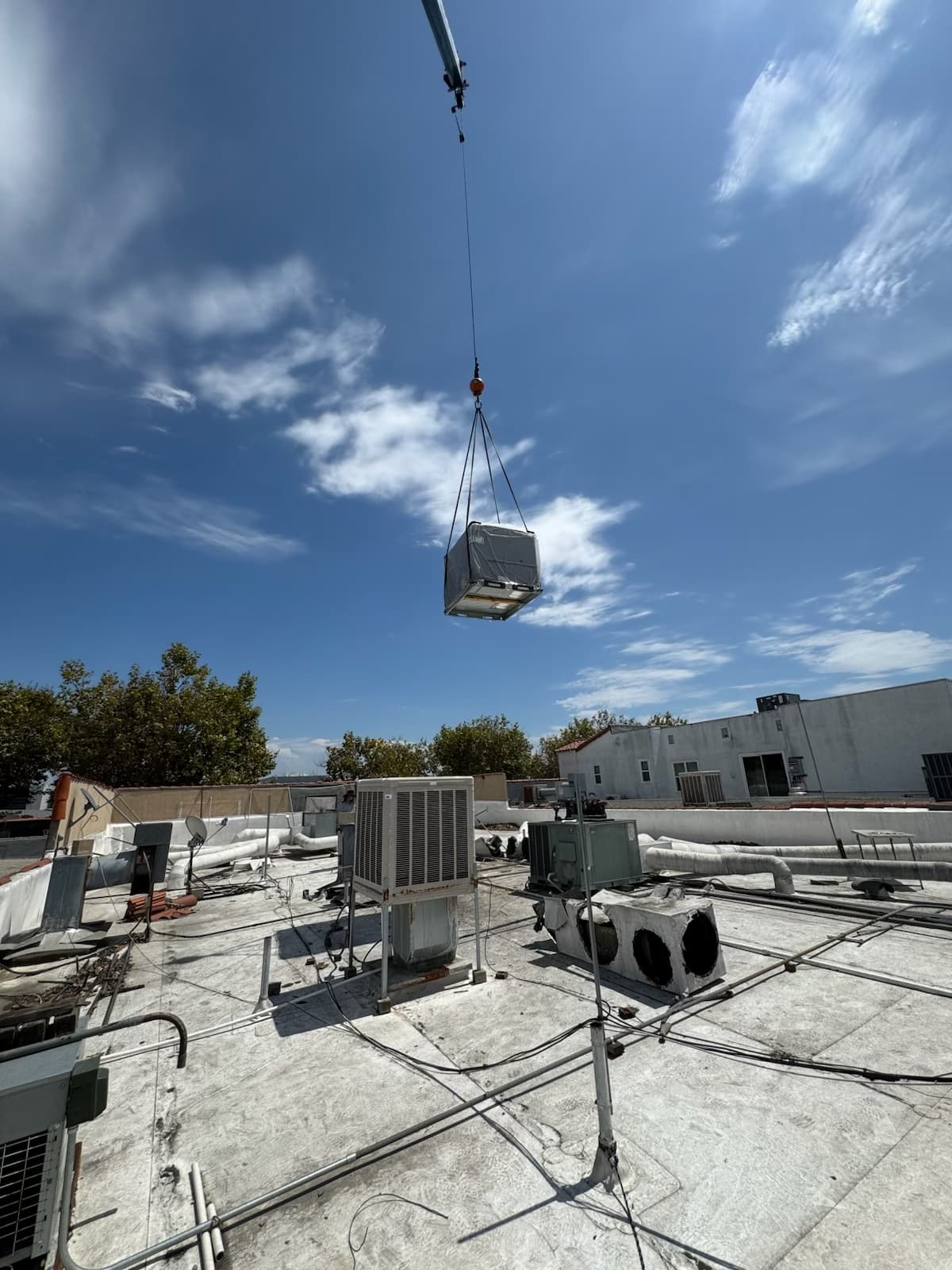
How vrf & split system service work plays out in Thousand Oaks
The tenant improvement is where VRF and ductless systems enter most Thousand Oaks buildings. A medical group takes a suite near Los Robles and needs independent control in each exam room; a research company fits out a small lab in a Newbury Park flex building and needs a server closet and an instrument room cooled around the clock while the rest of the floor follows a schedule; a corporate tenant along the 101 converts a conference room into a dense huddle-room cluster. In each case the existing rooftop unit and duct system cannot zone that finely, and a VRF or multi-split system does it without tearing out ceilings.
The valley's heat shapes the design. Outdoor units in a Conejo Valley equipment yard or on a dark roof see peak afternoon temperatures that reduce capacity, so we check performance data at the local design condition, give the condensers real clearance and, where possible, shade or an orientation that avoids the worst afternoon sun. Long line sets up through business park buildings need correct sizing and refrigerant charge calculations, and the refrigerant quantity in any occupied room has to stay within the applicable safety limits, which is a live question in small exam rooms and offices. Condensate from many indoor units needs a planned path, since a pump failure above a finished ceiling is an expensive surprise.
Commissioning is the part that separates a system that works from one that merely runs: documented readings on every indoor unit, controller zoning that matches how the tenant uses the space, and a Portal record for the whole system. The VRF and split systems service page covers the broader options.
Thousand Oaks's climate and what it does to this equipment
Thousand Oaks is cut off from the ocean's moderating effect by the hills, so it runs noticeably hotter in summer than coastal Ventura County, with long stretches of high temperatures and cooling-dominated operation. Cool nights soften the cycle, but afternoon peaks push condensers and compressors hard, particularly on dark roofs. Fall brings Santa Ana winds and the area's history of wildfires, and smoke can foul filters and coat outdoor coils with ash. Winters are mild with occasional frost, so heating is modest but not negligible for medical and laboratory space.
For the equipment background behind this page, read our VRF vs. RTU vs. split systems guide or the full VRF & Commercial Split Systems service page.
- Rancho Conejo and Conejo Valley business parksBiotech, pharmaceutical, light manufacturing and corporate buildings with precise cooling, humidity and exhaust requirements.
- Thousand Oaks Boulevard retail and diningRestaurants, specialty retail and small centers with numerous mid-size rooftop units and kitchen loads.
- Oaks Mall areaLarge-format retail and entertainment with big air handlers, long run hours and landlord-managed equipment.
- Los Robles and Conejo Valley medical officesHospital-adjacent clinics and outpatient buildings where cooling, ventilation and hot water must stay dependable.
- VRF and multi-split service with refrigerant circuit diagnostics
- Ductless mini-split installation for server rooms, tenant spaces, and additions
- Controller, communication, and zoning troubleshooting
- Documented startup and commissioning
What a vrf & split system service visit includes, and the problems we most often find
- Review the system layout: outdoor units, branch controllers, and indoor units
- Read refrigerant-circuit data and communication status
- Inspect drains, filters, coils, and line sets
- Correct the fault and re-verify operation across zones
- Document the system layout and readings by unit
- Communication faults between indoor units, branch boxes, and outdoor units
- Condensate pumps and drains failing in ceiling cassettes
- Refrigerant leaks in long line sets and field joints
- Zones fighting each other because of control setup