Ice Machine Service in Fountain Valley, CA
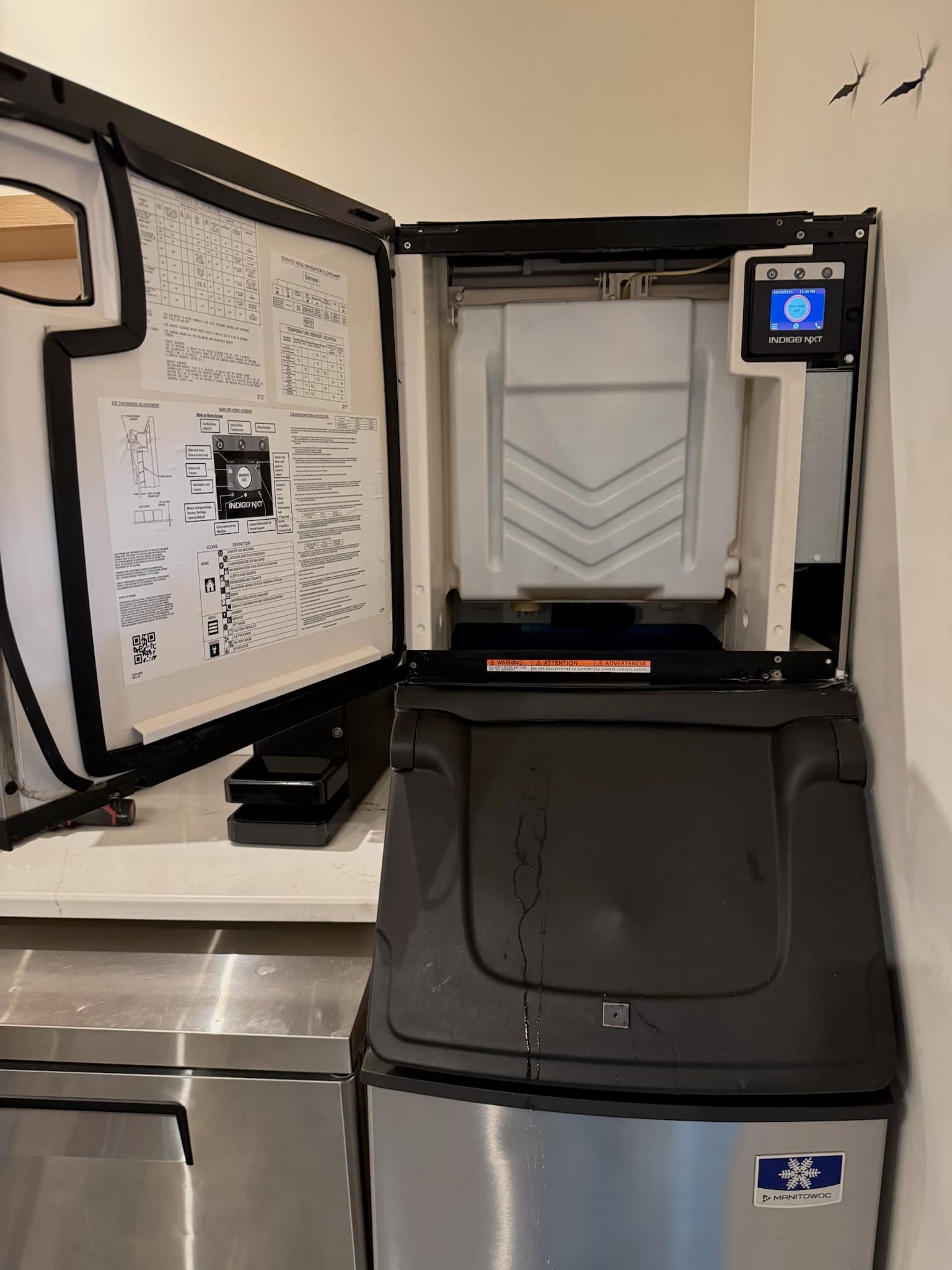
Healthcare cafeterias, patient-care areas, and restaurants in Fountain Valley all use ice, but their risk profiles differ. Clinical settings are sensitive to contamination, so cleaning method and documentation carry weight. We follow manufacturer procedures, use appropriate sanitizing solutions, inspect water filtration, and check for biofilm in places easy to overlook, such as bin doors, chutes, and sensor housings. Each cleaning produces a dated record with photographs and test results, which an infection-control reviewer or restaurant inspector can read quickly. Machines showing chronic problems are flagged for repair or replacement rather than endlessly re-cleaned.
Medical office and light-industrial space near the 405/22 interchange.
How ice machine service work plays out in Fountain Valley
Ice in Fountain Valley is consumed in three very different settings. Hospital cafeterias and nursing units use it around the clock and treat it as a patient-contact item. Restaurants on Brookhurst, Warner, and Harbor run it through drink service and seafood display. Offices and clinics along Euclid and Talbert keep a smaller machine in a break room that nobody thinks about until it stops. Each setting has its own sanitation expectations, and the cleaning procedure that satisfies a restaurant inspector is not the same one an infection-control nurse will accept.
The failure pattern we see most often in this city is not heat related. Fountain Valley's mild air is kind to condensers, so machines here more often suffer from water quality, poor placement, and infrequent cleaning. Scale from municipal water builds on evaporator plates and slows harvest, filters go unchanged for years, and machines tucked into closets or under counters recirculate their own warm exhaust. A machine in a back hallway of a medical office building can lose a meaningful share of its capacity simply because the room has no air exchange.
Our visits begin with placement and ventilation, then move through descaling, sanitizing, filter replacement, and a check of the harvest cycle and bin controls. For healthcare clients we document the sanitizer concentration and contact time; for restaurants we leave a dated log that reads clearly at a glance. The ice machine guide outlines what a complete cleaning should include so you can tell whether past service was thorough.
Fountain Valley's climate and what it does to this equipment
Fountain Valley sits in the central basin, with mild coastal influence, moderate summers, and little extreme heat.
For the equipment background behind this page, read our commercial ice machine guide or the full Ice Machines — Service & Sanitation service page.
- Hospital and medical campus areaMedical office and clinical spaces.
- Industrial parks near the 405/22Light-industrial and flex with large RTUs.
- Brookhurst and Warner retailRestaurants and retail centers.
- Euclid and Talbert corridorsOffices and professional services.
- Scale removal, deep sanitation, and filter change-out programs
- Bin sensors, harvest cycles, pumps, and valves checked
- OEM-spec readings taken against manufacturer PM intervals
- DaVinci Portal: photo-logged cleanings and reminder scheduling
What a ice machine service visit includes, and the problems we most often find
- Check ice quality, production rate, and bin sensor operation
- Full descale of water lines and evaporator plate
- Sanitize all food-contact surfaces per manufacturer spec
- Inspect water filtration and replace if due
- Photo-document the cleaning for your compliance records
- Scale buildup from hard water slowing production and clouding ice
- Bin sensors misreading and causing over- or under-production
- Water filters overdue for change, affecting both taste and machine health
- Visible slime or mold in the bin — the most common health-inspection flag