Kitchen Ventilation & Make-Up Air in Fountain Valley, CA
Along Brookhurst and Warner, restaurants share space with retail, while the hospital's cafeteria and staff dining areas have their own kitchens with particular rules about air movement. In both settings the principle is the same: kitchens should draw air in, not push smoke out. We balance exhaust and make-up air and verify pressure relationships with adjacent rooms. Rather than guessing, we leave a diagram of airflow directions behind, so a future remodel or tenant change does not accidentally reverse the pressure.
Medical office and light-industrial space near the 405/22 interchange.
How kitchen ventilation & make-up air work plays out in Fountain Valley
Walk into a restaurant on Brookhurst during the dinner rush and you can often tell within seconds whether its ventilation is balanced. If the front door is hard to pull open and the dining room smells like the wok line, the kitchen is pulling more air out than the building lets in, and the make-up air unit is either undersized, broken, or was never connected to the hood controls. Fountain Valley's restaurant stock is dense with high-heat cooking, from pho kitchens running stock pots all day to grill and wok lines in small storefronts, and the hoods were often installed by a previous tenant for a different menu.
The second group of kitchens belongs to the hospital campuses, where cafeterias and patient food service operate under stricter air-movement expectations and the kitchen's pressure relationship to adjacent corridors matters as much as smoke capture. Here we work with the facilities team rather than the chef, and every adjustment is documented against the building's existing airflow records.
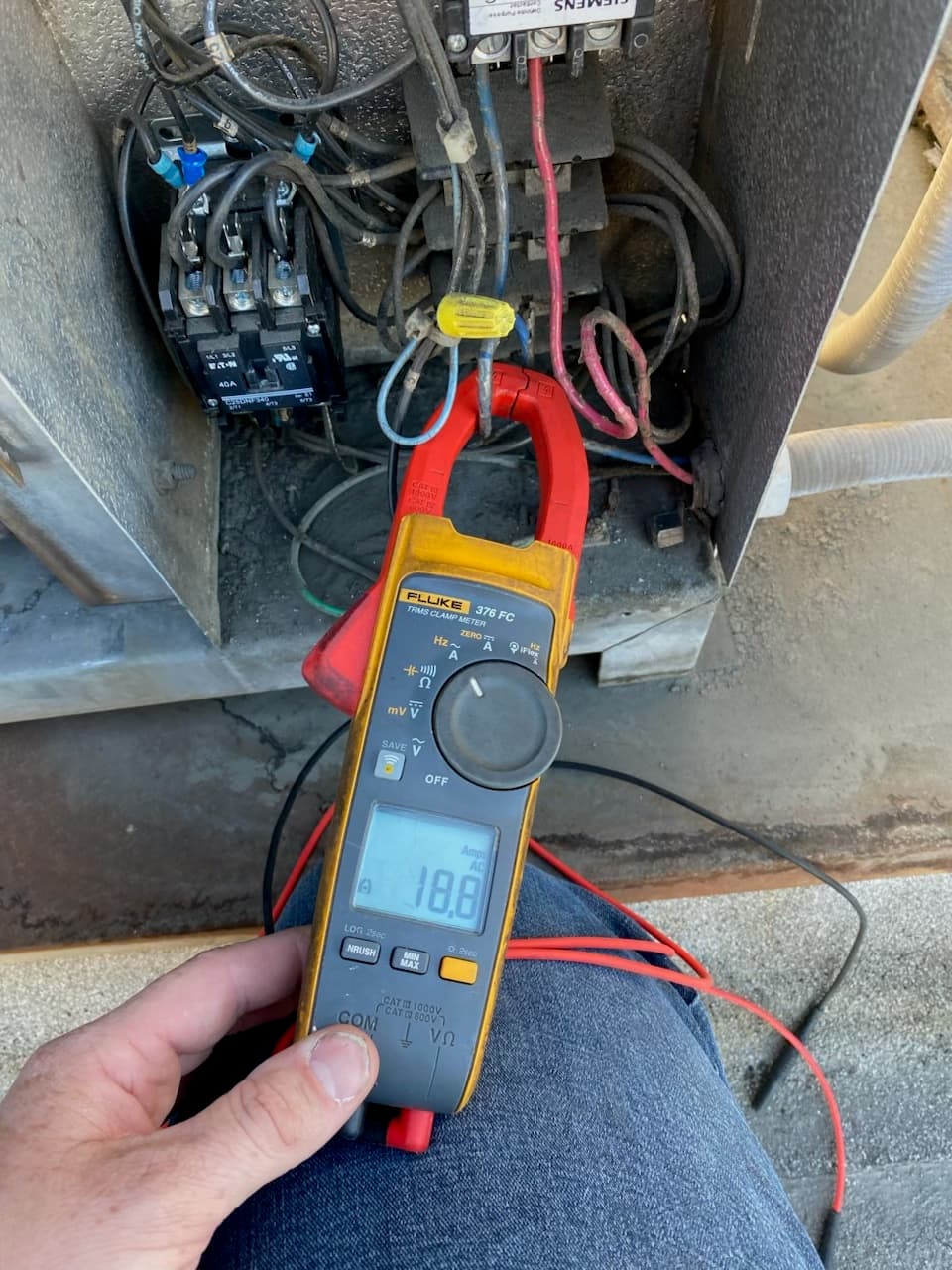
A balance visit in this city follows the same sequence everywhere: verify exhaust fan performance and belt condition, confirm the make-up air unit actually runs with the hood, measure pressure at the kitchen door and at the dining room entrance, and adjust until the kitchen is slightly negative to the dining room and the dining room is slightly positive to outdoors. We leave a one-page airflow diagram with arrows so the next remodel does not undo it. The kitchen ventilation guide explains the targets in more detail. Hood and duct cleaning is a separate trade and not something we perform.
Fountain Valley's climate and what it does to this equipment
Fountain Valley sits in the central basin, with mild coastal influence, moderate summers, and little extreme heat.
For the equipment background behind this page, read our kitchen ventilation and make-up air guide or the full Kitchen Ventilation & Make-Up Air service page.
- Hospital and medical campus areaMedical office and clinical spaces.
- Industrial parks near the 405/22Light-industrial and flex with large RTUs.
- Brookhurst and Warner retailRestaurants and retail centers.
- Euclid and Talbert corridorsOffices and professional services.
- Make-up air unit service, repair, and replacement
- Exhaust fan belts, motors, and airflow verification
- Kitchen-to-dining pressure balance so doors and hoods behave
- Documented readings, not guesses, on airflow and temperature
What a kitchen ventilation & make-up air visit includes, and the problems we most often find
- Walk the kitchen during or near service to see what the building actually does
- Measure exhaust and make-up airflow, temperatures, and building pressure
- Inspect fans, belts, motors, dampers, burners, and controls
- Repair or adjust, then re-measure to confirm the balance
- Document results and flag items for the hood-cleaning and fire-protection vendors to handle
- Make-up air that is undersized or off, pulling conditioned air from the dining room
- Exhaust fan belts and bearings worn, cutting airflow below what the hood needs
- Kitchens running negative, causing hard-to-open doors, drafts, and burner issues
- Make-up air units with failed burners or controls during cold or hot weather