Commercial Water Heaters in Huntington Beach, CA
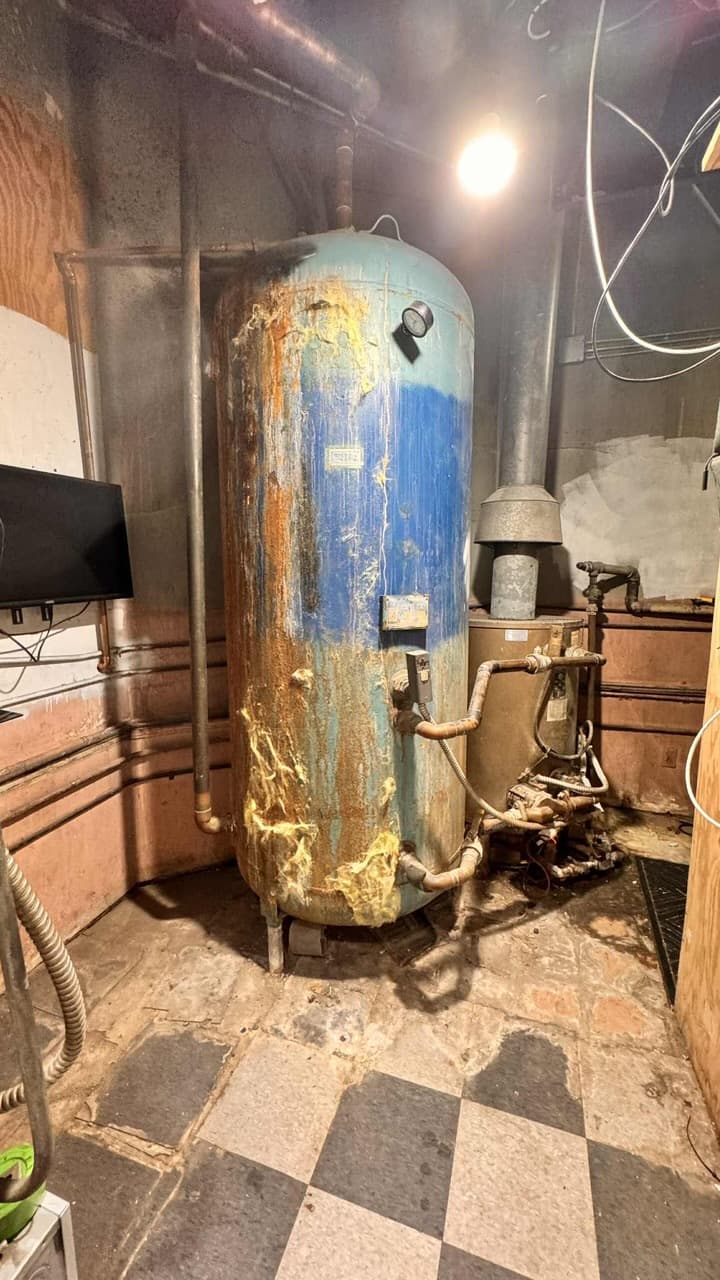
Salt air does quiet damage to water heaters long before a leak appears: rusted vent collars, corroded gas connections, and combustion air openings clogged with debris. Hotels along Pacific Coast Highway and restaurants near the pier lean hard on these systems, and failures in tourist season are costly in lost service. We check combustion, venting, drain valves, and temperature delivery, then recommend replacement before the tank reaches the end of its useful life. The handover includes the unit's data, venting notes, and setpoints, so a future technician can pick up where we left off.
Coastal retail, hospitality, and office space where salt-air corrosion shortens equipment life without regular PM.
How commercial water heaters work plays out in Huntington Beach
Hotels set the pace for hot water work in Huntington Beach. The properties along Pacific Coast Highway run large storage systems or banks of commercial heaters that supply guest rooms, laundry, kitchens, and pool facilities around the clock, and a hot water outage in a full hotel on a summer weekend is a guest-relations problem the engineering staff hears about immediately. Those systems sit in mechanical rooms that are often below grade or on the ground floor near the ocean, where humidity and salt in the air corrode venting, gas valves, and electrical controls faster than the tanks themselves wear out.
Restaurants downtown and along Beach Boulevard run the usual one or two commercial tank or tankless units, and their issues are capacity and scale. Many were sized for the kitchen as it opened, not as it operates now with a larger dish machine and a second prep sink. Salt-air corrosion on exterior venting and on any heater installed in a semi-exposed location such as an alley enclosure is a Huntington Beach-specific check we add to the routine descaling and sediment flush.
Replacements go through the city permit process and must meet South Coast AQMD emission limits for gas-fired equipment, and we specify venting materials for the coastal environment rather than the default. The water heaters and boilers guide covers sizing and the tank-versus-tankless decision for commercial kitchens and hospitality.
Huntington Beach's climate and what it does to this equipment
Huntington Beach is directly coastal. Marine layer, salt, and humidity corrode coils, cabinets, and electrical connections faster than anywhere inland.
For the equipment background behind this page, read our water heaters and boilers guide or the full Commercial Water Heaters service page.
- Downtown and Pier areaRestaurants, bars, and hotels directly exposed to salt air.
- Beach Boulevard corridorRetail, medical, and office properties.
- Huntington Center and Gothard industrial areasAerospace-adjacent and light-industrial users with large RTUs.
- Bolsa Chica and Edinger business areasOffices and retail near the coast.
- Combustion/ignition or element checks with descaling
- Venting, gas/electrical, condensate, and expansion tank review
- Temperature set-points confirmed for safety and code
- DaVinci Portal: full service history and proof-of-work on file
What a commercial water heaters visit includes, and the problems we most often find
- Check current output against actual peak demand, not just spec-sheet capacity
- Inspect combustion/ignition or heating elements and descale as needed
- Confirm venting, gas/electrical, and condensate are code-correct
- Set and verify temperature set-points for safety and code compliance
- Document the visit — proof-of-work you can show for inspection
- Undersized units that were never sized to actual peak demand
- Scale buildup reducing efficiency and shortening element/heat-exchanger life
- Venting or gas line sizing that doesn't match the installed unit
- Aging tanks nearing end of service life with no replacement plan in place