Building Controls & Automation in Huntington Beach, CA
Controls in Huntington Beach hotels, restaurants, and offices are often installed once and never revisited. Humidity on foggy mornings confuses economizers, and outdoor sensors corrode and read wrong. We verify and replace sensors that have drifted, correct sequences for marine-layer conditions, and set schedules to the actual rhythm of beach-season business. Adjustments are documented, and sensors that corrode are replaced with units suited to the coast, so the same readings stay trustworthy through the next season.
Coastal retail, hospitality, and office space where salt-air corrosion shortens equipment life without regular PM.
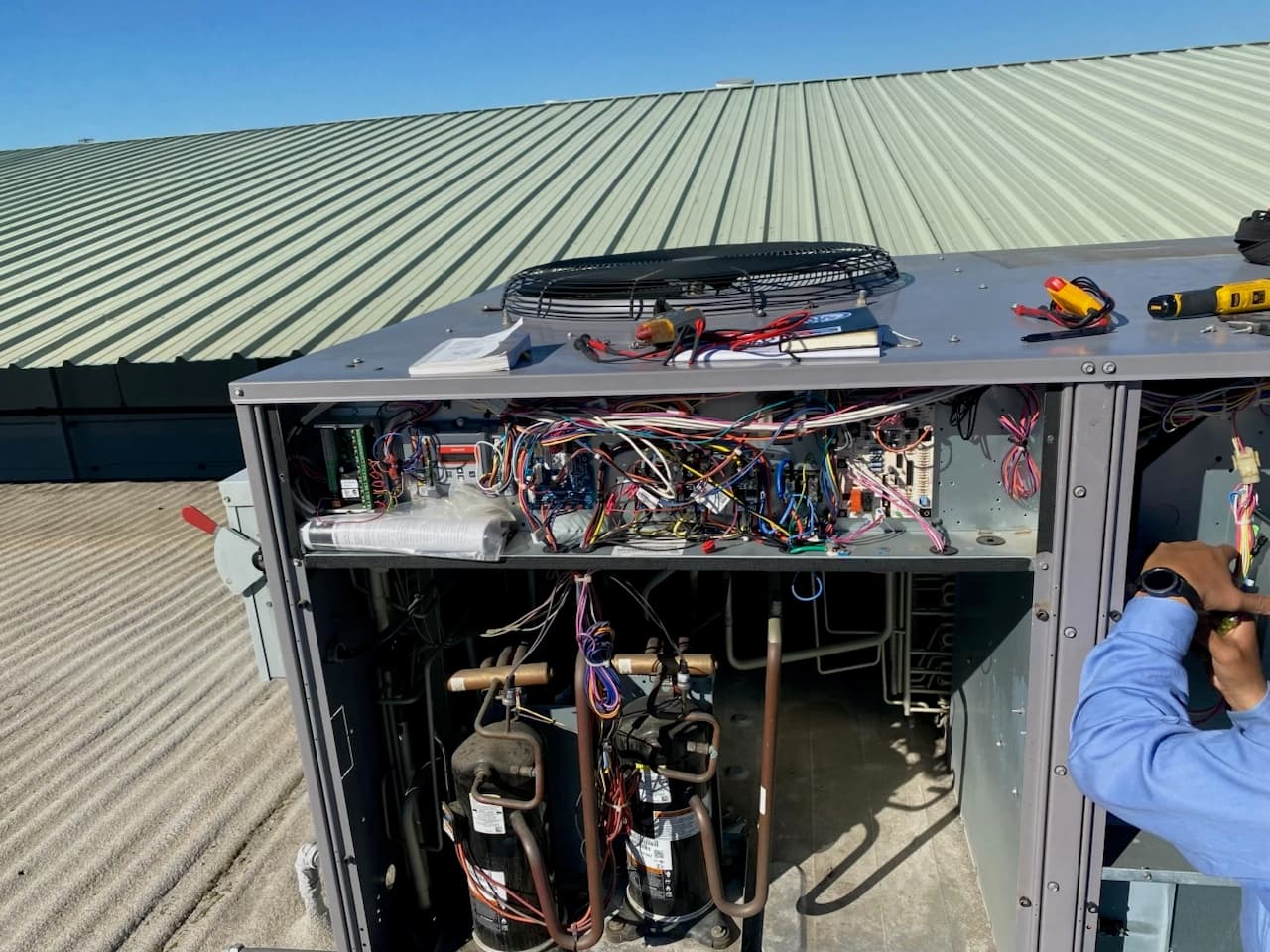
How building controls & automation work plays out in Huntington Beach
Hotels are where building automation matters most in Huntington Beach. The coastal properties run guest room controls, common area HVAC, kitchen and banquet systems, pool equipment, and central plant through a building management system that was typically installed when the hotel opened or last renovated, and that has drifted since. Schedules set for one season persist into another, outside air sensors on a salty roof corrode and read wrong, and economizers that are supposed to use the cool marine air for free cooling have failed in a position nobody has checked. Verifying that the system does what the graphics claim is the first step to getting energy and comfort back.
Office and medical buildings along Beach Boulevard, the retail centers near Bella Terra, and the high school district campuses run simpler systems, usually packaged rooftop units with programmable thermostats or light controllers. The common fault there is a schedule that no longer matches the tenant's hours and an economizer that has been failed for years. The marine climate makes economizers more valuable here than inland, because the outside air is cool enough for free cooling most of the year, so a failed economizer costs more in Huntington Beach than it would in Anaheim.
Our controls work covers sensor calibration, actuator and damper verification, schedule and setpoint review against actual occupancy, economizer testing under real conditions, and documentation of every point checked. Title 24 fault detection and economizer requirements apply to replaced units. Results go into the DaVinci Portal so an engineer or an energy consultant has the record.
Huntington Beach's climate and what it does to this equipment
Huntington Beach is directly coastal. Marine layer, salt, and humidity corrode coils, cabinets, and electrical connections faster than anywhere inland.
For the equipment background behind this page, read our building controls and energy guide or the full Building Controls & Automation service page.
- Downtown and Pier areaRestaurants, bars, and hotels directly exposed to salt air.
- Beach Boulevard corridorRetail, medical, and office properties.
- Huntington Center and Gothard industrial areasAerospace-adjacent and light-industrial users with large RTUs.
- Bolsa Chica and Edinger business areasOffices and retail near the coast.
- Schedule, setpoint, and sequence review across rooftop and central equipment
- Sensor calibration and economizer verification
- Alarm and trend setup so problems surface early
- Programmable and networked thermostat installation
What a building controls & automation visit includes, and the problems we most often find
- Inventory controllers, thermostats, and any building automation system
- Compare schedules and setpoints to how the building is actually used
- Verify sensors, actuators, and economizer logic against measured conditions
- Correct overrides, sequences, and alarms; document the changes
- Review trends after adjustment to confirm savings and stability
- Schedules left at default so equipment runs when nobody is there
- Equipment overridden manually and never returned to automatic
- Drifting or miswired sensors producing comfort complaints
- Economizers that never actually modulate