Commercial Water Heaters in Aliso Viejo, CA
Newer Aliso Viejo buildings often feature high-efficiency condensing or tankless water heaters, which deliver savings only if they are maintained correctly. Scale on a heat exchanger, a clogged condensate drain, or a neglected neutralizer can erode efficiency or trigger lockouts. We descale on a schedule matched to water conditions, check flue and combustion readings, verify condensate handling, and inspect recirculation controls. For tenants at the university-adjacent and medical buildings, we confirm temperature stability at fixtures. Service records are attached to each heater, which simplifies warranty claims and eventual replacement planning.
Modern business parks and mixed-use retail/office development.
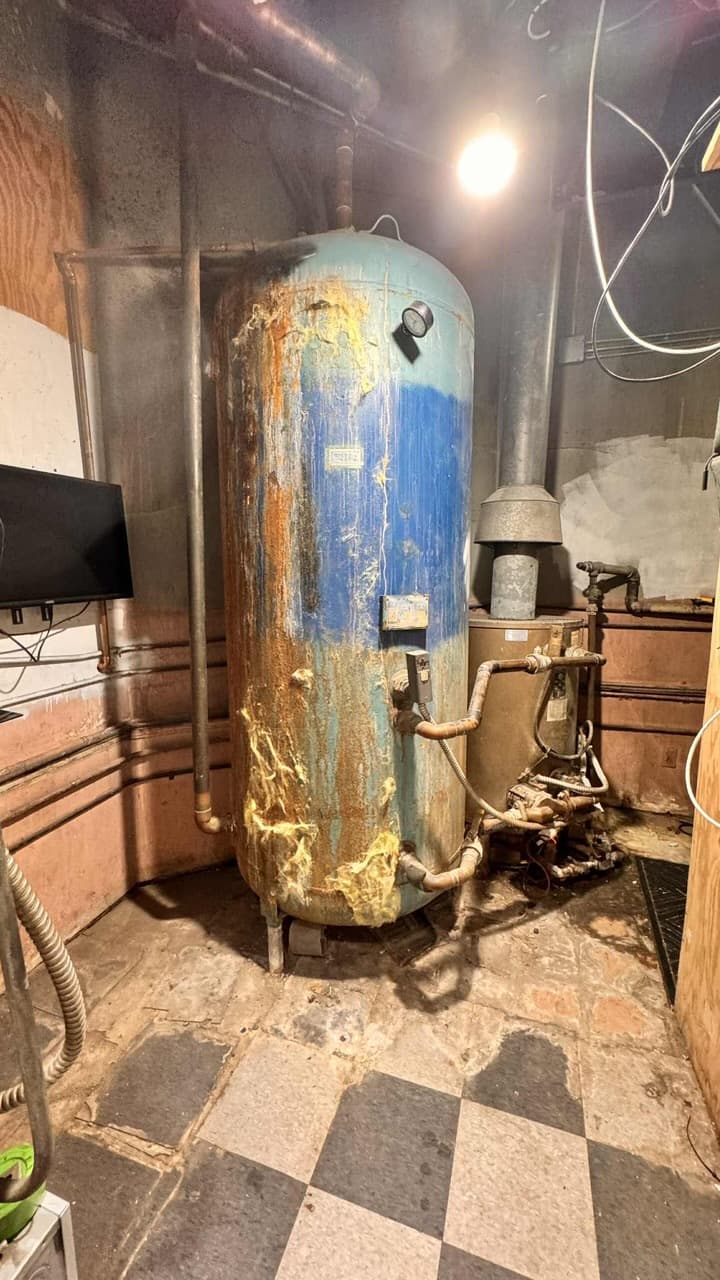
How commercial water heaters work plays out in Aliso Viejo
Hot water loads in Aliso Viejo concentrate in a few buildings and spread thinly across the rest. The hotel and the sports club near the Town Center carry the heaviest demand, with guest rooms, locker-room showers, pools and food service drawing on commercial tank banks or boiler-fed storage. Town Center restaurants need dish machine recovery. The university campus has dining and residential loads. Everything else, the office campuses and medical suites along Enterprise and Pacific Park Drive, needs modest, reliable hot water for restrooms, break rooms and clinical sinks, usually from smaller commercial tanks or point-of-use units in each building's mechanical room.
The age of the stock means a specific thing for water heaters: the original units installed around 2000 to 2008 are at or past their life, and many were early-generation tankless or high-efficiency condensing units whose service needs were never explained to the owner. Scale from moderately hard water is the main enemy, along with condensate drains that were never neutralized and venting that has deteriorated. Because these buildings have proper mechanical rooms, the replacement work is usually straightforward; the design questions are recovery sizing, whether to move from tank to tankless or hybrid, and whether electrification incentives or local reach codes affect the choice. Confirm current requirements with the city.
We size on measured demand, install isolation valves and flush ports so descaling is quick, set a flush and anode schedule in the asset record, and document venting and relief valve condition at every visit. The commercial water heaters and boilers guide compares the options for different load profiles, and the hotels and convention sector page covers the hospitality-scale questions.
Aliso Viejo's climate and what it does to this equipment
Aliso Viejo has moderate temperatures with some coastal influence; cooling load is significant on summer afternoons but corrosion pressure is lower than at the beach.
For the equipment background behind this page, read our water heaters and boilers guide or the full Commercial Water Heaters service page.
- Aliso Viejo Town CenterMixed-use retail, restaurants, and offices.
- Business parks along Aliso Creek and EnterpriseCorporate and technology tenants.
- Medical and life-science buildingsTemperature-sensitive spaces and storage.
- University and school facilitiesEducational buildings with scheduled maintenance windows.
- Combustion/ignition or element checks with descaling
- Venting, gas/electrical, condensate, and expansion tank review
- Temperature set-points confirmed for safety and code
- DaVinci Portal: full service history and proof-of-work on file
What a commercial water heaters visit includes, and the problems we most often find
- Check current output against actual peak demand, not just spec-sheet capacity
- Inspect combustion/ignition or heating elements and descale as needed
- Confirm venting, gas/electrical, and condensate are code-correct
- Set and verify temperature set-points for safety and code compliance
- Document the visit — proof-of-work you can show for inspection
- Undersized units that were never sized to actual peak demand
- Scale buildup reducing efficiency and shortening element/heat-exchanger life
- Venting or gas line sizing that doesn't match the installed unit
- Aging tanks nearing end of service life with no replacement plan in place