Boiler & Hydronic Service in Yorba Linda, CA
Winter in Yorba Linda is short and mostly mild, with chilly mornings near the foothills, so boilers there are used briefly and intermittently. That pattern lets scale, stale water, and stuck valves build unnoticed. We inspect and fire them in the fall, test controls and safeties, and make sure the occasional cold stretch does not catch a civic or medical building without heat. We also check outdoor reset and pump operation, since mild-winter systems tend to be forgotten until the one cold week when everyone calls at once.
Retail centers and municipal buildings along the Imperial Highway corridor.
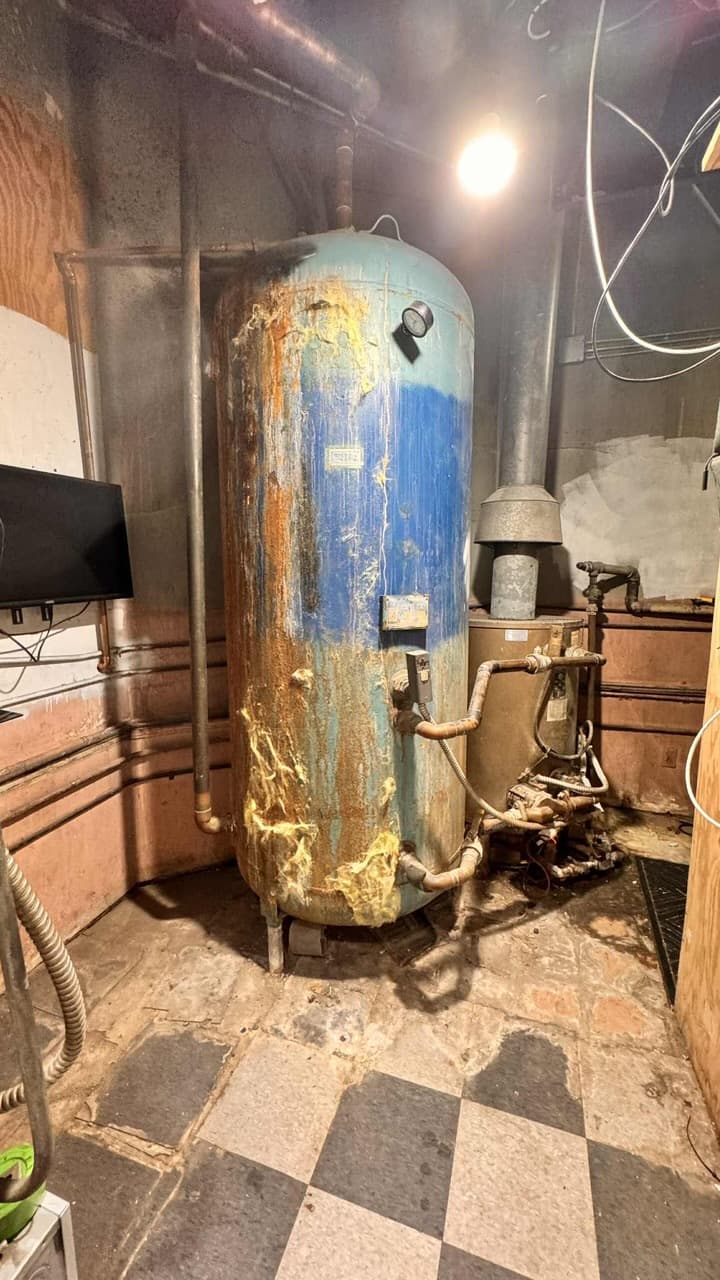
How boiler & hydronic service work plays out in Yorba Linda
A boiler in Yorba Linda works perhaps a dozen weeks a year, and that intermittent life is what makes it unreliable. Winter mornings in the canyon and the hills can be genuinely cold, with frost in low spots and daytime highs that stay cool when a storm sits over the basin, but the season is short and the rest of the year the system is idle. Civic buildings, school facilities, larger medical offices, and club and institutional properties are where hydronic heating still exists in this city, and in each case the people inside notice immediately when it does not come on.
Idle systems fail in predictable ways. Low-water cutoffs stick, pump seals dry and leak on restart, air collects in high points, expansion tanks lose their charge, igniters and flame sensors foul, and outdoor-reset sensors mounted in sun-exposed locations read wrong when the building finally needs heat. A fall start-up visit in October exercises each of these before the first cold morning: fire the boiler, test every safety device and record the result, bleed and balance the loops, verify pump operation, and confirm the reset curve makes sense for the building's hours.
Because so many of the buildings with boilers here are public or institutional, the record itself has value. School districts and city departments are routinely asked for proof of annual safety testing, and the signed test record from each device goes into the owner's portal file. For replacement planning, South Coast AQMD NOx limits apply to commercial boilers in this area and should be confirmed at purchase. The public works industry page describes how we structure prevailing-wage work for these owners.
Yorba Linda's climate and what it does to this equipment
Yorba Linda is inland and hilly, with the county's hottest summer afternoons, low humidity, and exposure to wildfire smoke and Santa Ana winds.
For the equipment background behind this page, read our water heaters and boilers guide or the full Boilers & Hydronic Heating service page.
- Imperial Highway corridorRetail centers and offices.
- Savi RanchBig-box retail, restaurants, and business park space.
- Old Town Yorba LindaSmall commercial buildings and restaurants.
- Municipal and community facilitiesCity buildings with public-works requirements.
- Combustion analysis and tuning with logged results
- Low-water cutoff, relief valve, and flame-safeguard testing
- Condensing and non-condensing boiler service
- Hydronic loop, pump, valve, and expansion-tank diagnostics
What a boiler & hydronic service visit includes, and the problems we most often find
- Review boiler type, age, fuel, and the loads it serves
- Inspect burners, heat exchanger surfaces, venting, and combustion air
- Run combustion analysis and adjust to manufacturer specifications
- Test safeties and controls; check loop pressure, flow, and water quality
- Document results and recommend repairs or replacement timing
- Poor combustion tuning wasting fuel and fouling heat exchangers
- Condensing boilers running with return temperatures too high to condense
- Air in the loop or failing pumps causing cold zones
- Untested safeties on older boilers with no maintenance records