Building Controls & Automation in Camarillo, CA
Controls make a difference in Camarillo's technical and outlet buildings because loads change sharply from foggy mornings to hot afternoons. We verify schedules, setpoints, economizer behavior and sensor accuracy, and check that dampers and actuators have not stuck from dust. In technical buildings, alarm setpoints and logging for temperature-sensitive rooms are confirmed. For multi-tenant parks, we help owners document what each tenant's settings are.
A 101-corridor city with airport-area industrial, aerospace and biotech users, Camarillo Premium Outlets, business parks, and farmland pressing against nearly every edge of the commercial map.
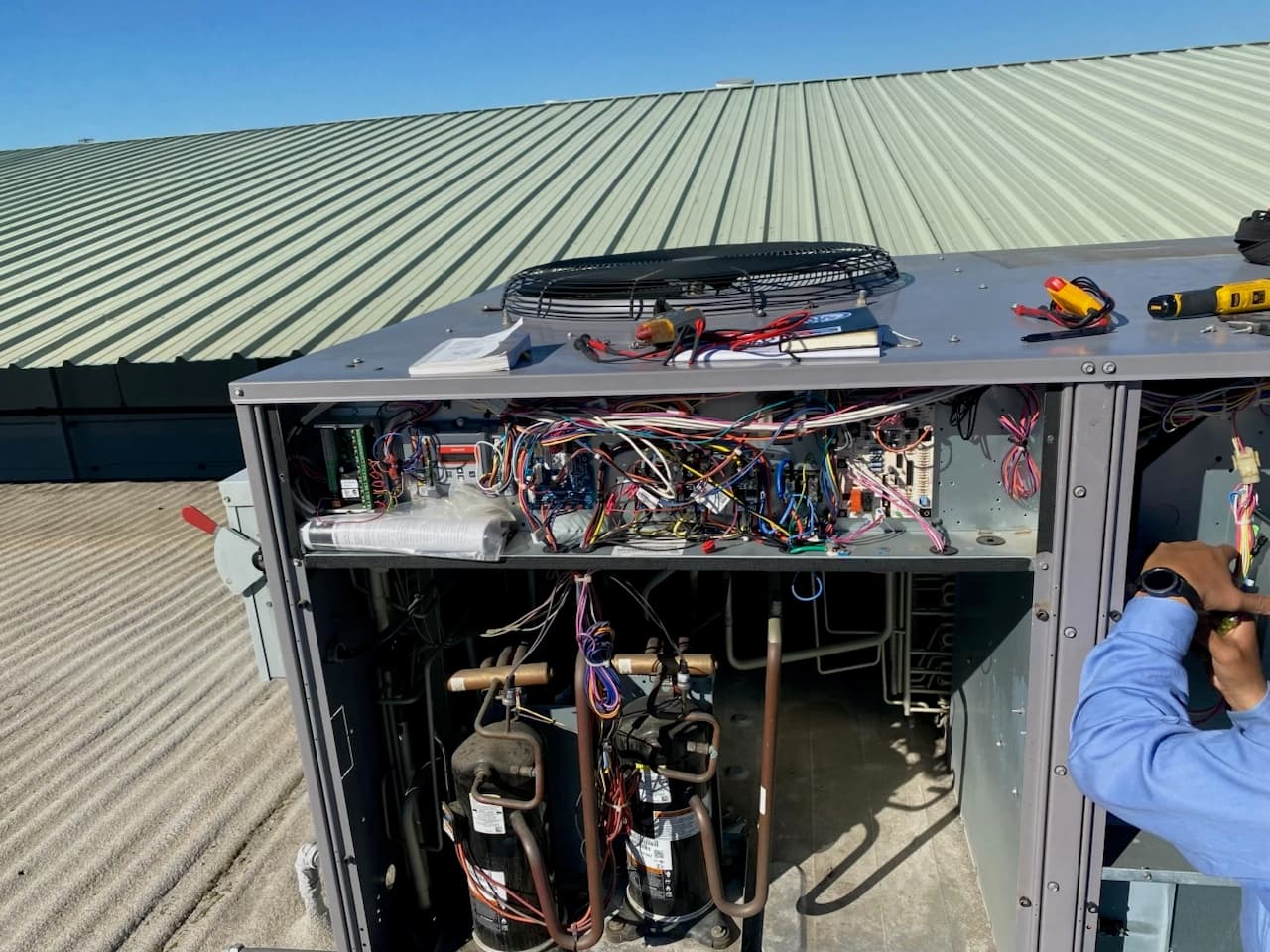
How building controls & automation work plays out in Camarillo
A Camarillo building that wakes up under fog and spends the afternoon in warm, dusty sun asks more of its controls than a building with a steady climate. Economizers can carry a Mission Oaks office on outside air until late morning, then need to close as the temperature climbs and the dust rises. Humidity sensors in the technical buildings near the airport have to tell the difference between a damp morning and a real excursion. Thermostats in outlet stores need schedules that match long retail hours and seasonal variation. When the controls do not keep up with the day, the equipment compensates by running longer, and that is how a mild-climate building ends up with coastal-level fouling and inland-level run hours.
In the aerospace, electronics and biotech buildings around the Camarillo Airport, the building automation system is a record keeper. Environmental test rooms, cleanrooms and controlled storage depend on sensor accuracy, alarm thresholds and trend logs that quality teams and customers review. We calibrate sensors against reference instruments, verify alarm paths, test pressurization and economizer sequences, and record before and after values for every change. On multi-tenant parks along Las Posas Road and Pleasant Valley Road, the work is simpler but no less useful: finding the schedules that still run for a tenant who left, the overrides nobody cleared, and the economizer dampers stuck shut by dust.
Smoke is a lesser risk here than in the Conejo Valley, but Santa Ana events still bring particulates, and an outdoor air lockout sequence is worth having on the technical buildings. The outcome of a good controls visit is a documented sequence of operations, verified sensors and a Portal record of every setting. The controls service page explains the scope.
Camarillo's climate and what it does to this equipment
Camarillo sits in a transition zone between the cool coast and the hotter valleys to the east. Mornings often start under marine fog and low cloud, then burn off to warm, dry afternoons that run hotter than Oxnard or Ventura. Long summer cooling seasons are the norm, while winter heating is light. Dust from surrounding fields settles on coils and filters, especially in windy periods, and Santa Ana winds can bring heat and fine particulates in the fall. The result is equipment that sees both humidity swings and heavy fouling, with condensers working hard on warm afternoons.
For the equipment background behind this page, read our building controls and energy guide or the full Building Controls & Automation service page.
- Camarillo Airport area and Aviation Drive industrialAerospace, electronics, biotech and flex-industrial buildings with process cooling and clean-air requirements.
- Camarillo Premium Outlets and the 101 retail corridorLarge-format outlet retail, food service and hotels with long run hours and numerous rooftop units.
- Pleasant Valley Road and Las Posas Road business parksOffice, flex and light manufacturing space with professionally managed rooftop equipment.
- Camarillo Town Center and Ventura Boulevard areaRestaurants, grocery and neighborhood commercial buildings with kitchen loads and refrigeration.
- Schedule, setpoint, and sequence review across rooftop and central equipment
- Sensor calibration and economizer verification
- Alarm and trend setup so problems surface early
- Programmable and networked thermostat installation
What a building controls & automation visit includes, and the problems we most often find
- Inventory controllers, thermostats, and any building automation system
- Compare schedules and setpoints to how the building is actually used
- Verify sensors, actuators, and economizer logic against measured conditions
- Correct overrides, sequences, and alarms; document the changes
- Review trends after adjustment to confirm savings and stability
- Schedules left at default so equipment runs when nobody is there
- Equipment overridden manually and never returned to automatic
- Drifting or miswired sensors producing comfort complaints
- Economizers that never actually modulate