Commercial Water Heaters in Camarillo, CA
Hot water needs in Camarillo include hotel guest rooms and laundry, outlet food service, food-processing washdown and laboratory sinks. Hard supply water can scale heat exchangers and tank bottoms, and large recirculation loops in lodging properties can hide failing pumps and check valves. We service tank and tankless equipment, evaluate recirculation, flush and inspect, and size replacements for real peak demand, not just the age of the existing heater.
A 101-corridor city with airport-area industrial, aerospace and biotech users, Camarillo Premium Outlets, business parks, and farmland pressing against nearly every edge of the commercial map.
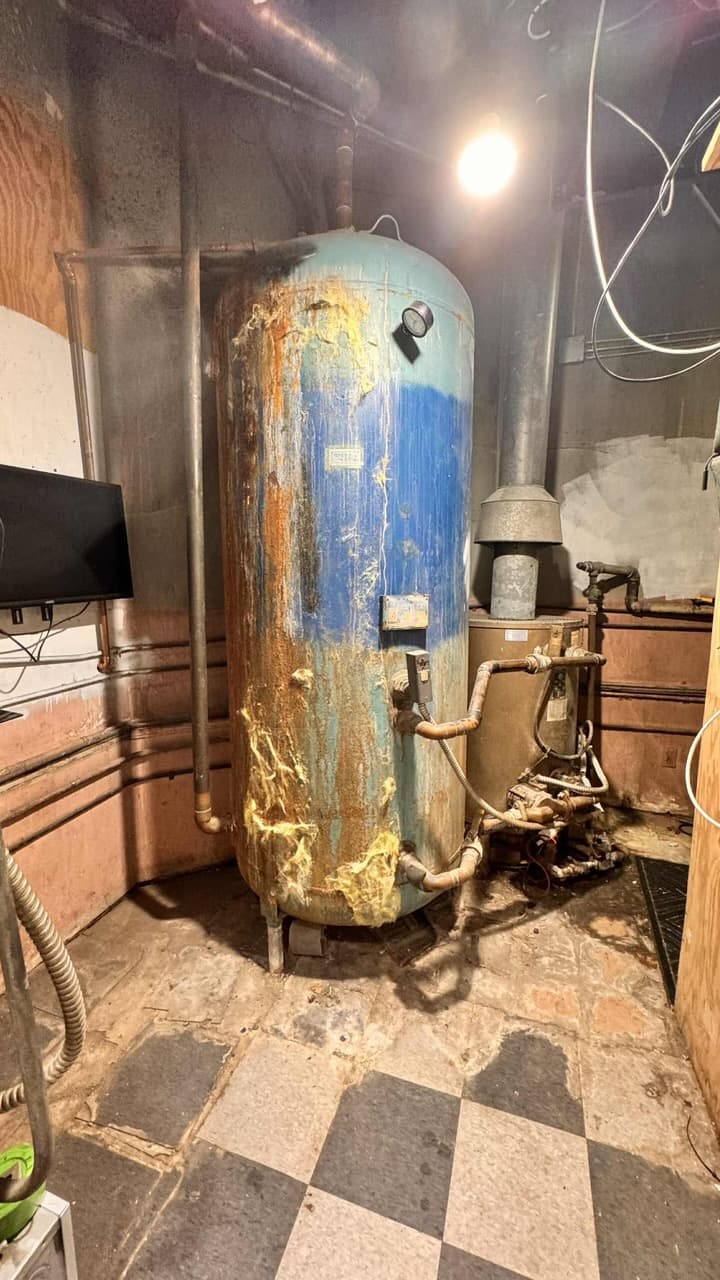
How commercial water heaters work plays out in Camarillo
A hotel housekeeping supervisor near the Camarillo Premium Outlets calls because guests on the third floor are complaining about lukewarm showers at 7 a.m., and the front desk has been running the laundry early to get ahead of checkout. That is a recirculation and recovery problem more than a heater problem, and it is the shape of most hot water work in the city. The hotels along the 101, the restaurants and food court tenants at the outlets and in the Town Center, the senior living communities, the clinics near St. John's Pleasant Valley Hospital and the washdown-heavy food and beverage producers in the airport industrial area all draw hot water in bursts that the original design may not have anticipated.
Camarillo's supply water is hard, and that drives the service list: flush tanks, descale tankless heat exchangers, inspect anodes and dip tubes, confirm relief valves, and check that any softening or scale-inhibition equipment is actually working rather than just installed. Recirculation loops get their pumps, check valves and balancing valves tested, since a failed check valve lets hot water short-circuit and leaves the far end of a hotel wing cold. Venting on buildings that have been retenanted is checked for correct termination and combustion air, because a dining room added to what was once a retail shell often inherited an undersized heater and an improvised vent.
Replacements are sized from measured draw, not the old heater's tag, and for washdown sites we size recovery to the sanitation schedule. Packing and processing operations with sanitation cycles may fit a tank-and-recirculation design better than tankless; a hotel may do better with a staged tankless bank. The water heaters and boilers guide walks through those choices.
Camarillo's climate and what it does to this equipment
Camarillo sits in a transition zone between the cool coast and the hotter valleys to the east. Mornings often start under marine fog and low cloud, then burn off to warm, dry afternoons that run hotter than Oxnard or Ventura. Long summer cooling seasons are the norm, while winter heating is light. Dust from surrounding fields settles on coils and filters, especially in windy periods, and Santa Ana winds can bring heat and fine particulates in the fall. The result is equipment that sees both humidity swings and heavy fouling, with condensers working hard on warm afternoons.
For the equipment background behind this page, read our water heaters and boilers guide or the full Commercial Water Heaters service page.
- Camarillo Airport area and Aviation Drive industrialAerospace, electronics, biotech and flex-industrial buildings with process cooling and clean-air requirements.
- Camarillo Premium Outlets and the 101 retail corridorLarge-format outlet retail, food service and hotels with long run hours and numerous rooftop units.
- Pleasant Valley Road and Las Posas Road business parksOffice, flex and light manufacturing space with professionally managed rooftop equipment.
- Camarillo Town Center and Ventura Boulevard areaRestaurants, grocery and neighborhood commercial buildings with kitchen loads and refrigeration.
- Combustion/ignition or element checks with descaling
- Venting, gas/electrical, condensate, and expansion tank review
- Temperature set-points confirmed for safety and code
- DaVinci Portal: full service history and proof-of-work on file
What a commercial water heaters visit includes, and the problems we most often find
- Check current output against actual peak demand, not just spec-sheet capacity
- Inspect combustion/ignition or heating elements and descale as needed
- Confirm venting, gas/electrical, and condensate are code-correct
- Set and verify temperature set-points for safety and code compliance
- Document the visit — proof-of-work you can show for inspection
- Undersized units that were never sized to actual peak demand
- Scale buildup reducing efficiency and shortening element/heat-exchanger life
- Venting or gas line sizing that doesn't match the installed unit
- Aging tanks nearing end of service life with no replacement plan in place