Commercial Refrigeration in Camarillo, CA
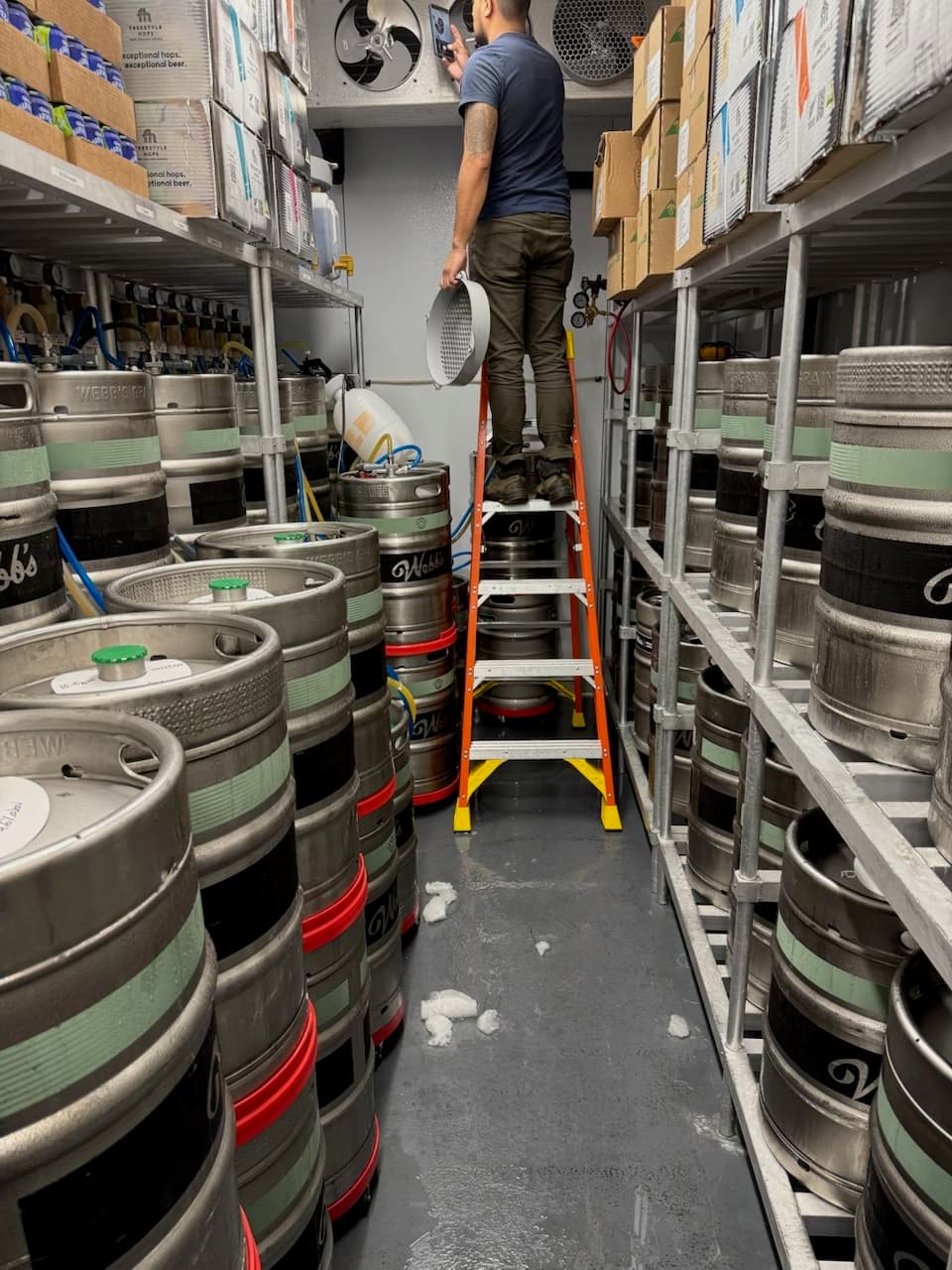
Cold chain is a defining theme in Camarillo. Between nearby growers, food processors, restaurants and the outlet center's food service, walk-in coolers and freezers carry a lot of perishable product. Dust and warm afternoons are hard on condensers, and busy loading doors drive frost on evaporators. We service walk-ins, reach-ins and display cases, check defrost, gasket, charge and condenser cleanliness, and record temperature performance so trends are visible before product is at risk.
A 101-corridor city with airport-area industrial, aerospace and biotech users, Camarillo Premium Outlets, business parks, and farmland pressing against nearly every edge of the commercial map.
How commercial refrigeration work plays out in Camarillo
Few cities this size carry as much perishable product as Camarillo. Within a few miles of downtown are strawberry and vegetable fields, the cooling and packing operations that serve them, food and beverage producers in the airport industrial area, grocery anchors in the Town Center and Las Posas Road centers, restaurants along Ventura Boulevard, and the food service tenants at the Camarillo Premium Outlets. Walk-in coolers and freezers, blast and holding rooms, reach-ins, and display cases are everywhere, and many of them run against the same two enemies: dust on the condenser and heat in the afternoon.
A typical cooler job here starts with a box that is holding temperature overnight and losing it by late afternoon. Half the time the condensing unit sits in a yard or on a roof where afternoon sun and a dust-coated coil push head pressure up until capacity falls off. The other half it is the box itself: heavy door traffic on a loading side that opens toward the fields, a gasket that has given up, or a defrost schedule set for a different load pattern. We check evaporator frost patterns, defrost termination, door hardware, charge and condenser condition together, because fixing one while ignoring the others sets up the next call.
Cold-chain operators in Camarillo increasingly need temperature history for customers and auditors, so every box we service gets a Portal record with readings and photos. For packing and processing sites, the food manufacturing and cold storage sector page covers the larger systems; the walk-in cooler and freezer guide covers the equipment basics that apply to a restaurant and a packer alike.
Camarillo's climate and what it does to this equipment
Camarillo sits in a transition zone between the cool coast and the hotter valleys to the east. Mornings often start under marine fog and low cloud, then burn off to warm, dry afternoons that run hotter than Oxnard or Ventura. Long summer cooling seasons are the norm, while winter heating is light. Dust from surrounding fields settles on coils and filters, especially in windy periods, and Santa Ana winds can bring heat and fine particulates in the fall. The result is equipment that sees both humidity swings and heavy fouling, with condensers working hard on warm afternoons.
For the equipment background behind this page, read our walk-in cooler and freezer guide or the full Refrigeration: Walk-In & Reach-In Coolers/Freezers service page.
- Camarillo Airport area and Aviation Drive industrialAerospace, electronics, biotech and flex-industrial buildings with process cooling and clean-air requirements.
- Camarillo Premium Outlets and the 101 retail corridorLarge-format outlet retail, food service and hotels with long run hours and numerous rooftop units.
- Pleasant Valley Road and Las Posas Road business parksOffice, flex and light manufacturing space with professionally managed rooftop equipment.
- Camarillo Town Center and Ventura Boulevard areaRestaurants, grocery and neighborhood commercial buildings with kitchen loads and refrigeration.
- Evaporator/condenser coil cleaning and defrost checks
- TXV/EEV, superheat, subcool, and pressure readings logged
- Door seals, drains, heaters, and fan packages inspected
- DaVinci Portal: temps and pressures logged by asset over time
What a commercial refrigeration visit includes, and the problems we most often find
- Check current box temperature against setpoint and recent trend
- Inspect door seals, drains, and evaporator/condenser coils for buildup
- Take superheat, subcool, and pressure readings against manufacturer spec
- Address the root cause — not just a temporary recharge
- Log readings to the asset so drift is caught early next visit
- Door seals and hinges that no longer hold a tight close
- Evaporator coils iced over from a defrost cycle issue
- Condenser coils caked with grease or debris, especially near kitchen exhaust
- Slow refrigerant leaks that show up as gradual temperature drift, not sudden failure